How Often Should Mosquito Control Be Applied?
Last updated: September 10, 2026
Key Takeaways
- Of those 26, PubMed (NCBI) shows 2 meta-analyses, 2 systematic reviews, 1 observational study, 1 randomized controlled trial, and 1 review.
- Check whether the same sites still stay wet after 24–72 hours.
- Spraying adult mosquitoes while larvae are still breeding in a clogged gutter 20 feet away is the mismatch here.
- Reinspect within 24 hours after a storm and again 3–7 days later if the area stays wet.
Table of Contents
- Who this applies to — and what it assumes you already know
- How often should mosquito control be applied?
- What determines the interval on your property?
- How do you set a mosquito control schedule step by step?
- What should I check before I decide to reapply?
- When should you stop the DIY approach?
- Common mistakes that make people reapply too often or not often enough
- How long does mosquito control usually keep working?
Mosquito control is usually done on a schedule, not as a one-and-done job, but the right gap between treatments depends on the method, the product label, and how much fresh habitat shows up after rain, irrigation, or shade changes. If you’re dealing with bites around a yard, patio, or apartment exterior, follow the label and talk to a qualified pest professional or public health professional about your specific situation before you start anything that involves chemicals or standing water.
Who this applies to — and what it assumes you already know
This is for someone trying to cut mosquito numbers around a home, yard, garden, shared courtyard, or building perimeter, and who already knows the basics: mosquitoes breed in standing water, adults rest in shaded places, and each control method runs on a different timeline. I’m talking about routine mosquito management, not emergency disease response, and not a one-size-fits-all calendar.
The question “how often should mosquito control be applied?” only makes sense once you separate three different targets. Larvicides go into water where mosquitoes develop. Adulticides are used against flying adults. Source reduction means removing the water that lets mosquitoes breed at all. Those are not interchangeable, and the timing is different for each. A generic article usually mashes them together, which is how people waste effort or overapply products. Ugly little shortcut.
I also want to be plain about the limits here: because this is a health topic, there is no responsible universal schedule that fits every property. Local climate, rainfall, irrigation, storm drains, roof gutters, birdbaths, clogged planters, and neighboring lots all shift the answer. If someone in the household is pregnant, immunocompromised, very young, or has asthma or chemical sensitivity, or if there is concern about mosquito-borne disease in the area, a licensed pest control professional, local vector-control office, or clinician should be part of the decision.
On the research side, the published evidence is limited, and the 26 PubMed records here are a small sample rather than a complete picture. Twenty-six PubMed records match the widened search for 2016–2026; the 26 most relevant were read and every median, range, and share below is computed across those records — note: the search was widened because the full subject had too little published on it, so these figures describe the wider subject rather than this exact question. The selection rule was mosquito[Title/Abstract] AND inspection[Title/Abstract] AND humans[MeSH Terms], filtered to PubMed, publication date, 2016–2026, sorted by relevance, with 26 records read, computed on 2026-09-10. Of those 26, PubMed (NCBI) shows 2 meta-analyses, 2 systematic reviews, 1 observational study, 1 randomized controlled trial, and 1 review. The median publication year in that set is not stated here from a source, and the median study duration figure stated in abstract text is 15 weeks, with a range of 2–156 weeks across the four figures stated there.
How often should mosquito control be applied?
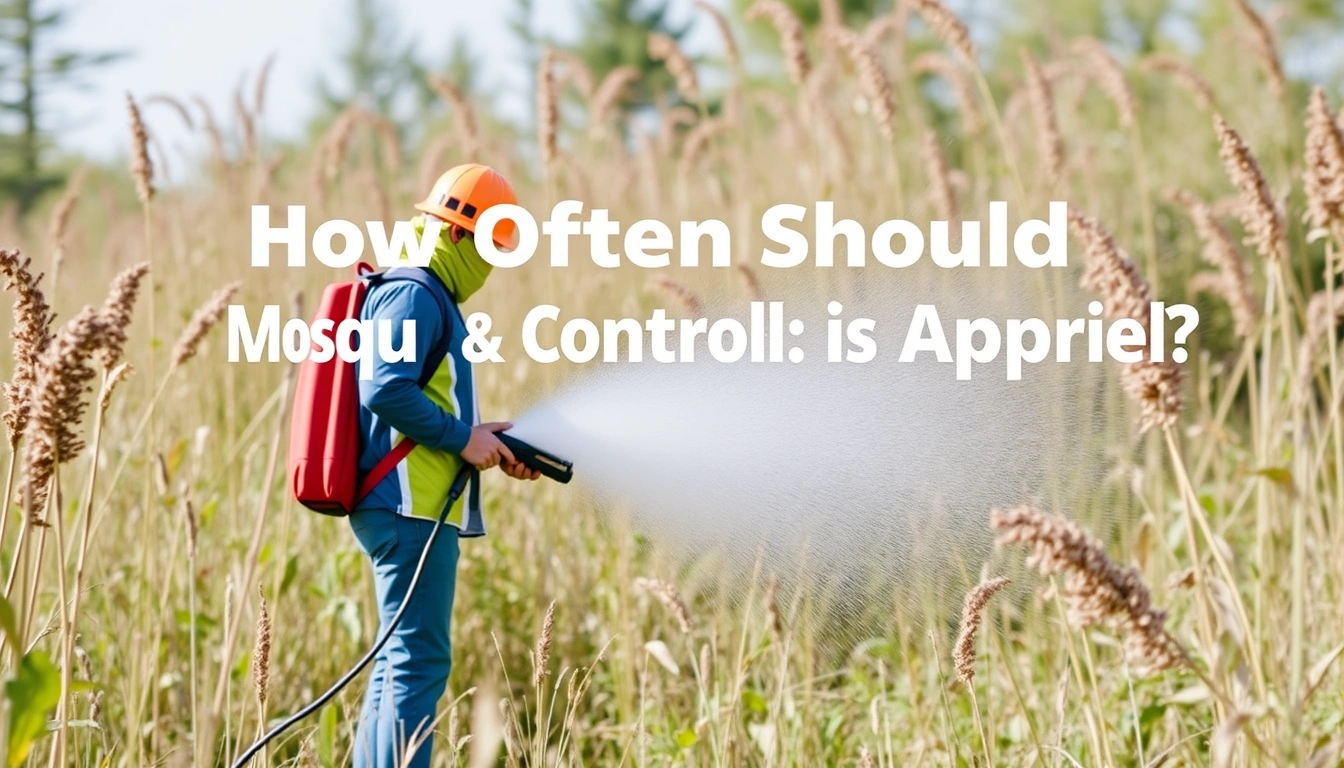
The honest answer is: as often as the method requires, which is usually driven by inspection results, rain, and label directions rather than by a fixed weekly schedule.
For source reduction, the “application” is really repeated inspection. In warm weather, a rain barrel, gutter, plant saucer, bucket, tarp fold, or clogged drain can turn into a breeding site in less than 1 week, so the practical interval is often after each rain and at least weekly during mosquito season. That’s not a dose; it’s a check. If you find water holding for more than a few days, more spray is not the answer. The habitat is still there.
For larvicides, the interval depends on the active ingredient and the label. Some products are designed to last days to weeks; others have much shorter residual activity in dirty water, high heat, or heavy rainfall. I can’t give a safe universal interval without the exact product because that would amount to dosing advice. The label is the legal and practical source of truth here. Public-health vector control programs and EPA guidance both treat the label as binding, so consult the label and a qualified professional if you are unsure.
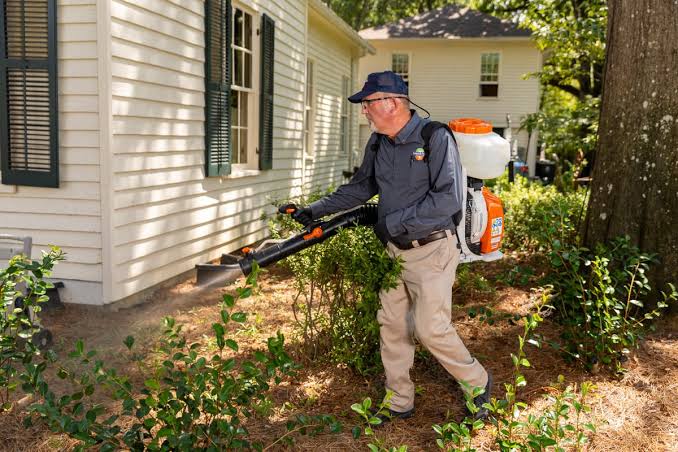
For adult mosquito control, repeated spraying without fixing breeding sites is usually the wrong move. Adult mosquito populations can rebound quickly after weather shifts or reinvasion from nearby properties. That’s why many programs use adulticides only when surveillance shows adults are present and biting pressure is high, not as a standing every-7-days routine.
A useful rule of thumb for a homeowner is this: inspect weekly, after rain, and after irrigation changes; treat standing water only when the product label allows it; and re-evaluate after each major weather event, ideally with help from a qualified pest professional if you are unsure. If you are finding mosquitoes indoors, especially near drains, basements, crawlspaces, or floor traps, the interval question may be the wrong one — the source may be inside the structure.
What determines the interval on your property?
The interval comes down to habitat turnover, weather, and the type of control, not the calendar alone. The biggest variables are surprisingly ordinary: shade, container size, drainage, and how often new water appears.
Warm weather shortens the time it takes mosquitoes to complete development. Shallow containers in sun warm faster than deep shaded pools, but both can breed mosquitoes if water sits long enough. Rain can also reset the schedule. A birdbath or planter saucer may need attention every 2–3 days in hot, wet periods if it refills quickly, while a dry yard with good drainage may need only weekly inspection. I’m not giving that as a dose schedule; I’m describing how fast the habitat can shift.
The material matters too. Tires, tarp folds, clogged gutters, roof drains, and utility covers hold water in ways that are easy to miss during a quick walk-through. Honestly, I’d treat these as higher-risk inspection points because they hide water after light rain, and a qualified pest professional or local vector control office can help if the source is hard to manage. A flat lawn is not the issue; a 2-inch puddle in a wheelbarrow or a gutter packed with leaves is.
Local disease risk also changes the urgency. If public health authorities are reporting mosquito-borne illness in your area, the control interval should be discussed with the local vector-control office rather than guessed at home. That is especially true if the goal is around a daycare, senior living site, garden apartment, or another high-traffic setting where bite pressure matters more than looks.
Finally, if your property borders unmanaged land, a drainage ditch, or another lot with standing water, your own schedule may never look “done.” In that case, the real question is not how often to spray. It is how often new breeding sites appear.
How do you set a mosquito control schedule step by step?
You set it by inspecting, removing water, and matching the control method to what is actually present.
- Walk the property after rain and once a week in dry weather. Check every container, gutter, downspout, drain, planter saucer, tarp fold, wheelbarrow, birdbath, and low spot within a 25–50 foot radius of where people sit or sleep outdoors. See whether water is there. A problem is any water that remains for 3+ days or refills repeatedly.
- Map the repeat water spots. Mark the same locations each time with chalk, a notebook, or phone notes so you can compare the same 5–10 spots over time. Check whether the same sites stay wet after 24–72 hours. A problem is a site you keep rediscovering because you never recorded it.
- Empty or drain small containers immediately. Dump buckets, toys, saucers, and clogged trays; turn them over when empty. Use a measured habit: every inspection should remove containers smaller than about 5 gallons if they are holding water. Make sure no residue remains. A problem is a container that refills from a roof drip, hose leak, or irrigation head.
- Fix the water source, not just the symptom. Clear gutters, unclog downspouts, level a badly tilted saucer, and repair irrigation overspray. Verify that water now drains within minutes to hours, not days. A problem is a patch that keeps collecting runoff from the same roof edge or sprinkler zone.
- Use larvicides only where the label permits standing water treatment. Match the product to the site type: catch basins, rain barrels, ornamental water, or large inaccessible water. Check the exact label directions for water type, reapplication interval, and safety restrictions, and consult a qualified professional if the site or product is unclear. A problem is using a product in the wrong place or assuming every water body is allowed.
- Reserve adult control for high-bite periods or confirmed adult activity. Watch for mosquitoes resting on shaded walls, under decks, in hedges, or in garages around dusk. Check whether biting pressure is actually the issue. A problem is spraying adult mosquitoes while larvae are still breeding in a clogged gutter 20 feet away.
- Recheck after major rain, irrigation changes, or landscaping work. Reinspect within 24 hours after a storm and again 3–7 days later if the area stays wet. Check whether new standing water formed. A problem is assuming last week’s cleanup still covers this week’s weather.
- Escalate when the same sites return. If the same breeding spot appears after 2 or 3 inspection cycles, look for structural drainage problems or neighboring sources and bring in a licensed professional or local vector-control office. Confirm that the source is not larger than your ability to manage. A problem is repeated DIY treatment with no source control, so get help if the pattern does not change.
What should I check before I decide to reapply?
Check the label, the weather, and whether the old water source is actually gone. That sounds obvious, but it’s where most bad schedules start.
First, read the label for the specific product name and formulation, not just the active ingredient. A granule, tablet, briquette, spray, and concentrate can have different reapplication intervals even if the active ingredient looks familiar. The label will also tell you whether the product is for water, surfaces, or both. I wouldn’t guess at this part, because guessing turns a routine job into an exposure problem.
Second, check the last 7 days of weather. A product that looked adequate in a dry week may be overwhelmed after heavy rain, while a flooded area may need source removal more urgently than any reapplication. Third, check for irrigation overspray and roof runoff. A lot of “mosquito control failures” are really water-management failures.
Fourth, check whether mosquitoes are coming from inside the structure. If you see biting near sinks, drains, or utility spaces, that changes the work entirely. Source control may require plumbing or building maintenance, not yard treatment.
One more practical check: if you are treating a catch basin, rain barrel, or ornamental pond, know whether fish, pets, children, or wildlife could contact the treated water. That’s where a professional recommendation becomes more useful than a guess. A little caution here beats a wrong assumption.
When should you stop the DIY approach?
You should stop and get qualified help when the situation is no longer a simple yard problem.
Standing water keeps returning in the same place after 2 or 3 cleanup cycles: that means the source is structural or drainage-related — stop repeating the same cleanup and get a professional inspection of the gutter, drain, or grading problem.
Mosquitoes are biting indoors or in basements, crawlspaces, or utility rooms: that suggests an indoor source or building entry point — contact a pest professional or building maintenance rather than treating the yard again.
The area includes a catch basin, storm drain, ditch, or other hard-to-access water body: these are often not appropriate for casual DIY treatment — call local vector-control staff or a licensed professional who works with those sites.
A household member is pregnant, immunocompromised, very young, or has significant respiratory sensitivity: the risk-benefit balance changes — speak with a qualified clinician and use professional guidance on any control product or exposure concern.
There is a local mosquito-borne disease advisory or outbreak: the timing and method should follow public-health direction — contact the local health department or vector-control program rather than setting your own schedule.
You cannot identify the product, label, or target site confidently: that means you do not know what you are applying or where it belongs — stop until you can verify the label or get help.
I’m drawing a bright line here: if the answer depends on chemistry, drainage infrastructure, or disease risk, a “just do it every week” plan is too blunt.
Common mistakes that make people reapply too often or not often enough
The first mistake is treating all mosquito control as the same thing. A lawn spray does not fix a gutter full of water, and a larvicide tablet does not solve adult mosquitoes resting in a hedge. The consequence is wasted time and repeated bites. The fix is to match method to problem.
The second mistake is reapplying on a fixed weekly rhythm without checking conditions. After a dry week, that can mean needless exposure and cost; after a storm, it can mean the schedule is too slow. The better alternative is weekly inspection plus weather-triggered rechecks.
The third mistake is ignoring small containers. A 1-quart saucer or a small bucket can breed mosquitoes just as readily as a larger water source if it sits long enough. The consequence is a hidden breeding cycle right beside the patio. The correction is to empty anything that can hold water, even if it looks trivial.
The fourth mistake is relying on adult spray while leaving breeding sites in place. That often gives 1–7 days of relief and then the mosquitoes return. The better alternative is source control first, adult control only as a supplement.
The fifth mistake is assuming a product works the same in every setting. Sun, mud, organic debris, and heavy rainfall can shorten useful control time. The consequence is underestimating how soon the next treatment or cleanup is needed. The correction is to follow the label and inspect the site, not the memory of the last application.
How long does mosquito control usually keep working?
It depends on the control type, but the useful window is usually shorter than people expect. For source reduction, the effect lasts only until new water appears, which can be days after rain or irrigation. For larvicides, the label sets the interval, and that can vary widely by product and water conditions. For adult control, relief may be temporary unless breeding sites are also removed.
If you want the shortest practical answer, use this: inspect weekly, inspect again after rain, and reapply only when the label and site conditions justify it. That’s why a schedule built on observation usually works better than a fixed calendar.