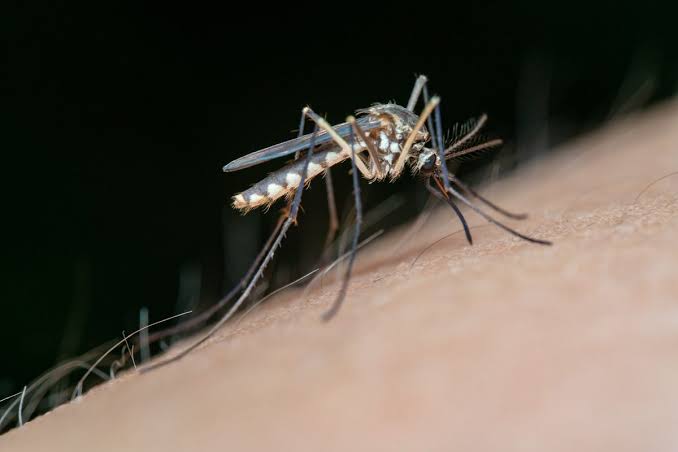
Questions to Ask Before Hiring a Mosquito Control Company
Last updated: September 10, 2026
Key Takeaways
- If a salesperson promises “100% mosquito-free,” that is usually a red flag.
- There should be a callback policy or reinspection window, often within 7 to 14 days after treatment, but consult a professional and review the company’s policy.
- If a company cannot answer in under 5 minutes per category, that tells you something.
- A good answer to these questions usually sounds like a process, not a pitch.
Hiring mosquito help for your home is not really a price hunt. The real test is simpler: can this company cut mosquito pressure without creating a fresh headache for your family, pets, pollinators, or yard?
I’m writing for homeowners, landlords, and property managers who already know mosquitoes are a nuisance and want to screen a company before signing a seasonal contract. Basics assumed. Mosquitoes breed in standing water, they bite at dawn and dusk, and a yard treatment is not the same thing as fixing the source, but consult a professional if your property has unusual conditions. If anyone in the household has asthma, pesticide sensitivity, immunocompromise, or if you have a pond, vegetable garden, chickens, or bees, the conversation needs more care, not less. For background on mosquito control and source reduction, see the CDC and EPA guidance. CDC mosquito control and EPA mosquito control.
What should a mosquito control company be able to explain clearly?

A solid company can walk you through how it finds breeding sites, what product category it uses, how often it treats, and what kind of change it expects in a 10–14 day window, but consult a professional for site-specific timing. Specific. Not slick. If they cannot explain the difference between source reduction, larviciding, and adulticiding, I would keep looking. For general pesticide label requirements, see the EPA. EPA pesticide labels.
Source reduction means removing standing water: clogged gutters, saucers under pots, tarp folds, tire ruts, downspout puddles, and anything that holds water for more than about 7 days. Larvicides target mosquito larvae in water before they become adults. Adulticides target flying mosquitoes after they emerge. Different tools. And a company that only sprays the air is leaving the breeding problem untouched.
Ask: “What do you inspect before you spray?” A competent answer should mention containers, drainage, shaded resting areas, vegetation density, and hidden water such as French drains or low spots after rain. Ask: “Do you use a barrier treatment, fogging, misting, larvicide, or a combination?” Barrier treatment usually means applying a residual product to foliage and shaded surfaces where adult mosquitoes rest. Fogging is a short-lived knockdown and often disappoints people who expect a yard to stay quiet for weeks; consult a professional about which option fits your property. NPIC mosquito control
You should also ask what the company considers a realistic result. Mosquito control is usually reduction, not elimination. If a salesperson promises “100% mosquito-free,” that is a red flag. Wind, rain, neighboring lots, and dense planting all shape the outcome. A clear company will say something like: “We expect fewer bites and less daytime activity, but heavy rain or unmanaged standing water can shorten the effect.”
This section matters most for people with larger properties, poor drainage, wooded edges, or neighbors who leave water containers out. For someone who just wants a one-time spray before a wedding weekend, it is a different animal entirely. Different service, different expectations.
Which questions tell you whether their treatment plan is sound?
Start with this: “What will you do in the first visit, and what do you need from me?” A good answer should include a site inspection, a written plan, and a list of actions for the homeowner. If the company cannot tell you what they need from you, they probably treat every yard the same. For what a site inspection can include, see your state pesticide regulator or local extension office.
Here is the order I would use when interviewing a mosquito control company:
- Ask how they inspect the property. They should walk the yard or review good photos, check for standing water, and note shade, windbreaks, and dense shrubs. Verify they mention gutters, drain pans, birdbaths, and low spots after rain. If they skip inspection or rely only on a zip code, that is a problem.
- Ask which mosquito life stages they target. They should explain larvae, pupae, and adults in plain language. Verify they can say whether they use larvicides in water and residual treatment on resting sites. If they only describe “killing bugs on contact,” the plan is too narrow.
- Ask what product category they use and where. They should identify whether the active ingredient is a pyrethroid, an insect growth regulator, or a biological larvicide such as Bacillus thuringiensis israelensis (Bti, a bacterium used against mosquito larvae). Verify they can explain where each is applied. If they won’t name the category, I would ask why.
- Ask how often service is needed. Many mosquito programs run on a 21- to 30-day cycle in warm months, but weather and vegetation density matter. Verify they do not sell the same interval to every client without adjustment. If they claim one spray lasts all season, that is not credible.
- Ask what you must do before and after treatment. The company should give specific instructions: keep pets inside during application and until the product is dry, move toys and food bowls, and avoid watering the treated area for a period they specify. Verify the instructions are written. If everything is verbal, mistakes are more likely.
- Ask what kind of evidence they provide. A useful company documents the treatment date, product used, target areas, and any follow-up recommendation. Verify there is a service record. If they can’t produce one, tracking results becomes guesswork.
- Ask about follow-up if mosquitoes remain active. There should be a callback policy or reinspection window, often within 7 to 14 days after treatment, but consult a professional and confirm the company’s process. Verify what counts as a valid revisit. If they charge again for the same unresolved problem without inspecting, that is a bad sign.
- Ask whether they adjust for neighboring breeding sources. Mosquitoes do not respect property lines. Verify they discuss drainage ditches, retention ponds, vacant lots, and tree lines. If they act as if your yard is isolated, the plan is incomplete.
A good answer to these questions usually sounds like a process, not a pitch. A bad answer sounds like “We spray monthly and it works great.”
What should I ask about chemicals, pets, bees, and children?
Name the active ingredient, the treatment zone, and the amount of time people and animals need to stay off the area. That is the safety core of the decision. Mosquito control is often low-risk when done correctly, but “low-risk” is not the same as “no precautions.”
Ask whether the product label restricts use around flowers, ponds, edible plants, or pollinator habitat. Ask if the application is targeted to foliage and shaded resting areas rather than broad broadcast spraying. Ask whether the technician follows the label directions for wind speed, rain forecast, and re-entry timing. The label is the law for pesticide use, and a serious company treats it that way. For practical consumer guidance, see NPIC and the EPA. NPIC pesticides and safety EPA pesticide safety.
If you have bees, ask how they avoid bloom-heavy plants during application. If you have a vegetable garden, ask whether they will avoid treating harvestable leaves or direct spray drift onto edible crops. If you have a koi pond or rain barrel, ask how water features are protected. Those are not edge cases; they are common yard features.
Also ask for the company’s licensing and insurance details. In the U.S., pesticide applicators are regulated at the state level, and requirements vary. A legitimate company should be able to provide its license number or explain which state program governs it. Ask for proof of liability insurance and workers’ compensation. If a ladder is involved, or the technician is treating eaves, pergolas, or tall hedges, insurance matters.
This is the part where many homeowners get too casual. A cheaper quote is not a bargain if the company sprays flowering shrubs at midday during peak pollinator activity or ignores pet access instructions. On the flip side, it is easy to swing too far and avoid all treatment. Not practical. A yard with persistent mosquitoes and a child who gets bitten immediately at dusk needs a label-driven plan, not a fear-driven one.
A company that answers these questions well should sound as comfortable talking about re-entry intervals and drift control as it does about mosquito season. If they cannot do that in one phone call, I would not let them work around children, pets, or food plants.
When should you walk away?
Walk away when the company cannot answer specific questions about method, safety, or follow-up, because that usually means the service will be generic and hard to hold accountable. Here are the situations that tell me the approach is wrong or needs a different kind of help:
They will not name the active ingredient: That means you cannot judge safety, residual life, or suitability around pollinators — do not hire them until they can identify the product and its label use.
They promise “100% mosquito-free” or “guaranteed all season”: That is unrealistic because weather, breeding sources, and neighboring properties keep feeding mosquitoes — choose a company that talks about reduction, not fantasy.
They skip an inspection and quote from the phone only: That usually means no attention to drainage, shade, or hidden water — ask for an on-site assessment or move on.
They want to spray standing water without explaining larval control: That can be the wrong tool for the source problem — ask whether they use larvicides appropriately or remove the water instead.
They cannot explain pet, bee, or food-plant precautions: That is a safety and trust problem — get a provider that gives written instructions and follows the label.
Your property has a pond, wetland edge, or large drainage issue: That means yard spray alone may be too weak — you may need a more specialized mosquito management plan, not a standard monthly treatment.
This is also where I would stop if the company is vague about service frequency. If they cannot explain why they want a 21-day cycle instead of a 30-day cycle, they may be selling convenience rather than control.
What are the mistakes people actually make?
The most common mistake is hiring the cheapest company without asking what the service includes. The consequence is usually short-lived relief and repeat complaints two weeks later. The fix is to compare scope, not just price: inspection, source reduction, product category, and follow-up.
Another mistake is choosing a company that only sprays adults and never addresses breeding sites. That can work briefly after the first treatment, then fall apart after the next rain. The better alternative is a plan that includes source reduction, larviciding where appropriate, and residual treatment where mosquitoes rest.
A third mistake is not mentioning pets, bees, ponds, or edible landscaping until the technician is already at the door. That can force a rushed decision or an awkward partial treatment. Say those features when you request the quote, and ask for the application plan in writing.
A fourth mistake is expecting the yard to stay quiet after a single service. In humid weather, especially after rain or irrigation, mosquito pressure can return quickly. The better alternative is to ask for the expected service interval up front, commonly around 21 to 30 days, and to ask what triggers an earlier revisit.
A fifth mistake is ignoring your own water sources. Birdbaths, plant saucers, uncovered trash can lids, tire swings, and clogged gutters can undermine the service. The consequence is that you pay for treatment and still get bitten. The correct alternative is to do a 10-minute water check after rain and before each service.
A sixth mistake is not asking for documentation. Without a treatment record, it is hard to know what was applied, when it was applied, and whether a follow-up is justified. The better alternative is to request a service sheet or portal log after each visit.
How do I compare two companies without getting lost in sales talk?
Compare them by asking the same five questions and scoring the answers on clarity, not charm. I would use a simple 1-to-5 scale for each: inspection quality, product transparency, safety instructions, follow-up policy, and realism about results. If a company cannot answer in under 5 minutes per category, that tells you something. For comparison basics, check your state extension service and EPA guidance on applicator licensing and labels. EPA pesticide labels
The most useful comparison question is: “What happens if mosquitoes are still active after the first treatment?” A good answer will mention weather, hidden breeding sites, and a revisit window. A weak answer will blame your yard and stop there. Ask whether the revisit is included or billed separately. If they cannot say, the estimate is incomplete.
Ask for the size of the treated area in square feet or linear feet if they price by coverage. Ask whether tall hedges, wooded borders, or pool cages count as add-ons. Ask whether rain on the same day changes the service outcome or triggers a return visit. Ask whether mosquitoes from neighboring lots are part of their plan, or whether they simply treat your perimeter and leave it at that.
A clear company should also explain limits. For example, a heavily wooded lot with poor drainage may need more source control than a standard suburban lawn. A company that admits this is usually more trustworthy than one that pretends a quick mist will solve everything.
If you want to go one level deeper, ask what standards or guidance they follow for pesticide application and label compliance. In the U.S., the Environmental Protection Agency provides guidance on pesticide labels and safe use, and many states have pesticide applicator licensing pages with their own rules. A company that references those rules without being prompted tends to be more serious than one that improvises.
What about the places where standard mosquito service does not fit?
Standard monthly perimeter treatment does not fit every property, and a good company should say so. If you have a pond, a retention basin, marshy ground, or a creek edge, the work may need larval control, habitat management, or coordination with another property owner. If your yard has dense tree cover and almost no airflow, you may need pruning and drainage improvements before spray alone gives you much relief.
There are also cases where the service goal should be narrower. For a backyard wedding, graduation party, or one-night event, you may need event-specific mosquito suppression within 24 to 48 hours of the gathering, not a recurring maintenance contract. Ask that directly so you do not pay for the wrong schedule.
If you have a vegetable garden or a certified pollinator planting, ask the company to define no-spray zones. That can mean leaving a 3- to 10-foot buffer, depending on layout and product label.

Related Posts
Signs You Need Professional Mosquito Control Instead of DIY
What Mosquitoes Can Do to Humans and Pets