Mosquito Inspection, Treatment, and Recurring Service Process: The Complete Guide
Last updated: September 10, 2026
Key Takeaways
- In the sample read, the median publication year was 2020 (PubMed, NCBI; computed on 2026-09-10).
- Correct drainage so water does not stand for more than 48 hours.
- Recheck the site in 7 to 14 days.
- It assumes you can inspect the property on foot, can identify obvious water-holding containers, and can make routine site changes every 7 days if needed.
Mosquito control begins with inspection, not spraying. Fewer bites around a yard, porch, pool, or shared property usually come down to one thing: where the water sits. And whether it keeps coming back every 7 to 14 days. This mosquito inspection, treatment, and recurring service process — complete guide also applies more broadly to seasonal mosquito management: if anyone in the home has a serious mosquito-borne illness concern, a pregnancy-related exposure concern, or a rash, fever, or other symptoms after bites, consult a qualified clinician about the person’s own situation rather than treating this as a pest-only issue (CDC; WHO).
26 PubMed records match this query for 2016–2026; the 26 most relevant were read and every median, range and share below is computed across those records — note: the search was widened because the full subject had too little published on it, so these figures describe the wider subject rather than this exact question. In the sample read, the median publication year was 2020 (PubMed, NCBI; computed on 2026-09-10). A small sample of the most relevant records included review and trial designs, which is enough to show the topic spans both evidence synthesis and field studies (PubMed, NCBI; computed on 2026-09-10). The median study duration figure in these abstracts was 15 weeks, with a range from 2 to 156 weeks across 4 figures stated in abstract text (PubMed, NCBI; computed on 2026-09-10).
Who this process is for — and who should stop at inspection
This mosquito inspection, treatment, and recurring service process — complete guide is for people dealing with outdoor mosquito activity around a single-family yard, townhome patio, apartment courtyard, or other small property where the likely source is standing water, dense shade, clogged drainage, or nearby vegetation. It assumes you can inspect the property on foot, can identify obvious water-holding containers, and can make routine site changes every 7 days if needed. It also assumes you are not trying to solve a fogging problem in a large landscape, wetlands, a farm drainage network, or a community-wide outbreak; those are different jobs with different controls.
Not every site fits the DIY mold. If the concern is mosquito-borne disease exposure, repeated bites in a daycare or long-term care setting, or a site with persistent water you cannot access safely, consult a licensed pest professional, vector-control district, or local public health agency before treating it as a routine DIY job (EPA; CDC). Use that same step when the source sits off your property, when storm drains or drainage easements may be involved, or when a few service cycles have already failed. For mosquito control, inspection is the lead tool and recurring service is the maintenance tool; neither should be confused with a one-time “spray and forget” visit.
Think of it this way: if the site can be walked in 10 to 20 minutes and corrected with container removal, water management, and targeted larval control, inspection-driven service makes sense. If the property needs broad-area adulticiding every few days just to stay tolerable, the underlying water problem has not been found or the setting is the wrong one for routine service. Simple as that.
What a proper mosquito inspection checks first
Water comes first. Mosquitoes need stagnant water to complete the aquatic part of their life cycle, so a proper mosquito inspection starts there. I would not spend time admiring the view; I’d look for any place water lingers more than 24 to 72 hours after rain or irrigation. Check in daylight, if possible after rain, and again at dusk when the bites are active and the adults are easier to spot.
Start with the obvious stuff. Buckets, plant saucers, tarps, wheelbarrows, tire swings, toys, clogged gutters, downspout elbows, flat patio furniture covers, catch basins, boat covers, and low spots in turf all count. Even a cup of water can be enough if warm weather gives it time. Then look again for hidden holding points: French drains, capped or broken irrigation lines, hollow fence posts, unused birdbaths, sump discharge areas, and dense vegetation where adults rest during the day.
Habitat around the water matters too. Mosquitoes often shelter in 6 to 8 feet of dense shrubs, ivy, and shaded leaf litter, so puddle hunting alone is not a full inspection. With pools, spas, or ornamental ponds, the difference between maintained water and neglected water is the whole ballgame. Circulating, filtered, chlorinated pool water is not the same as a stagnant edge puddle, a leaf-clogged skimmer, or a covered spa with trapped water in the cover folds.
What should you verify? Whether the site has a breeding source or mostly a resting source. If you find larvae, pupae, or repeat standing water after a normal dry spell, that is a source problem. If you find only adults hiding in vegetation, the site may need more habitat change than product treatment, so consult a qualified mosquito-control professional for site-specific guidance (EPA; CDC). A generic article often skips this and jumps straight to “spray the yard,” which is how people end up chasing adults while the larvae keep replacing them. Chasing ghosts, basically.
How do mosquito inspections and treatments work step by step?
First find the water. Then remove what you can, treat what you cannot remove, and come back on a 7- to 14-day rhythm so the site does not reset. Product choice and application method vary by setting and label, but the service logic stays the same across most mosquito management plans.
- Walk the property perimeter and mark every water-holding item. I would inspect all reachable areas within the lot line, then note anything that can hold water deeper than about 1/4 inch after irrigation or rain. Check gutters, downspouts, drain inlets, tarps, plant trays, toys, and shaded corners. A problem is any container that is still wet after 24 hours or that refills after each watering cycle.
- Empty, tip, or remove nonessential containers. Dump water from buckets, saucers, toys, and wheelbarrows, then store them upside down or under cover. No container should refill from runoff. A problem is a site with multiple objects you cannot realistically keep dry; those become recurring breeding points unless they are stored indoors or removed.
- Correct drainage so water does not stand for more than 48 hours. Clear leaves from gutters, open clogged downspout ends, and level small depressions where water sits. After the next rain or irrigation cycle, check that water has moved off the surface. If a low point keeps a puddle through a full drying window, the fix is usually grading, drain repair, or another structural adjustment.
- Inspect water features for flow, debris, and edges. For pools and ponds, check whether the water is circulating, whether skimmers are free of leaf mats, and whether edges have trapped pockets. You want visible movement or normal maintenance, not just water present. A problem is still water with debris or a covered feature that traps water in folds, seams, or corners.
- Identify larval habitat in hidden water. Open any access point where water could be stagnant in a basin, drain, or sump, and look for wriggling larvae or comma-shaped pupae. Verify that the container is not simply damp but actually holding water. A problem is repeated larvae in the same spot, which means the source has not been interrupted.
- Reduce adult resting sites near the problem area. Trim overgrown shrubs, thin dense groundcover, and remove leaf litter from shaded edges where adults rest. Make sure air moves through the area and that shade does not form a continuous humid wall at ankle height. A problem is a thick, moist border under 6 to 8 feet tall that stays cool and protected all day.
- Apply only the treatment method that matches the source. Source-directed service may involve larval control in standing water or a targeted residual treatment on resting surfaces, always according to label and local rules. The target should be the mosquito source or resting zone, not a broad, indiscriminate spray over flowers, water, or food areas. A problem is a treatment that ignores the source and relies only on adult knockdown.
- Recheck the site in 7 to 14 days. That interval matters because mosquito development can move quickly, and a missed container can restart the cycle before the next monthly visit. See whether water returned, whether larvae reappeared, and whether the same shaded sites still attract adults. A problem is a site that looks good for a few days and then rebounds; that usually means service frequency is too low or the source was not fully corrected.
This is the part a generic article often gets wrong: it treats treatment as a single event instead of a cycle. Recurring service exists because mosquito habitats are dynamic. A birdbath can be cleaned today and recontaminated next week. A gutter can clear once and clog after the next storm. An irrigation schedule can create standing water every Tuesday and Friday. Miss that rhythm, and the plan falls apart even if the first visit was careful.
What should be checked before any treatment starts?
Source type. Water persistence. Access. Label compatibility. Those are the four checks I would want before any treatment begins. I would want four things clear: what is holding water, how long it stays wet, whether the surface or container is reachable, and whether the intended treatment is appropriate for that location. That sounds basic, but it is where many service plans go wrong.
One common distinction is between larval habitat and adult resting habitat. Larval habitat is where eggs hatch and immature mosquitoes develop in water. Adult resting habitat is shaded, protected vegetation or structure where flying mosquitoes pause during the day. A treatment that works on one does not automatically solve the other. If water is the source, the problem is upstream. If adults are the issue and the source is off-site, the plan may need barrier work and coordination beyond the property line.
Before any product use, I would check sensitive areas: pollinator plants, edible gardens, fish ponds, pet bowls, children’s play areas, and any indoor air intake or door threshold that might be affected by drift. Label restrictions matter more than marketing language on any site. The label is the legal instruction set for the product. If the site cannot be treated under the label, it should not be treated that way.
Timing matters too. Many readers expect visible relief in hours and permanent relief after one visit. That is not how mosquito management usually behaves. Development and rebound are often measured in days and weeks, not minutes. A reasonable service plan often requires a return visit in 7 to 14 days, then maintenance across the season. The exact schedule varies with weather, species, and how much standing water remains.
One final check: is the property actually the source? If neighboring yards, a stormwater basin, a swamp edge, or a shared drainage easement is driving the problem, a private treatment may reduce some bites but not solve the full issue. That is not a failure of the plan; it is a sign the plan needs a different scope. Sometimes the map, not the spray, is the issue.
When should you stop and get qualified help?
Stop and get qualified help when the problem shifts from routine source management into medical risk, structural drainage, or off-site breeding control. Here are the situations where I would not keep pushing ahead as if this were a simple yard project:
Standing water remains after 48 to 72 hours: that suggests a persistent drainage or grading issue — bring in a qualified pest professional, landscaper, or drainage contractor to identify the cause.
Larvae keep reappearing in the same place after cleaning: that means the breeding source has not been eliminated — get help with source tracing rather than repeating the same treatment.
The suspected source is a storm drain, ditch, retention basin, or easement: that is often outside normal homeowner control — contact the appropriate property manager, municipality, or vector-control district.
There is a pool, spa, pond, or water feature that cannot be maintained reliably: that creates a recurring habitat — get a pool/service professional or aquatic-site specialist involved.
Someone in the household has fever, severe headache, unusual rash, or other symptoms after heavy mosquito exposure: that moves the issue into health care territory — speak with a clinician promptly.
You are considering broad spraying around children, pets, edible plants, or pollinator habitat: that raises product-safety and label issues — have a qualified applicator assess the site first.
The site needs treatment every few days just to stay tolerable: that is a sign the root cause is not under control — escalate to a higher-level mosquito management plan instead of repeating short-term knockdown.
You cannot safely inspect roofs, crawl spaces, steep slopes, or enclosed water-access areas: the inspection itself is the hazard — do not force it; use someone with the right equipment and training.
That list is practical on purpose, not dramatic. The wrong move is often stubbornness. Mosquito control is one of those jobs where repeating a weak plan can create the illusion of progress while the infestation resets every 7 to 10 days.
The mistakes people actually make with mosquito service
The biggest mistake is treating adults instead of the source. Adults are the symptom; water is usually the engine. If you only knock down flying mosquitoes and never remove the water holding them, the service may look effective for a day or two and then fail. The correct alternative is source reduction first, then targeted treatment only where the label and site fit.
A second mistake is cleaning the obvious container and missing the hidden one. People dump the bucket and forget the gutter elbow, the tarp fold, the toy wagon, or the downspout splash block that catches runoff. The consequence is a missed breeding site that keeps seeding the yard. The right move is a full perimeter walk and a second pass at anything shaded, tucked, or easy to overlook.
A third mistake is overwatering landscaping. Heavy irrigation can create shallow standing water in compacted soil, mulch edges, and low turf. The consequence is self-inflicted mosquito habitat. Adjust watering times, fix overspray, and make sure the surface dries between cycles whenever possible.
A fourth mistake is assuming one treatment lasts all season. Mosquito pressure changes with rain, heat, and plant growth, and recurring service is often timed around 7- to 14-day habitat checks, not just a calendar month. Expecting too much from one visit usually leads to disappointment and unnecessary repeat spraying. The correct alternative is a maintenance plan tied to source conditions, not a single visit.
A fifth mistake is ignoring safety margins around children, pets, and sensitive plantings. The consequence can be contamination of surfaces that should not receive product at all. The correct alternative is to follow the label strictly and keep treatment focused on approved sites, especially near food gardens and play areas.
How long does a mosquito inspection and recurring service plan take?
A basic inspection usually takes 10 to 20 minutes on a small property, while a more careful first visit can take longer if the site has multiple containers, dense shrubs, or water features. A recurring service plan is not one task but a series: inspection, source correction, treatment if appropriate, and return checks. Time-wise, that makes the schedule a weeks-long process, not a single appointment.
For a straightforward yard, I would expect the first visit to identify the main source candidates and leave you with a short correction list: remove containers, clear gutters, adjust irrigation, and monitor any hidden water points. The follow-up window is commonly 7 to 14 days because that is enough time for missed water to reveal itself again. If the site is improving, the amount of work should shrink. If it is not improving after two cycles, the source is either hidden, off-site, or structurally embedded.
A good result is not “no mosquito anywhere forever.” That is unrealistic in most climates. A good result is fewer bites, fewer larvae found during inspection, and no persistent standing water in the same places after normal rain or irrigation. In practical terms, the site should not keep producing obvious hotspots every week. If it does, the recurring service has not reached the right layer of the problem.
The trade-off is plain: more source correction now usually means less chemical reliance later. Less source correction means more repeat work and a higher chance the same breeding points come back after each storm.
What does a recurring mosquito service plan actually include?
A recurring mosquito service plan usually includes repeated inspection, source tracking, targeted treatment where permitted, and season-long adjustment based on what changed since the last visit. It should not be a fixed fogging routine that ignores the property. The term “recurring service” matters because mosquito conditions are not static. A site in April can look different in May after the first heavy rain, and different again in mid-summer once shrubs thicken and irrigation is turned up.
The plan should always begin with the same question: what has changed since the last visit? New containers, new shade, standing water after rain, clogged drainage, a repaired leak, or a new neighbor source can all change the outcome. That is why I would prefer a service model that re-inspects before treating rather than one that treats on autopilot.
A recurring plan also needs a termination point. If the property has been stabilized and no longer shows repeated breeding, service can often be reduced. If the property continues to produce mosquitoes because the source cannot be corrected, the plan should be escalated or redirected rather than stretched indefinitely. A plan with no decision point becomes expensive maintenance theater.
For people comparing service types, the most useful question is not “How often do they spray?” It is “Do they inspect, identify source, and verify the result on the next visit?” A 15-minute check that finds a hidden water source is more valuable than a broad treatment with no follow-up. That is the whole trick.

Related Posts
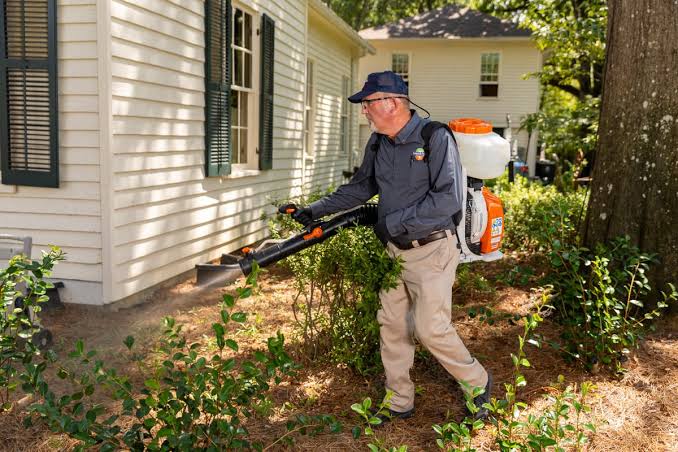
How Mosquito Spray Treatment Is Applied Around a Home
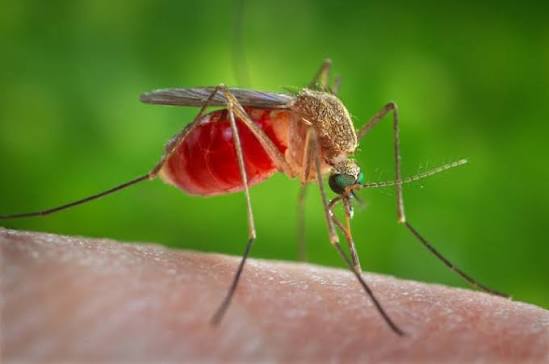
How Mosquito Inspection and Yard Assessment Works