Where Mosquitoes Breed in a Yard and How to Find the Source
Last updated: September 10, 2026
Key Takeaways
- One clue is enough: follow the water that still sits after 24 hours.
- Use a flashlight. Spend 10 to 15 minutes in daylight.
- A shallow depression that still holds a puddle 24 hours later is a likely breeding site.
- For birdbaths, changing the water every 2 to 3 days works better than waiting a week.
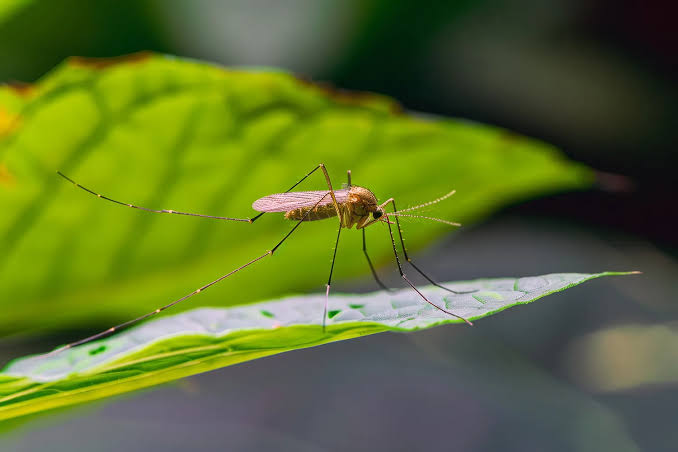
Mosquitoes breed wherever water stays still long enough for larvae to hatch. In a yard, that usually means a dozen small spots, not one obvious puddle. This guide to where mosquitoes breed in a yard and how to find the source is about tracing standing water, clogged drainage, and containers that keep rain for 7 days or more. Simple idea. Messy reality.
Who this applies to, and what I’m assuming you already know
This is for a homeowner, renter, or property manager who has mosquitoes in the yard and wants to find the breeding site without guessing. I’m assuming you already know the basic life cycle: adult mosquitoes bite, females lay eggs on or near water, and the immature stages live in water before becoming adults. I’m not assuming you know the field terms, so I’ll define them as I go.
The key term here is larva: the wormlike mosquito stage that lives in water and wriggles when disturbed. See larvae, and you’ve found an active breeding site, not just a place mosquitoes like to rest. Another useful term is catch basin, which means a storm-drain opening or low drainage box designed to collect runoff. Those can breed mosquitoes if they hold water.
This is a household search job, not a chemical-sprayer job. If the problem is a single yard, a careful inspection often beats random treatment; but if the source is unclear, consult a professional or local mosquito-control program. It’s the wrong approach if the mosquitoes seem to be coming from a wetland, drainage ditch, retention pond, marsh, or neighboring property you cannot access. It’s also the wrong approach if you or anyone in the home is dealing with a serious mosquito-borne illness risk in your area; in that case, local public health guidance matters more than backyard source hunting.
I’m also assuming you can spend 20 to 45 minutes, have a flashlight, and are willing to check the same spots after rain. You don’t need special gear to start, but you do need patience and a method. A quick glance at the lawn misses the places mosquitoes actually use. Every time.
Where mosquitoes usually breed in a yard
Mosquitoes usually breed in small, hidden containers and in low spots that hold water for at least 3 to 7 days. That’s the rule I’d start with because it catches most backyard sources and keeps you from overlooking the ordinary ones. No drama. Just water.
The most common breeding sites are boring on purpose: buckets, flowerpot saucers, toys, tarps, wheelbarrows, grill covers, clogged gutters, birdbaths, pet bowls, planter trays, rain barrels without screens, and low spots in turf. I’d also check anything that gathers runoff at least once a week, because many mosquito species are adapted to shallow, temporary water. Even a capful of water in a folded tarp can be enough. Tiny thing. Big nuisance.
Look beyond what is obvious. Mosquitoes also use places people forget to empty: the base of an umbrella stand, a lawn mower bag left outside, a children’s sandbox cover, a recycling bin with a dented bottom, a boat cover, a tarp tied in a dip, and the ring under a potted plant. In landscaped yards, the trouble often comes from drip lines, clogged French drains, and saucers under nursery pots. In older yards, a crushed downspout extension or sunken utility trench can make a tiny wet pocket that stays wet after every rainfall.
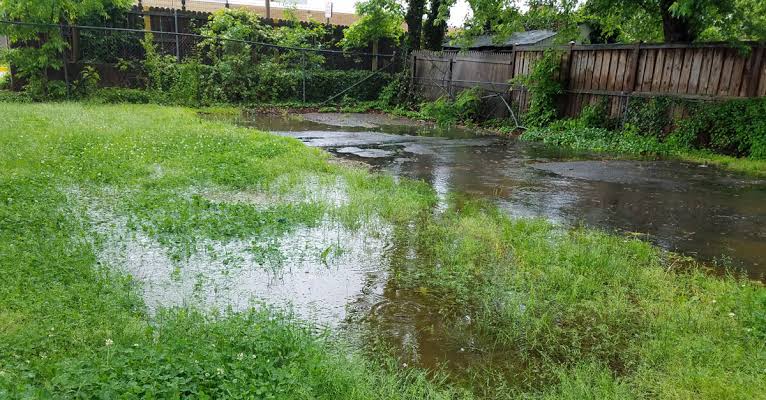
If you only want one clue, follow the water that sits still after 24 hours. A yard that drains cleanly after rain is usually a poor mosquito nursery. A yard with standing water after a dry day is not. That distinction matters more than how “dirty” the water looks; mosquitoes do not require clean water, and many species are happy in water that smells bad or has leaf debris. Ugly water counts, too.
How do I find the breeding source in my yard?
Walk the yard in daylight, then check the same places for standing water, larvae, and blocked drainage for 7 days after rain. I would not start with spraying. I’d start with inspection, because the source is often a container the size of a coffee cup. For a broader yard search, the topic is where mosquitoes breed in a yard and how to find the source, not how to treat adults after the fact.
- Walk the entire yard from the house outward. Use a flashlight and take 10 to 15 minutes in daylight. Check every item that can hold water: buckets, planters, toys, tarps, hoses, wheelbarrows, and furniture bottoms. Verify that each container drains fully or is empty. A problem is any item that still has water after being tipped once.
- Inspect gutters and downspouts. Look for sagging sections, leaf mats, and downspout elbows that back up water. A clean gutter should empty within minutes of runoff, not stay loaded with water. If you see water standing in a run, or overflow marks on the fascia, that section is a problem.
- Check all flat surfaces that can puddle. Outdoor covers, low platforms, and other flat surfaces are common traps. Verify that the surface slopes enough to shed water. If a shallow depression keeps a puddle 24 hours later, it is a likely breeding site.
- Look at birdbaths, pet dishes, and rain barrels. Empty and scrub them, then refill or cover them properly. For birdbaths, a water change every 2 to 3 days is better than waiting a week. A rain barrel without a fine screen on the inlet or an intact lid is a problem immediately.
- Use a clear jar or white cup to sample suspect water. Scoop from the edge of a puddle, catch basin, or low spot. Watch for larvae, which wriggle near the surface when disturbed. If you see movement, you have found an active source. No movement does not rule out breeding, but movement confirms it.
- Check hidden drainage points. Open catch basins, ditch inlets, French-drain outlets, and sump discharge areas. Standing water in a basin 24 to 48 hours after rain is a warning sign. If the water level does not drop between checks, the drain may be blocked, undersized, or flat.
- Repeat the inspection after the next rain. Go back within 24 hours and again around day 3. Mosquito source hunting works best when you compare wet and dry conditions. A place that looks harmless in drought but fills after rain is often the real source. If a container is dry both times, it is less likely to matter.
- Map the likely problem spots and note the highest-priority ones. Put the highest priority on anything that holds water longer than 3 days, anything with visible larvae, and anything close to the house or seating area. Verify that the top suspects are actually producing standing water. If you cannot explain why a spot would hold water, it is probably not the main source.
A good result is not “I saw fewer mosquitoes.” A good result is “I can name the exact place water sits, and I fixed it or flagged it.” If the source is still unclear after two inspections and one rain event, the yard may have multiple minor sources rather than one big one, and it may be worth consulting a mosquito-control professional.
What the generic advice leaves out
Generic advice usually says “dump standing water,” which is true but incomplete. The part people miss is that mosquitoes often breed in places that do not look like standing water from 10 feet away. A cracked tarp can hold a thin film. A clogged downspout can back up into a hidden elbow. A birdbath can be clear enough to look harmless and still carry larvae.
The other missed piece is timing. Mosquitoes do not need a swamp; they need a stable pocket of water. In many warm conditions, that can be enough for a breeding cycle in about a week, so a yard that “only gets wet after rain” can still support mosquitoes if the water sits for several days. That’s why I care about the 3- to 7-day window more than the appearance of the water. Water that lingers wins.
People also forget shade and shelter. A shaded side yard with dense groundcover, stacked pots, or a cluttered storage corner can hide small pools that never get direct sun. Sunlight helps water evaporate faster. Shade does the opposite, which is why the back fence line often matters more than the center of the lawn.
Another overlooked point is source distance. Mosquitoes can come from nearby properties or drainage areas, so the yard may not be the only cause. If you find nothing after a careful inspection, your yard may be a resting area, not the breeding site. That is not failure; it means you should look at nearby drainage, neighbors’ containers, or community water features. Sometimes the answer is next door.
I’d also separate nuisance species from container breeders. Some mosquitoes prefer tree holes, clogged gutters, or containers; others use larger water bodies. That matters because a clean, clipped lawn does not rule out mosquitoes if there is a single overlooked bucket or drain.
When should I stop looking in the yard?
Stop and change tactics when the yard no longer looks like the source, or when the breeding site is outside your control. That often saves time and can keep you from treating the wrong place, but if you are unsure, consult a professional.
Standing water comes from a neighbor’s property, roof runoff, or a shared drain: the source is not fully yours — document the location and ask the property owner or manager to correct it; if it is a shared system, it may need coordinated maintenance.
You find water in a storm drain, catch basin, or culvert that stays wet after 48 hours: the problem may be a drainage system, not a yard container — report it to the city or property manager rather than trying to solve it with yard cleanup.
The mosquitoes seem worst near a pond, wetland, retention basin, or ditch: the breeding source is likely beyond a normal household fix — focus on personal bite reduction and local guidance instead of spending hours on container searches.
You have cleared every obvious container and the problem persists for 2 or more rain cycles: the source may be hidden in roof drainage, underground drainage, or an adjacent lot — move from cleanup to tracing water flow and, if needed, outside help for inspection.
There is sewage, foul drain backup, or contaminated standing water: that is a sanitation issue, not just a mosquito issue — do not wade into it, and address the drainage or plumbing failure first.
I’d also stop treating the issue as one source if you keep finding small pockets in different places. A yard can have five weak sources instead of one obvious one. The remedy is not a bigger spray; it is a more complete cleanup and drainage fix. And if the pattern stays unclear, consult a mosquito-control professional.
The mistakes people make, and what they cost
The first mistake is checking only where mosquitoes bite. That sends people to patios and porch corners while the real source sits behind a shed or under a tarp. The cost is wasted time and an untreated breeding site. The better move is to inspect anywhere water can sit, even if nobody uses it. Painful, but true.
The second mistake is emptying containers once and calling it done. A bucket that fills again in 2 days is still a source. The cost is a cycle of “I fixed it” followed by more mosquitoes. Better move: remove the container, store it upside down, or drill drainage holes where appropriate.
The third mistake is ignoring gutters because they are out of sight. A clogged gutter can hold enough water for larvae and can also spill runoff into places that create new puddles. The cost is a source you never see from ground level. The better move is to check every section after rain and clear leaf buildup.
The fourth mistake is assuming clear water cannot breed mosquitoes. That is false. The cost is missed larvae in birdbaths, barrels, and planters. The better move is to look for movement at the water surface, not color.
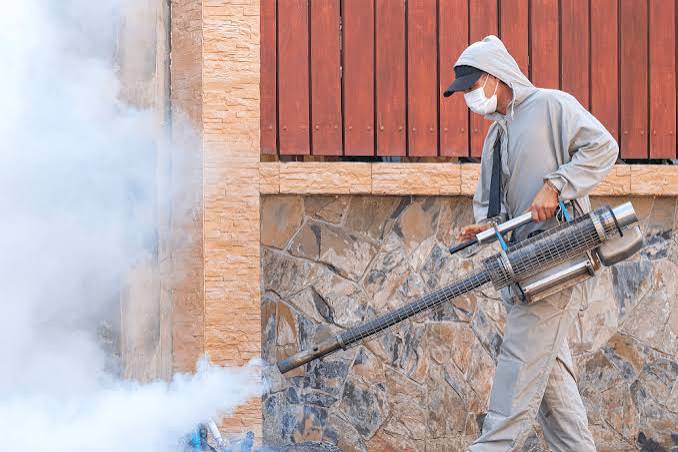
The fifth mistake is spraying first and searching later. Sprays may knock down adults for a short time, but they do not fix a breeding source. The cost is temporary relief and no resolution. Source first, spray later if needed.
What if the usual yard checklist does not fit?
The usual checklist changes if the yard has special drainage, heavy shade, or permanent water features. In those cases, I would look at how water moves, not just where it sits.
For a yard with a pond, barrel, or water garden, the relevant question is whether water circulation and maintenance prevent larvae from settling in still edges. A fountain or pump can reduce risk if it keeps the surface moving, but a dead corner or clogged filter can become a pocket. If the feature cannot be drained, it may need maintenance that is more frequent than a standard 7-day cleanup.
For a yard on clay soil, water may linger in shallow depressions long after rain. These can be only a few millimeters deep and still matter. In that case, regrading or filling the low spot matters more than container removal. If the depression recurs after every storm, I’d treat it as a drainage problem, not a one-time puddle.
For shaded, densely planted yards, I would check beneath leaves, under pot rims, and along the base of shrubs. Dense cover can hide small containers and slows evaporation. If the ground is uneven, use a flashlight at a low angle so the water surface reflects.
For apartment patios or shared courtyards, the source may be in a shared drain, roof edge, or common storage area. In that case, the correct step is to identify the exact spot and report it, not to clean only your own balcony.
I would not expect a single pass to solve a complicated property. A standard search works best for simple container breeding. It works less well when water is part of the design or the drainage itself. Different problem, different hunt.
What a good result looks like
A good result is specific: you can point to the source, show why it held water, and explain what changed. That might be a bucket turned upside down, a gutter cleared of leaves, a rain barrel covered with a tight screen, a birdbath refreshed every 2 to 3 days, or a low spot filled so it no longer puddles.
If you want a plain measure, I’d use two checks: water should not sit for more than 24 hours in the spots you fixed, and you should not see larvae when you sample the same places after rain. If you still do, the job isn’t finished.