Mosquito Breeding Sites and Prevention — The Complete Guide
Last updated: September 10, 2026
Key Takeaways
- Start 10 to 20 feet from the house and walk the perimeter clockwise.
- Check all containers that sit outdoors for more than 24 hours.
- Verify: soil surface dries between watering cycles; no puddle remains after 24 hours.
- Walk after a rain and mark places where water lingers longer than 1 to 2 days.
Table of Contents
- What mosquito breeding sites are, and why a “clean yard” can still grow mosquitoes
- Where mosquitoes breed most often around homes and buildings
- How do I find mosquito breeding sites in my yard?
- What to do about the breeding site you found
- What makes some breeding sites harder than others?
- Common mistakes that keep mosquitoes coming back
- When should I stop trying to fix it myself?
- How long does mosquito prevention take, and what does success look like?
A single puddle can turn into a mosquito nursery in just a few warm days. That is the blunt reality. This mosquito breeding sites prevention — complete guide is for homeowners, renters, gardeners, property managers, and anyone trying to cut mosquito numbers around a yard, balcony, patio, farm edge, or drainage area without guessing. It assumes you can inspect your own property, tip out containers, unclog gutters, and change how water collects. It also assumes you are not trying to solve a standing-water problem that comes from a drainage failure, a septic issue, a swamp, or a large pond; those cases often need local vector-control staff, a licensed contractor, or both.
What mosquito breeding sites are, and why a “clean yard” can still grow mosquitoes
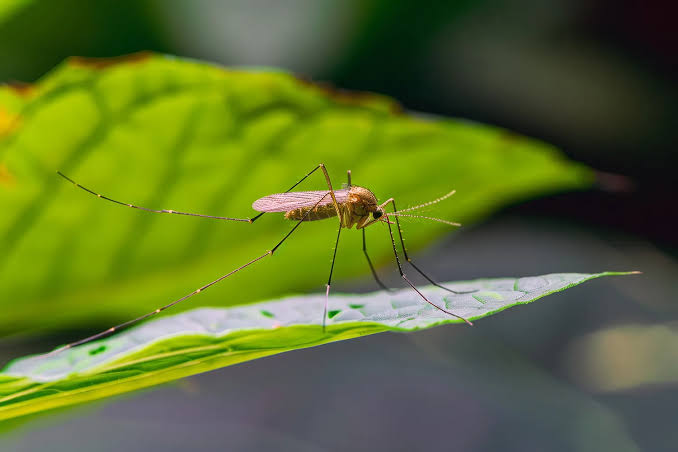
Mosquito breeding sites are places where female mosquitoes lay eggs and immature mosquitoes develop in water, usually in as little as a few days when conditions are warm. The technical term for the young stages is immature aquatic habitat: eggs hatch into larvae, then pupae, then adults. And that is why a yard can look tidy and still pump out mosquitoes. A flowerpot saucer, a folded tarp, a clogged roof gutter, or a tire full of rainwater can matter more than a ditch full of mud.
The big mistake I see in generic advice is treating “mosquitoes” as one outdoor annoyance. They are not one thing. Different species use different water. Container breeders, including many common urban and suburban mosquitoes, prefer small, man-made water pockets. Floodwater species use ground that floods and then drains. Culex species often use polluted or organic water, including catch basins, neglected pools, and stormwater features. So the fix is not “spray something around the yard.” The fix is to remove, drain, cover, or treat the water source, and in persistent or hard-to-identify cases you should consult a professional or local vector-control office. The CDC’s mosquito-control guidance and many local health departments say the same thing: standing water is the target. For species-specific biology, the American Mosquito Control Association and your local vector-control district are better references than a general gardening blog. The exact species varies by region, but the rule does not: no water, no development. See the CDC mosquito control page, the EPA’s mosquito control guidance, and the American Mosquito Control Association for background information.
Here is the practical shortcut: if water stays still for about 7 days in warm weather, inspect it. That is not a law of nature, just a useful schedule, because many mosquito species can move from egg to adult in a week or two depending on temperature. Fast little hitchhikers.
Where mosquitoes breed most often around homes and buildings
Mosquitoes breed in the places people ignore because those places look too small, too temporary, or too ordinary to matter. Containers, gutters, drainage features, water-storage items, and landscaping edges are the usual suspects. If I had to prioritize a first inspection, I would start with anything that can hold water for 24 hours after rain.
The most common breeding sites
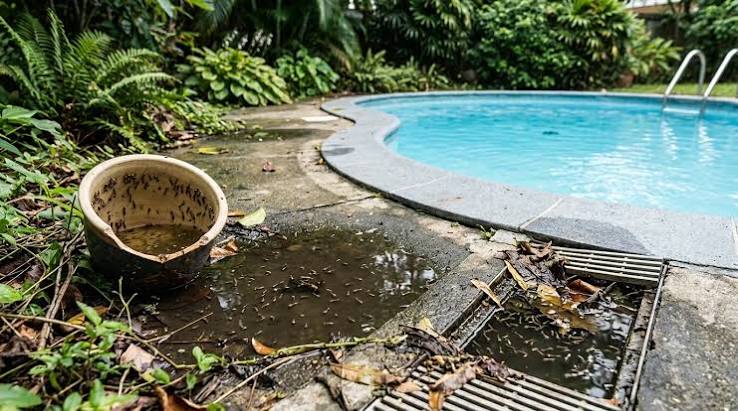
- Buckets, pails, plant saucers, and toys: Even a shallow layer of rainwater can be enough.
- Old tires and wheelbarrows: Tire grooves trap water; wheelbarrows often sit tilted just enough to hold a puddle.
- Tarps, pool covers, and boat covers: A sagging low spot becomes a rain basin.
- Birdbaths and pet dishes: These are classic container habitats if not emptied and scrubbed regularly.
- Rain barrels and cisterns: Useful systems can become hatcheries if screens are missing or lids do not seal.
- Clogged gutters and downspouts: A gutter that holds a thin ribbon of water after rain can still breed mosquitoes.
- Catch basins, storm drains, and drainage swales: These matter especially in neighborhoods with poor grading.
- Planting trays, bromeliads, and tree holes: Some plants and natural cavities hold water in a way people overlook.
- Unused pools, spas, and fountains: Water that is not circulated, filtered, or chlorinated becomes a problem fast.
- Construction debris and trash: Tarps, buckets, wheelbarrows, and scrap materials all collect rain.
That advice sounds simple, but there is a catch. Some sites cannot just be dumped. A rain barrel is supposed to hold water. A pond is supposed to hold water. A French drain is supposed to move water underground. The real job is to separate useful water from accidental water. Useful water needs exclusion, circulation, screening, or treatment, and for larger or sensitive setups you should consult a professional or local health or vector-control authority. Accidental water needs to be removed or made unable to hold water for more than a day or two.
One source gets missed a lot: roof and balcony edge runoff. If a balcony planter tray, tarped grill, or sagging awning keeps catching rain, you can clear the obvious bins and still get bitten every evening. So look up, not just down. Railings, roof edges, and raised planters count too.
How do I find mosquito breeding sites in my yard?
You find mosquito breeding sites by inspecting every place water can sit for more than 48 hours, starting close to the house and moving outward in a systematic loop. The goal is not perfection; it is to eliminate the small, recurring water pockets that produce most backyard mosquitoes.
- Start 10 to 20 feet from the house and walk the perimeter clockwise. Look at every object that can hold water: buckets, pots, toys, tarps, wheelbarrows, AC drip pans, and grill covers. Verify: after rain, these items should be dry or tipped. Problem sign: any object with a visible water line, algae film, or mosquito wrigglers.
- Inspect gutters and downspouts at least once after a rain event. Check for sagging sections, leaf packs, and disconnected downspouts. Use a ladder only if it is stable and you are comfortable doing so; otherwise work from the ground with binoculars or a camera zoom. Verify: water drains fully within minutes after rain stops. Problem sign: pooled water in a gutter or downspout elbow.
- Check all containers that sit outdoors for more than 24 hours. Empty saucers, flip buckets, drill drainage holes in items you keep outside, or store them upside down. Verify: no container can hold a puddle deeper than a few millimeters. Problem sign: a container that traps water in its rim, seam, or fold.
- Examine tarps, covers, and soft items for sagging low spots. Tighten, clip, or re-tension them so rain runs off. A cover with even a 1 to 2 inch depression can pool enough water to matter. Verify: the surface sheds water, not collects it. Problem sign: repeated dimples after each storm.
- Look at irrigation and hose-end watering areas. Check for leaking spigots, misdirected sprinkler heads, and overspray that keeps soil saturated. Verify: soil surface dries between watering cycles; no puddle remains after 24 hours. Problem sign: a wet patch that stays dark and damp all day.
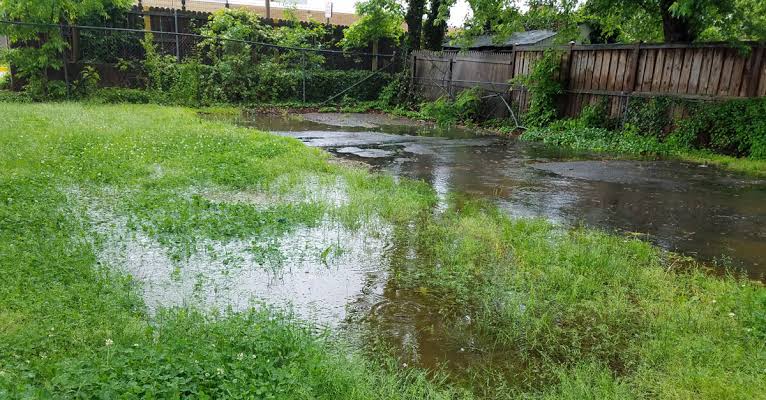
- Inspect drainage low points in the yard. After a rain, mark places where water lingers longer than 1 to 2 days. This may be a grading issue, compacted soil, or a blocked swale. Verify: water moves off the site or infiltrates quickly. Problem sign: a visible depression, soft mud, or a persistent wet footprint.
- Check water features, ponds, and fountains for circulation. Pumps, bubblers, and filters should keep water moving. If a feature is decorative and not maintained, it can become a breeding site. Verify: the water surface moves or is treated appropriately, and if you are unsure how to do that safely, consult a professional. Problem sign: still water with algae, mosquitoes, or a sulfur smell.
- Inspect hidden indoor-outdoor sources. Crawlspace sump pits, floor drains, crawlspace standing water, and garage runoff can all support mosquitoes if larvae have access. Verify: these spaces are dry or properly covered. Problem sign: standing water in a utility space, especially near a door or vent.
The quickest way to make the search useful is to repeat it after the first heavy rain, then again 7 days later. One pass catches obvious containers. The second pass catches anything that refilled or was missed. Skip dry-day-only checks and you miss the problem that shows up with the next storm.
I would also keep a simple checklist. Not because mosquito control needs paperwork, but because the same three or four spots usually recur: a gutter elbow, a tarp fold, a birdbath, and a stray bucket. If you keep fixing those same spots, you are probably close.
What to do about the breeding site you found
Stop the water, change the container, or treat the spot so larvae cannot develop. That is the whole playbook. The right method depends on the site, but the order is always the same: eliminate first, modify second, treat third.
The practical order of operations
- Dump and dry removable water. Empty buckets, trays, toys, wheelbarrows, pet dishes, and similar items. Dry them and store them upside down. For something like a tarp or cover, stretch it so no low pocket remains.
- Fix drainage before reaching for chemicals. If water sits because a gutter is clogged or a downspout ends on a flat patch, remove the leaves or extend the outlet so water moves away from the foundation.
- Scrub container walls. Mosquito eggs can stick to damp container sides just above the water line in some species. A quick scrub with a brush and soap, then a rinse, is more reliable than a plain rinse.
- Cover water-storage containers tightly. Rain barrels, cistern openings, and tanks need fine mesh screens or tight lids that seal the opening. A screen should fit snugly over the inlet and vent so mosquitoes cannot enter.
- Use circulation for unavoidable water. Fountain pumps, aerators, and pool circulation reduce still water. A moving surface is harder for mosquitoes to use than a stagnant one.
- Use larval control only where water cannot be removed. Products containing Bti (Bacillus thuringiensis israelensis), a bacterial larvicide that targets mosquito larvae, are used in some standing water sites. Follow label directions exactly, because “more” is not better and some formulations are intended for specific water types.
- Recheck after the next rain. If the same spot refills in the same way, the source is not solved. Reinspect within 48 hours and then after 7 days.
The part most people skip is the verification step. It is not enough that the site looks better for one afternoon. What matters is whether it stays dry or unable to support larvae after the next rain, irrigation cycle, or overflow. If it does not, the breeding source still exists.
I also want to be clear about trade-offs. Larvicides are not a substitute for source reduction. They are a backup for water you cannot reasonably eliminate, such as certain catch basins or permanent water features. If you rely on treatment alone, you keep chasing the symptom instead of the cause. That approach is wrong for anyone who can safely and legally alter the water source.
What makes some breeding sites harder than others?
Some mosquito sites are simple container problems. Others are structural, seasonal, or tied to land use. Those need different tactics, and the generic “dump standing water” advice falls apart fast.
Edge cases that need modified guidance
- Rain barrels and cisterns: These are useful water-storage systems, so the goal is exclusion, not emptying. Use screened inlets and tight lids. The screen opening should be fine enough that mosquitoes cannot pass through, and the lid should not leave a gap at the rim.
- Ponds and water gardens: You usually cannot drain these. Use circulation, keep shorelines from becoming trash traps, and avoid dense mats of debris. Fish are sometimes used in water gardens, but that only works in the right setting and with local guidance.
- Construction sites: Wheel tracks, trenches, and piles of scrap create temporary pools. The fix is daily site housekeeping, grading, pumping, and container removal. A one-time cleanup is rarely enough.
- Flood-prone yards: If water returns after every storm, the issue may be grading or soil compaction. Repeated re-leveling, swale work, or drainage installation may be needed. If the lot stays wet for days after a normal rain, the source is not a “mess”; it is a drainage problem.
- Septic and wastewater areas: If you suspect a septic leak, sewage overflow, or graywater pooling, stop treating it like a simple mosquito job. The mosquito problem is secondary to the sanitation problem.
- Cement planters, tree holes, and bromeliads: Some natural or decorative structures trap small amounts of water in ways that are easy to miss. These may require removal, filling, or routine emptying.
A generic article often implies all breeding sites are visible and removable. They are not. I would separate sites into three buckets: dumpable, modifiable, and non-negotiable. Dumpable sites are buckets and saucers. Modifiable sites are gutters, barrels, and covers. Non-negotiable sites are things like wetlands, drainage basins, or structural water problems. The last group is where you stop pretending a weekend cleanup will solve it.
This is also where local rules can matter. In some places, altering a drainage ditch, filling a swale, or changing a water feature may have permit or property-line implications. If the site is shared, public, or tied to a stormwater system, the right next step may be reporting it to the municipality or vector-control office rather than trying to “fix” it yourself.
Common mistakes that keep mosquitoes coming back
The biggest mistakes are not dramatic. They are small omissions that let water sit for another 3 to 7 days. Each one has a predictable consequence, and each has a cleaner alternative.
-
Only emptying visible water once.
Consequence: the container refills with the next rain and restarts the cycle.
Correct alternative: invert, cover, or store the item under shelter, then recheck after rain. -
Ignoring gutters because “they’re up high.”
Consequence: leaf-packed gutters hold water along the roofline and breed mosquitoes out of sight.
Correct alternative: clean gutters and confirm downspouts drain freely to daylight or a proper outlet. -
Treating all standing water the same way.
Consequence: you either over-treat water that should be removed or under-treat water you cannot remove.
Correct alternative: classify each site as dumpable, modifiable, or permanent, then choose the matching fix. -
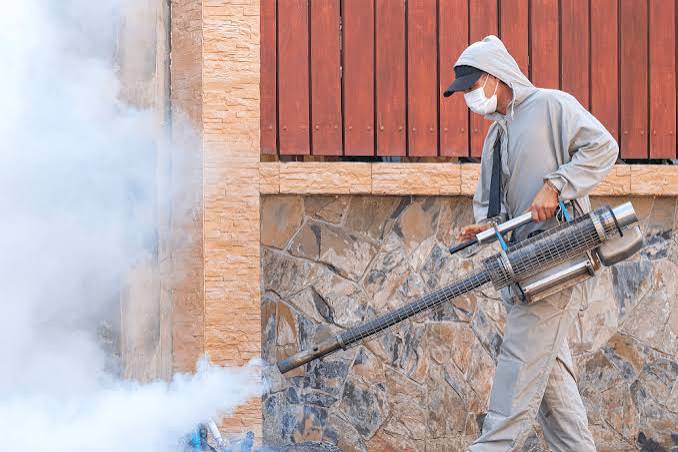
Using sprays instead of source control.
Consequence: adult mosquitoes may die for a short time, but new adults keep emerging from the same water source.
Correct alternative: remove the breeding water first; use adult control only as a secondary measure if needed. -
Forgetting hidden containers after storms.
Consequence: tarps, toys, wheelbarrows, and plant trays refill in one afternoon and go unnoticed until bites return.
Correct alternative: inspect within 24 to 48 hours after rain, not just on a sunny day. -
Assuming clear water is safe.
Consequence: mosquito larvae can develop in clean water just as readily as in dirty water.
Correct alternative: do not use water clarity as a safety test; use drainage, coverage, or treatment status.
The trade-off here is time. Real source control takes 15 to 60 minutes of focused work on a small property, more on a complex one. That is less glamorous than buying a spray, but it is the route that actually changes mosquito numbers at the source.
When should I stop trying to fix it myself?
Stop DIY control when the water source is large, shared, structural, or tied to sanitation; at that point, the issue is no longer a simple household cleanup. In those cases, continued tinkering often burns time and leaves the breeding site intact.
Standing water returns within 48 hours after you clear it: this usually means a drainage or grading problem, not a one-off container issue — get the site assessed for runoff, slope, or blocked drainage.