How Much Does Mosquito Control Cost for a Home?
Last updated: September 10, 2026
Key Takeaways
- Season-long service costs more because the technician returns every 2 to 4 weeks during the active months.
- Ask what service frequency is recommended: 7, 14, or 30 days.
- After rain, walk the property and make a list of standing-water spots within 50 to 100 feet of the house.
- A $0 fix like emptying a container often beats paying for monthly service to treat a problem you could remove in 5 minutes, but consult a professional if drainage keeps the water coming back.
Mosquito control cost for a home usually lands somewhere between a low-cost one-time treatment and a few hundred dollars for recurring service. Yard size matters. So does standing water. And if you want short-term knockdown instead of season-long control, the price shifts again. This article answers how much does mosquito control cost for a home, including what affects mosquito control cost for a home, when a one-time visit makes sense, and when to ask a professional for a written quote. Need help for a patio dinner? A one-off spray is one price. But when mosquitoes breed in gutters, drains, or low spots after every rain, the bill climbs fast because the problem is no longer a simple surface treatment.
What this cost question really includes
Homeowners and renters with a yard, patio, deck, or small outdoor area are the people this applies to. The goal is reduction around the property, not wiping mosquitoes off the neighborhood map. I’m assuming you already know the basics — mosquitoes breed in standing water, they bite at dawn and dusk, and a backyard with shade and dense planting tends to hold more of them. Honestly, that’s the part most people already suspect. I’m also assuming you want a practical answer about mosquito control cost for a home, not a sales pitch.
Usually, people want the total cost for one home over a season. That total can include a one-time barrier spray, recurring monthly or biweekly service, larvicide for standing water, and sometimes source reduction work such as draining containers or clearing gutters. Think in categories. “Mosquito control” is not one neat package.
For a modest home with a small yard, a single service visit is often the cheapest way in. Season-long service costs more because the technician comes back every 2 to 4 weeks during the active months. If a company has to spend time on dense vegetation, drainage issues, or hard-to-reach breeding sites, labor rises even when the house itself is plain-Jane ordinary.
Permanent cure? No. That’s the trade-off. A licensed pest professional can still tell you what level of reduction is realistic for your property, and that usually beats guessing. Mosquito control on a residential lot is a pressure reduction strategy. If nearby properties, storm drains, or wooded edges keep re-seeding the area, no service plan will make your yard insect-free for long.
How much does mosquito control cost for a home?
For a typical home, I’d put the cost in three buckets: a one-time service, a recurring seasonal plan, or a do-it-yourself setup with supplies bought at a home center. I’m not pretending there’s one national number here. Prices move with region, lot size, and local labor rates, and mosquito control cost for a home is rarely fixed.
A one-time mosquito treatment is often the least expensive professional option when you have a single event coming up. But that only holds when you’re comparing similar scopes. It often makes sense for a wedding, barbecue, or weekend gathering. The catch is obvious. The effect is temporary. If the source is active breeding water nearby, the benefit can fade quickly after rain.
Recurring service costs more because it includes repeat applications. The technician usually treats the perimeter, shrubs, shaded areas, and sometimes wall or eave surfaces where mosquitoes rest. Plans based on 7-day to 30-day intervals cost more in total than a one-off visit, though they usually make more sense if you want a yard you can actually use throughout the warm season, according to local conditions and a provider’s recommendation. Different job. Different bill.
DIY products are cheaper up front, but they shift the work to you. You may need a backpack sprayer, hose-end sprayer, larvicide tablets or dunks, and a repellent for personal use. Time is the hidden cost. On a small property, a careful homeowner may spend 30 to 60 minutes per application; more if there are multiple water sources to check. Not exactly pocket change, even if the supplies look cheap.
My rule of thumb is simple: if the mosquitoes are mostly coming from one obvious source, spend on source control first. If the whole yard is the issue, repeated service may be worth it. If the “problem” is just a bad hour at sunset, don’t pay for a season plan you’ll barely use. That math stops working fast.
What drives the price up or down?
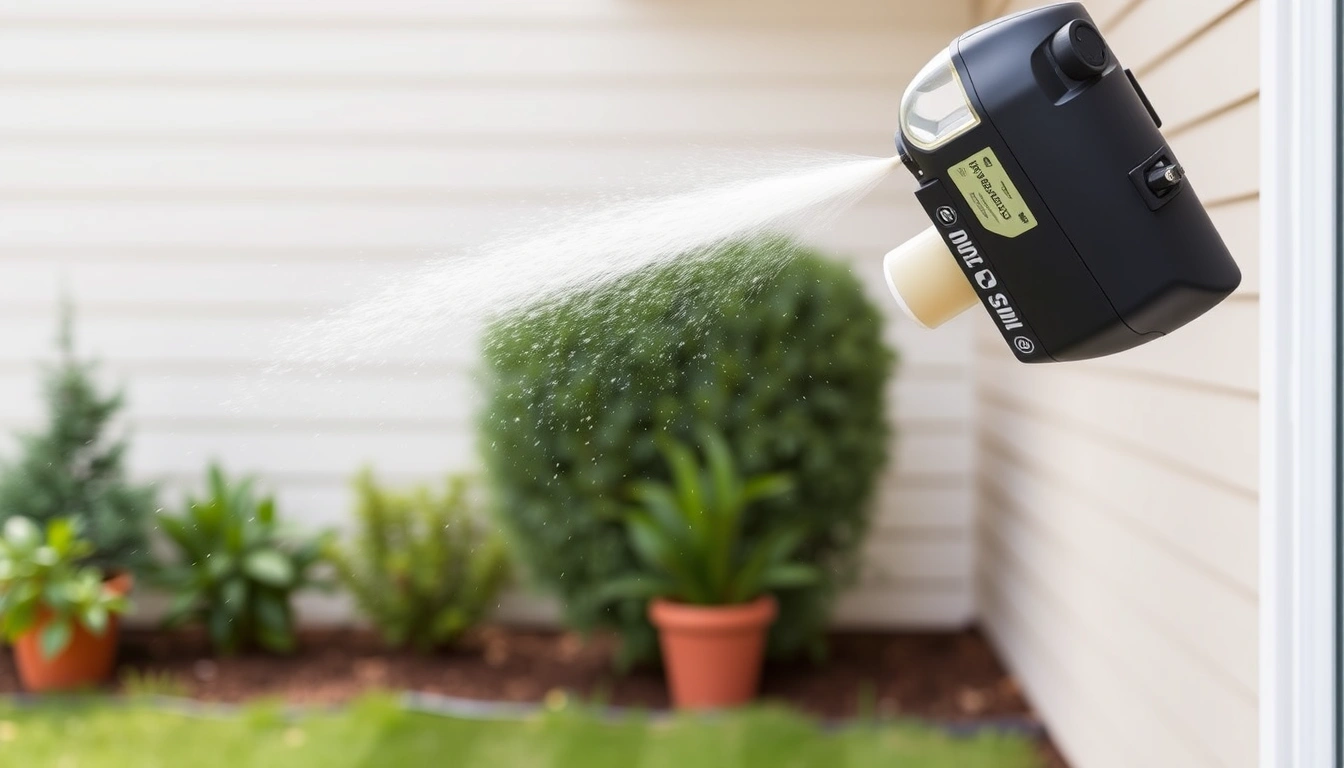
Yard size, breeding sites, vegetation density, and how often treatment has to repeat are the main price drivers. A quarter-acre lot with a few shrubs is not priced the same as a heavily shaded yard with a pond, French drain, rain barrels, and stacked planters.
Size matters because spray coverage is measured by time and product volume, not by the number of mosquitoes you saw last night. A larger perimeter means more labor and more chemical or biological product. Dense hedges, ivy, and trees add time because mosquitoes rest in cool, shaded foliage.
Standing water is the biggest cost trap. A birdbath, clogged gutter, sump discharge point, tarp pocket, or flowerpot saucer can make a “mosquito spray” job look ineffective. If a company has to keep returning because water management was never fixed, you pay more for repeated suppression instead of solving the source. Source reduction means removing or treating breeding water so fewer larvae survive to become adults. Simple idea. Big savings.
Regional pressure matters too. In humid areas, near wetlands, or during rainy months, mosquito populations rebound faster. That often pushes homeowners toward 2-week service instead of monthly service, which raises the seasonal bill. If your property borders unmanaged vegetation or drainage swales, your price may look high because the service has to fight constant reinfestation.
The other factor is whether the provider uses pyrethroid-based barrier sprays, larvicides such as Bacillus thuringiensis israelensis, or a mixed approach. I’d choose the mixed approach when the real issue is breeding, because spraying adults alone is a short-lived fix. It’s the wrong move for someone who only wants short event treatment, since the extra source work may not be worth the cost.
How do you estimate the cost before you hire anyone?
Count the places mosquitoes can breed and the amount of yard that has to be treated. That’s the starting point. After rain, take a short walk and make a list of standing-water spots within 50 to 100 feet of the house. That distance matters because mosquitoes often rest and emerge close to where people sit.
Next, estimate the yard roughly in square feet or acres. Survey-grade numbers aren’t necessary. A basic read is enough to tell whether you have a small town lot, a mid-size suburban yard, or a larger property with several treatment zones. Then note the density of shrubs, ivy, and tree cover, because a heavily shaded yard typically takes longer to treat.
Ask for pricing in one of three forms: per visit, per month, or per season. A quote that only says “we’ll take care of it” is too vague to compare. I want the scope in writing: number of visits, treatment areas, whether gutters or drains are included, and whether larvicide is part of the plan. If a company won’t say whether inspection is separate from treatment, that’s a warning sign.
A clear quote should also say what is not included. Draining containers, cleaning gutters, or fixing drainage problems may be excluded. That matters because source reduction is often the cheapest long-term solution, but it may fall on the homeowner.
If you want a simple worksheet, use this sequence:
1. Count standing-water sites.
2. Estimate the yard area.
3. Note shade and vegetation density.
4. Decide whether you need a single visit or repeated service.
5. Ask whether the company treats adults, larvae, or both.
6. Ask what service frequency is recommended: 7, 14, or 30 days.
7. Compare the total seasonal cost, not just the first visit.
What should be done before paying for spray?
Remove breeding water first. That often cuts the bill more than any chemical program. Empty containers. Clear gutters. Fix downspouts that dump into low spots. Check tarps, toys, plant saucers, and wheelbarrows. Even a capful of water in the wrong place can produce mosquitoes if it sits long enough.
The core procedure below is the cost-saving version of mosquito control for a home, and I’d start here before spending on recurring service:
- Walk the property 24 to 48 hours after rain and list every item holding water deeper than a thin film; verify each site drains within 24 hours; if not, note it as a breeding source.
- Clear gutters and downspouts so water moves away from the foundation; verify flow during a hose test for at least 2 to 3 minutes; if water backs up, the drainage path is still blocked.
- Empty or overturn containers such as buckets, toys, tarps, and plant saucers; verify there is no standing water after repositioning; if water reappears within a day, the site needs draining or removal.
- Treat unavoidable standing water with an appropriate larvicide labeled for mosquito control, following the label exactly; verify the product is intended for that water type; if the label does not match the site, do not use it there.
- Trim dense vegetation around sitting areas to open airflow and light; verify you can see and reach the shaded resting zones; if the area remains heavily damp and enclosed, mosquitoes will keep using it.
- Reduce irrigation run time so soil is moist, not saturated; verify no puddling lasts more than a few hours after watering; if puddles remain, the setting is too wet.
- Only then apply a perimeter treatment if needed; verify the service plan includes both resting areas and entry points around doors, patios, and eaves; if it is only a random spray, it is unlikely to be worth the price.
- Recheck all water sites after the next rain; verify the same problem spots are not refilling; if they are, the real issue is drainage, not mosquito density.
This is where many homeowners save real money. A $0 fix like emptying a container often beats paying for monthly service to treat a problem you could remove in 5 minutes, but consult a professional if drainage keeps the water coming back. The trade-off is attention: source reduction takes effort, and if the yard has hidden drainage trouble, it can turn into a recurring chore.
When should you stop and choose a different approach?
Stop paying for standard mosquito service when the underlying problem is drainage, hidden water, or a large off-site source that the treatment cannot reach. In those cases, recurring spray is the wrong tool and usually the pricier one.
You have a pond, swampy ditch, or drainage swale on the property: That is a breeding zone, not just an annoyance — use targeted larval control and drainage management, and expect recurring work until water movement improves.
Water remains in gutters, downspouts, or low spots more than 24 hours after rain: The yard is holding breeding water — fix the drainage first, because spray will not solve constant re-emergence.
The yard is small but the mosquito pressure is heavy from neighboring woods or wetlands: The source is not fully on your lot — one-off treatments may help briefly, but a season plan may still disappoint.
You only need relief for one event lasting 3 to 7 hours: A full seasonal contract is usually overkill — pay for a single treatment or use personal repellent and avoid the recurring charge.
You expect zero mosquitoes from a heavily shaded yard with dense vegetation: That expectation is unrealistic — trim, drain, and improve airflow, then judge whether treatment is still needed.
You have only one or two small breeding sites that you can empty or cover: Professional service is unnecessary — remove the sources yourself and spend nothing or very little.
For high-pressure properties, I’d choose source control plus selective treatment, not spraying alone. Spraying alone is wrong for anyone with a water problem that keeps coming back. If you cannot identify the source, a pest-control technician or local extension office can help you find it, but don’t pay for repeated visits before the basic water audit is done.
The mistakes that make mosquito control cost more
Buying recurring service before removing standing water is the most expensive mistake. It turns a preventable nuisance into a monthly bill. The better move is to inspect gutters, containers, and low spots first, then decide whether spray is still needed.
Another mistake is treating only the visible mosquitoes at dusk. That gives short relief and misses larvae in water. The cost consequence is repeat service or repeat DIY buying. Better to target breeding water and resting zones together.
A third error is using the wrong frequency. Monthly service can be too slow in peak mosquito season, especially after frequent rain. If the provider recommends 14-day visits and you insist on 30-day visits, you may save a little up front and lose the effect between visits. Match the interval to local rain and regrowth.
A fourth mistake is assuming all yards need the same treatment package. A flat, open yard may only need source reduction and a few targeted applications, while a dense, shaded property may need more labor. Buy the wrong package and you pay for coverage you don’t need or miss coverage you do.
A fifth mistake is ignoring label instructions on DIY products. Many larvicides and sprays are site-specific. Misuse can waste money and reduce effectiveness. Read the label for treatment area, reapplication interval, and water type, then follow it exactly.
What does a good result look like, and how long should it last?
A good result is fewer bites during peak outdoor hours, not an empty sky. On a treated home, I’d expect the most noticeable improvement in the areas closest to where people sit: patio, deck, porch, and entry path. If the yard has been source-managed well, the improvement should last longer than a few days; if not, it will fade after rain or irrigation.
Timing matters. A one-time barrier treatment often gives short-term relief for an event. Seasonal service may keep pressure lower through the active months, but only if rain, vegetation growth, and breeding sites stay under control. In practice, many homes need rechecks every 1 to 4 weeks during mosquito season, depending on weather and site conditions.
The best long-term value is usually not the fanciest spray program. It is the combination of drainage fixes, container cleanup, and only enough treatment to fill the gaps. That is why the cheapest quote is not always the lowest-cost choice. A $100 visit that leaves the breeding site untouched is more expensive over time than a $50 fix that solves the source.
If you want one sentence to carry into a quote request, use this: “Tell me the cost for one treatment, the cost for a 3-month season, and whether source reduction is included.” That forces the provider to show what you are actually buying.
Mosquito control cost FAQs