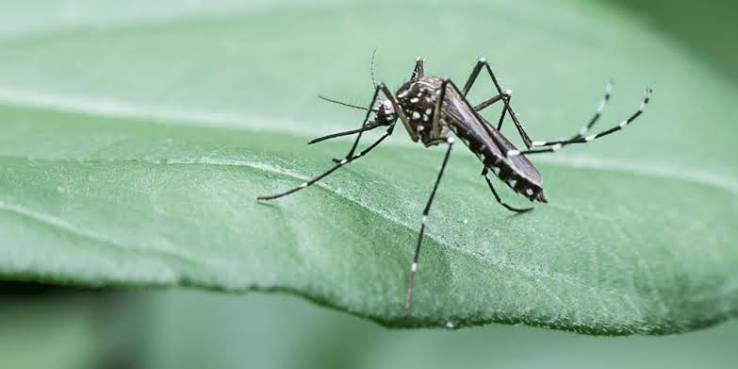
Signs You Need Professional Mosquito Control Instead of DIY
Last updated: September 10, 2026
Key Takeaways
- Repeated activity over 2 to 3 weeks is another.
- Track timing for 7 to 14 days.
- Reduce vegetation contact near seating areas by at least 2 to 3 feet.
- Measure your result after one mosquito life cycle window of about 7 to 10 days in warm weather.
- Check CDC guidance on mosquito-borne disease risk and local advisories: https://www.cdc.gov/mosquitoes/mosquito-borne-diseases/index.html
Mosquitoes in the house are not a small annoyance anymore. Nor are larvae showing up after every rain. Once repellent stops changing the pattern, the answer is plain: signs you need professional mosquito control instead of DIY are already there. I’m writing for homeowners, renters, and property managers who know the basics—dump standing water, use repellents, screen openings—but want to know where the line gets crossed.
Who this applies to, and who should stop trying to handle it alone
This applies to people dealing with recurring mosquito activity around a house, duplex, small apartment building, yard, pool area, or shared outdoor space. You probably already know the usual first moves: empty buckets, unclog gutters, check window screens, and avoid sitting out at dusk without repellent. If those steps are not holding the line, that matters.
Professional help is the right call when the mosquito problem is no longer a simple “find and dump the water” issue. Dense landscaping, drainage problems, nearby wetlands, retention ponds, shared trash areas, or neighbors who leave water collecting in places you cannot control all fit that bill. And sometimes the pressure is just ugly — a 10-minute spray from a hardware-store product can vanish before the evening is over.
I would also draw a line at health concerns. Mosquitoes are not just a nuisance; they can transmit diseases depending on region, season, and species. The CDC’s mosquito-borne disease guidance is a better reference than guesswork: https://www.cdc.gov/mosquitoes/mosquito-borne-diseases/index.html. If anyone in the household has had a suspected mosquito-borne illness, or if you are in an area with local disease advisories, I would consult a licensed professional quickly and, if needed, a clinician.
DIY is usually reasonable only when the problem is light, localized, and traceable to a few obvious breeding spots you can remove in one pass. It is not the right tool if you are finding adults indoors every day, or if the yard has a hidden source you cannot fully inspect. For source basics, see our standing water checklist and our article on mosquito prevention tips.
What counts as a mosquito problem, not just a few bites?
A mosquito problem is persistent when you can predict bites at a specific time or place, see adults indoors or under covered seating areas, or find larvae in water that keeps returning after cleanup. A single swarm after a storm is one thing. Repeated activity over 2 to 3 weeks is another. Clockwork, basically.
Look for these signs:
- You hear or see mosquitoes in bedrooms, mudrooms, garages, or basements.
- You get bitten in the same outdoor area even after emptying visible water.
- You find larvae, the tiny wriggling “wigglers,” in birdbaths, plant saucers, sump pits, tarps, low spots in lawns, or clogged gutters.
- People avoid the yard at dusk because the biting starts within minutes.
- The problem returns after every rainfall of roughly 1/2 inch or more, which suggests hidden standing water rather than a one-time event.
- Your own efforts change nothing for more than a week.
The real split is source control versus population pressure. Source control means removing breeding water. Population pressure means adults are flying in from nearby habitat or from a source you cannot reach, such as storm drains, retention basins, marsh edges, or neighboring lots. If you keep losing the same battle every 7 to 10 days, professional control starts making more sense than another round of consumer aerosol.
A generic article usually stops at “eliminate standing water.” That advice is correct and incomplete. It ignores screened crawl spaces, French drains, ornamental ponds, sump systems, and overflow points that can hold water below the level you notice. It also ignores the fact that some mosquito species rest in cool, shaded vegetation during the day, which is why the problem can feel worse even when you have no obvious puddles. See EPA guidance on mosquito control for more on source reduction and habitat management: https://www.epa.gov/mosquitocontrol.
How do I tell if DIY mosquito control is still enough?
DIY is still enough when you can identify the breeding source, remove it in a single session, and see a clear drop in activity within 7 days. If you cannot do all three, I would start thinking professionally.
Here is the decision process I would use:
- Inspect every water-holding spot within about 50 feet of where people sit or sleep outside. Check buckets, toys, plant saucers, tarps, grill covers, clogged gutters, downspout ends, and drain grates. Empty, tilt, or cover each one. A problem sign is water that returns after rain or irrigation.
- Look for larvae in standing water with a flashlight. Use a white cup or spoon to scoop from edges where larvae gather. Verify whether the water contains wrigglers or pupae. Any living immature mosquito in water you can reach and remove is a problem sign.
- Check indoor entry points. Inspect window screens, door sweeps, attic vents, and gaps around utility penetrations. Verify that screens fit tightly and have no tears larger than a pinhole. A problem sign is mosquitoes appearing in the same room nightly despite closed windows.
- Track timing for 7 to 14 days. Note when bites happen, where they happen, and whether rain or irrigation preceded them by 1 to 3 days. Verify a pattern rather than a one-off event. A repeat cycle you can predict but cannot break is a problem sign.
- Reduce vegetation contact near seating areas by at least 2 to 3 feet. Trim dense shrubs, pull back groundcover, and clear low branches that touch fences or walls. Verify that airflow improves and shaded resting spots shrink. No change in biting after the area is opened up is a problem sign.
- Use a labeled larvicide only in water you cannot remove, if the product directions allow it. Bacillus thuringiensis israelensis, or Bti, is a biological larvicide used in some standing water. Verify the label covers the water type and dose. A water source too large, too hidden, or too fast-moving for a homeowner treatment to make sense is a problem sign.
- Measure your result after one mosquito life cycle window of about 7 to 10 days in warm weather. Verify whether biting drops, stays flat, or rebounds. No meaningful improvement after you have corrected sources and followed label directions is a problem sign.
- Escalate if the source is structural or shared. Inspect drains, crawl spaces, catch basins, common grounds, and fence-line swales. Verify whether the source sits beyond your control. A breeding site that needs access, equipment, or coordination you do not have is a problem sign.
That is the point where signs you need professional mosquito control instead of DIY stop being convenience and start being the practical solution. A technician can treat inaccessible breeding sites, identify species patterns, and decide whether the issue is source reduction, barrier treatment, larval control, or all three. For region-specific insect activity, check your local vector control district and the CDC mosquito page.
When should you stop DIY and call a professional?
Stop DIY when the problem is bigger than what you can fully inspect, drain, or treat in one cycle. These are the clearest stop signs:
You find larvae in a source you cannot empty: That means the breeding site is persistent — call a licensed mosquito control provider or your local vector control district.
Mosquitoes are coming from a drainage feature, retention area, or storm-water structure: That points to infrastructure, not a bucket problem — a professional may need access, mapping, or larval treatment tools.
The bites are concentrated indoors or in a sleeping area: That suggests entry points or hidden harborage — seal gaps and get professional identification if the source is unclear.
Your yard stays active for more than 2 weeks after source cleanup: That means nearby habitat or an unseen source is feeding the population — DIY sprays are unlikely to hold.
Someone in the home has a heightened health concern: Pregnancy, immune compromise, or a recent suspected mosquito-borne illness changes the risk calculus — treat this as a reason to get qualified help and, if relevant, medical advice.
You are tempted to spray more often than the label allows: That is a sign the method is failing — do not keep escalating product use; switch strategies.
There is a second reason to stop: some DIY approaches carry trade-offs. Broad-spectrum spray can knock back adults briefly, but it does not solve breeding. Fogging can also harm beneficial insects if used indiscriminately. If you are planning to spray every few days, you are probably paying for short-lived relief instead of control.
I would also stop DIY if the property is large enough that “checking everything” is not realistic. A half-acre lot with multiple shade zones, a pool, and several drains is a different job from a small patio with two planters and a birdbath.
The mistakes people make with mosquito control, and what those mistakes cost
The most common mistake is spraying first and looking for water later. The cost is simple: you kill a few adults and leave the next generation untouched. Better move? Source removal first, spray only as a supporting step.
A second mistake is ignoring hidden water. People clean the visible buckets and miss gutters, downspout splash blocks, catch basins, tarp folds, and sump pits. The cost is repeated breeding every 7 to 10 days. Better move: a full perimeter inspection, including low spots that hold less than 1 inch of water.
A third mistake is using the wrong product for the wrong job. Adulticide sprays are for flying mosquitoes; larvicides are for water. The cost is wasted time and more bites. Match the tool to the life stage. Simple.
A fourth mistake is treating once and quitting too soon. Mosquito control often needs a follow-up check after rain or irrigation. The cost is a rebound population you could have caught early. Better move: a 2-week monitoring window.
A fifth mistake is underestimating shade and airflow. Dense shrubs, stacked firewood, and covered corners create resting spots even when water is gone. The cost is continued daytime survival of adults near seating areas. Better move: trimming back vegetation and opening airflow by 2 to 3 feet around high-use spots.
A final mistake is assuming one professional visit means permanent control. It usually does not. Professional mosquito control works best as a program: source reduction, targeted larval control, and seasonal follow-up. If a company promises total elimination, I would be skeptical.
What changes in edge cases?
Edge cases need a different plan because the standard “dump standing water and spray if needed” approach misses something important. A pool with poor circulation, for example, is not just a backyard feature; it can become a breeding site if pumps are off or covers trap water. The fix is a circulation and cover check, not just perimeter spray.
Ornamental ponds are another case. If fish are present and the pond is maintained, mosquitoes may still breed in shallow edges, fountain basins, or clogged skimmers. Bti may be appropriate in some ponds if the label allows it, but I would not guess. Check the product label and, if the pond is part of a managed property, bring in a professional who understands aquatic habitat.
Basements and crawl spaces are different again. Standing water there often points to drainage or moisture-control failure. If you have a sump pump pit holding water, a leak, or damp soil under the house, mosquito control alone will not fix the source. The real solution may involve drainage repair, dehumidification, or sealing. That is why I would not treat a persistent indoor mosquito issue as a simple pest problem.
Shared property needs coordination. In condos, duplexes, and apartment grounds, one resident can empty every planter and still lose to a clogged common drain or a neighbor’s birdbath. The standard approach needs modification: document the source, photograph it, and notify management or the HOA with the exact location. That sounds bureaucratic, but it is faster than spraying your own patio three times a week.
What a professional mosquito-control result should look like
A good result is fewer bites, fewer sightings, and no obvious breeding sites turning up every few days. It is not “never see another mosquito.” That is not a realistic promise in most regions, especially near water, woods, or dense neighborhood landscaping.
I would expect a professional program to begin with inspection and source reduction, not just chemical treatment. You should hear specific terms like larval habitat, harborage, exclusion, and species identification. “Larval habitat” means water where immature mosquitoes develop. “Harborage” means sheltered resting cover. If the conversation never leaves adult spray, I would question the plan.
Cost should be discussed honestly, but I will not invent a price. Professional service varies by region, lot size, frequency, and whether you need one-time treatment or seasonal visits. If someone gives you a low flat number without inspecting the site, that is a warning sign, not a bargain.
The right expectation is reduction, not magic. If you still have water management problems, a nearby wetland, or a shared drainage issue, professional mosquito control can suppress the population, but it cannot rewrite the landscape. That is still valuable. It just needs to be the right tool for the job.
A few questions people ask before they give up on DIY
Professional help is usually worth it when the problem keeps returning after 2 weeks of source cleanup and label-directed treatment. If you have not done the basics yet, start there first.
A bite-heavy yard can sometimes be improved with DIY if the source is obvious and removable, such as a clogged gutter, a birdbath, or plant saucers. If you cannot find the source, DIY tends to stall.
Indoor mosquitoes are more concerning than outdoor bites because they point to entry or hidden breeding. If that is happening, I would stop guessing and inspect screens, vents, drains, and nearby water.
Seasonal mosquito pressure near wetlands, retention ponds, or wooded edges often needs professional treatment because the source is off your property or inaccessible. In that case, DIY is not the best primary strategy. The EPA and CDC both recommend focusing on source reduction and targeted control rather than repeated broad spraying: https://www.epa.gov/mosquitocontrol and https://www.cdc.gov/mosquitoes/mosquito-control/index.html.
FAQ
How long should I try DIY before calling someone?

Related Posts
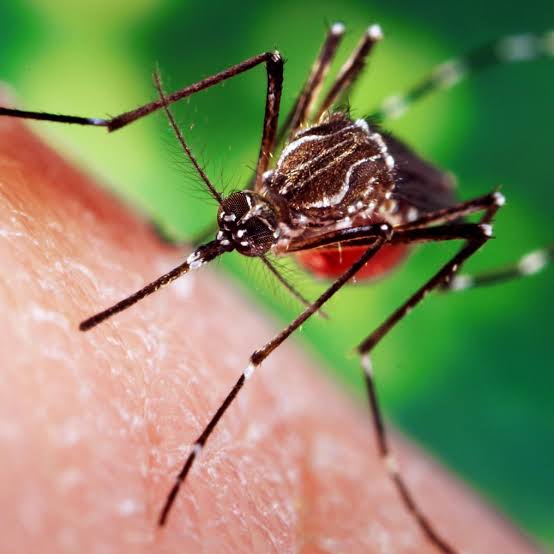
What Mosquitoes Can Do to Humans and Pets
Mosquito Health Risks and Service Trust — The Complete Guide