How to Get Rid of Standing Water Around Your Property
Last updated: September 10, 2026
Key Takeaways
- A common target is about 6 inches of drop over the first 10 feet, where the site allows.
- In the U.S., that means 811.
- The better move is to extend the discharge 5 to 10 feet away or into a proper collector.
- A simple downspout extension, cleaning, and minor regrading might be done in 2 to 4 hours.
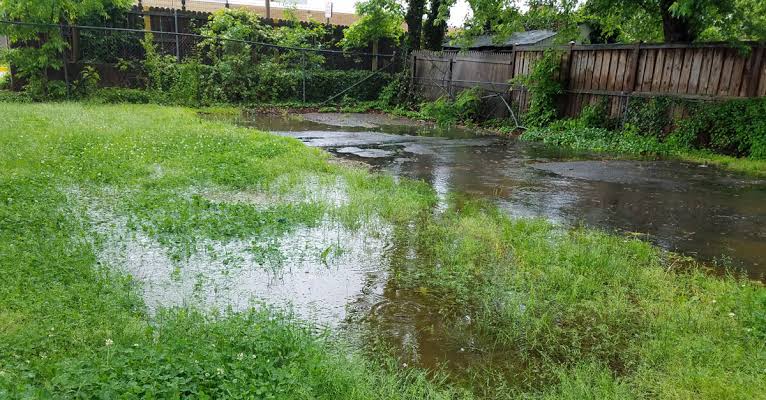
Standing water around a house usually has a plain cause: water is being trapped, redirected badly, or given nowhere legal to go. If you want to get rid of standing water around your property, start by finding the source, clearing the blockage or low spot, and sending runoff out through a proper outlet. This guide on how to get rid of standing water around your property is for homeowners dealing with puddles, soggy turf, mud near the foundation, or water that lingers 24 to 48 hours after rain. I’m assuming you can safely walk the yard, read a simple level, clear debris, and dig shallowly with hand tools or a trenching shovel. But if water is entering a basement, undermining a retaining wall, or coming from a failed sewer or water line, that is not a routine drainage patch; consult a qualified professional before you start moving soil.
What standing water usually means
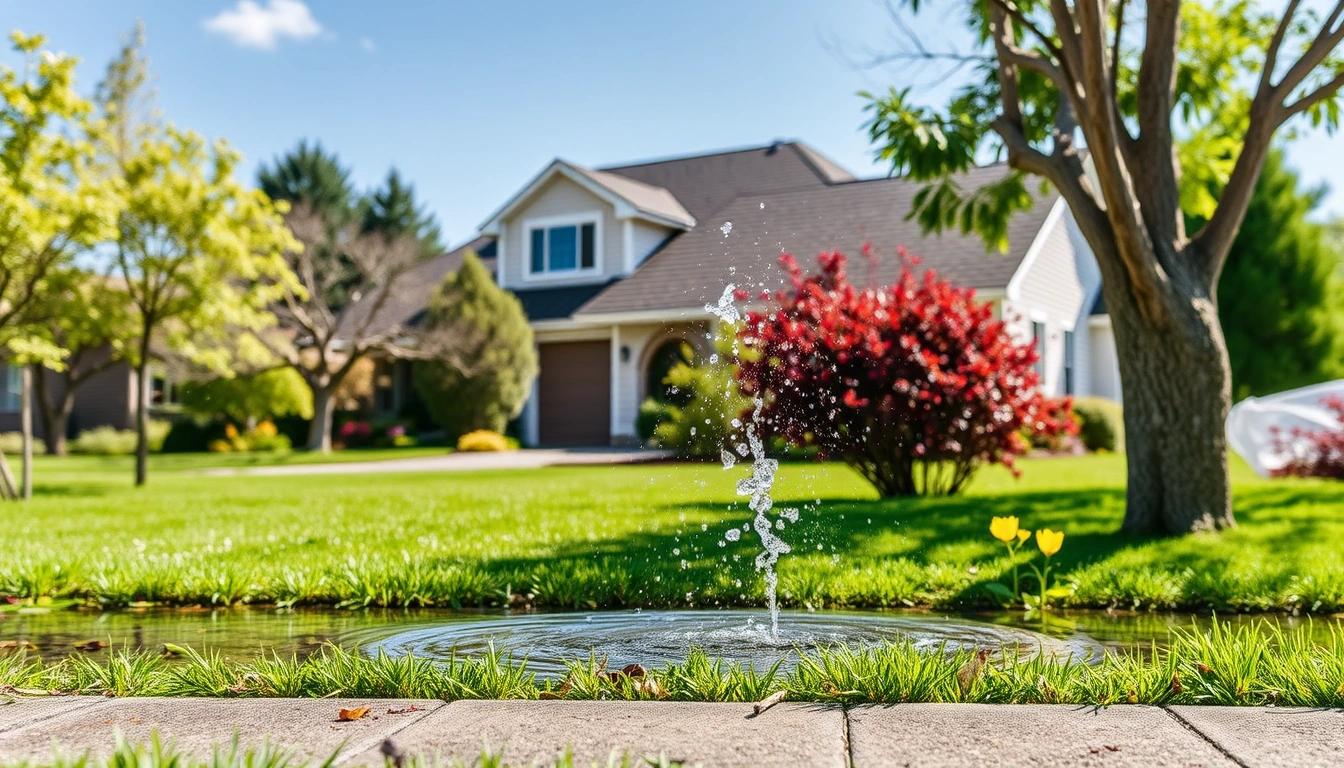
Standing water means the site has a drainage problem, not just an ugly puddle. The usual culprits are a low spot in the grade, compacted clay soil, a clogged downspout, a broken or undersized drain, or runoff being dumped onto the wrong part of the lot. In practical terms, if water remains 24 to 48 hours after a normal rain, the yard is not shedding water the way it should. That math stops working fast.
First, look at where the water collects relative to the house. Water within about 6 to 10 feet of the foundation matters most, because that is where it can load the footing, wet the basement wall, and spill into crawl spaces. A puddle out by the curb is annoying; one along the foundation line is a different animal.
A lot of generic advice says to “improve drainage” and leaves it there. Not helpful. What you need is a physical path with a consistent fall. Fall is the slope that lets water move by gravity. For surface water, even a modest slope can help, but continuity is the real test: a shallow swale, a downspout extension, a French drain, or a regraded strip must not end in a dip. If the water has no outlet, it will simply reappear at the low point.
I should be blunt about when this is not a weekend cleanup job. If your yard has sinkholes, sudden depressions, a sewer smell, discharge from a utility trench, or water flowing uphill from a neighbor’s property during storms, the issue may be beyond simple surface drainage. That calls for a more careful diagnosis than “add gravel and hope.” In those cases, the wrong fix can trap water closer to the house or send it onto someone else’s property, which can create a new dispute instead of solving the old one. For drainage issues tied to a foundation, a sinkhole, or a suspected utility problem, consult a licensed plumber, civil engineer, or foundation contractor before digging.
How do I get rid of standing water around my property?
You get rid of it by tracing the water from source to exit and clearing each bottleneck in sequence. Start with the cheap, obvious stuff: roof runoff, compacted soil, and low spots. The order matters. Many yards need one correction, not a full drain system.
- Watch the water during rain or right after it stops. Trace where it starts pooling, where it enters from hard surfaces, and where it stalls. Mark the edges with landscape flags or spray paint, using 10-foot intervals if the area is large. Verify that you are seeing a real flow path, not just one isolated puddle. If you cannot identify a path, the problem may be a hidden break or a perched water table.
- Check every gutter and downspout. Clean gutters, clear elbows, and make sure each downspout discharges at least 5 to 10 feet from the foundation, farther if the lot slopes back toward the house. Verify that water does not dump at a corner, splash against siding, or disappear into a disconnected pipe. If a downspout extension keeps blowing off or draining into a soaked area, the problem is the outlet, not the roof.
- Measure the slope away from the house. Use a 4-foot level, a line level, or a laser level to confirm the ground falls away from the foundation. A common target is about 6 inches of drop over the first 10 feet, where the site allows. Verify that no section creates a back-slope toward the wall. If you find a hollow against the foundation, regrading is needed before any drain gets added.
- Open and clean shallow surface paths. If there is a natural swale, remove silt, leaves, and turf that choke it. A shallow swale is a gentle ditch that carries surface water; it should be broad, not a sharp trench. Aim for a smooth bottom and enough slope that water does not sit in the channel. If the swale backs up in several spots, it may be too flat, blocked, or ending without an outlet.
- Relieve compacted soil. On lawns that stay soggy, aerate with a core aerator or loosen the top 4 to 6 inches with a garden fork before topdressing lightly. Verify that water begins to infiltrate instead of sheeting across the surface. If the soil is heavy clay and the lawn turns to paste underfoot, do not keep adding fine material; that often seals the surface tighter.
- Extend and redirect roof and patio runoff. Add rigid or flexible extensions so water discharges onto a lower, stable area, not onto a driveway edge, planter bed, or paver seam. Keep the outlet visible unless you are tying into a proper drain line. Verify that the water leaves quickly after rain. If the extension empties into a spot that is already wet, you have moved the problem, not solved it.
- Install a subsurface drain only where surface fixes are not enough. A French drain is a gravel-filled trench with a perforated pipe that collects water below grade. Use it when surface water consistently saturates one strip of yard or a foundation-adjacent zone. Verify the trench has continuous fall to daylight, a storm connection where allowed, or a sump. If the pipe has nowhere to drain, it will fill and stay full.
- Finish with topsoil and cover that match the drain path. Shape the finished grade so water can leave, then stabilize it with turf, mulch, or erosion control blanket as needed. Verify after the next rain that the low spot no longer forms. If you see fresh erosion, the outlet is too concentrated or the slope is too steep at one point.
The common mistake is starting with a French drain because it sounds technical. That is often the wrong first move. A drain line cannot fix a back-pitched yard or a downspout that pours 500 gallons into one corner during a storm. Surface grading and runoff control come first because they solve more problems with less digging.
A good result is simple: no puddle larger than a dinner plate remains after a normal rain, the soil is firm enough to walk on without sinking, and water does not collect against the foundation line. If you still have water after two rain cycles, the site needs another look. For a related fix, see how to improve yard drainage, how to extend a downspout, and French drain basics.
What should I check before I dig?
Before you cut a trench or move significant soil, check where utilities, outfalls, and property boundaries are. A drainage project becomes expensive fast if you strike a buried line or send water to a place the city, county, or neighbor will not accept.
Call the local utility marking service before any digging deeper than a few inches. In the U.S., that means 811. Even a shallow French drain can cross electric, gas, communication, irrigation, or service laterals. The marks are not a suggestion. They tell you where not to trench, and they may change the layout entirely. See Call 811 before you dig before starting.
Next, check the discharge point. A drain needs a lawful, practical outlet: daylight on a downslope, a dry well where allowed, a storm drain connection where permitted, or a sump pump discharge route. I would not rely on a gravel pit or an unlined hole unless local rules allow it and the soil drains well enough to absorb the volume. Clay soil often does not. A dry well in tight soil can simply become a buried bathtub.
Look for roof leaders, driveway drains, neighbor runoff, and retaining walls. Water that arrives from uphill often overwhelms a small fix. If a neighbor’s grade is sending sheet flow across your lot, your solution may be a swale, a curb-like barrier, or a drainage agreement rather than a simple trench. Check local drainage and property rules before redirecting flow off-site.
Soil type matters too. Sandy soil drains faster and responds better to grading and aeration. Heavy clay usually needs more deliberate surface shaping and, in some cases, a subsurface line. A hardpan layer 6 to 12 inches below grade can create a perched water table, which means water sits above a dense layer instead of soaking downward. In plain English: “just dig deeper” is a poor plan.
The short version: know what you are connecting to before you start cutting. A drainage fix that has no outlet or violates local rules is not a fix; it is a future failure with a neat trench.
The mistakes that make standing water worse
The biggest errors are predictable, and each one makes the next rain harder to handle. Avoid these before spending money on a drain system.
Adding gravel to a puddle and calling it drainage. Gravel on top of wet soil may hide the water but does not move it. The consequence is a soggy layer underneath and a false sense of progress. The better move is to correct slope or install a drain with an actual outlet.
Directing downspouts into a low bed or paved joint. This concentrates runoff where the ground already fails. The result is erosion, settled pavers, or a wet foundation corner. Better move: extend the discharge 5 to 10 feet away or into a proper collector.
Digging a trench without checking fall. A drain line with no slope becomes a pipe full of stagnant water. The consequence is odor, sediment buildup, and no real relief. The answer is to verify continuous drop before you lay pipe.
Filling low spots with rich topsoil only. Topsoil settles, especially if placed thickly. The consequence is a new hollow after the first season of rain. The better move is to build grade in thin lifts and compact lightly as appropriate.
Using a French drain where surface water is the real problem. A subsurface line is slower and more expensive than regrading a shallow swale. The consequence is overbuilding and sometimes still having water on top. The better move is to fix the visible flow path first.
Ignoring what happens after the outlet. Water that leaves one spot but erodes another can undermine paths, patios, and fence posts. The consequence is a new repair. The better move is to spread or armor the outlet with proper splash control, rock, or a daylight discharge onto stable ground.
I take a simple position here: if you have not solved gutters, grading, and outlet location, a drain trench is usually premature. That is wrong for a lot of do-it-yourselfers because the drain looks like the “real” fix, but the real fix is usually upstream.
When is the standard fix not the right one?
The standard fix is not the right one when the water source, the soil, or the setting changes the job entirely. In those cases, stop the routine approach and choose a different path.
Water is entering a basement, crawl space, or slab edge: this is no longer a yard nuisance — it can damage finishes, framing, or the foundation system. The answer is to identify the source and use a basement waterproofing or foundation drainage strategy, not just surface grading.
The puddle appears in the same spot even during dry weather: that suggests a leaking pipe, irrigation line, or spring, not storm runoff. The answer is to locate the source before you dig a drain that cannot keep up with a continuous leak.
The ground suddenly dropped or formed a sinkhole: that can indicate soil washout or a utility problem. Stop disturbing the area and get it evaluated before collapse spreads.
The water smells like sewage or the area is near a septic system: that may be a sanitary failure, which needs a different fix and different handling. Keep people off the area and arrange proper inspection.
The property is at the bottom of a slope or near a retaining wall: runoff may be arriving from off-site and may exceed what a small homeowner drain can handle. Think in terms of diversion, swales, and engineered drainage, not a shallow trench alone.
The site is nearly flat with heavy clay and no downhill outlet: a passive drain may not move water at all. Rely more on regrading, infiltration where feasible, or a sump with pumped discharge.
These are not rare edge cases. They are the spots where a generic “install a French drain” article falls apart. For the larger cases, a drainage professional can tell you whether surface regrading, a sump, or a foundation system makes sense.
How long does it take to fix standing water?
It can take one afternoon for a downspout correction or several days for grading and drain work, depending on how much soil has to move. A simple downspout extension, cleaning, and minor regrading might be done in 2 to 4 hours. A shallow swale or a short French drain trench can take a full weekend if the path is clear. A more involved system with a sump, pump, or long outlet line can stretch beyond that.
The timing matters because standing water fixes are usually iterative. I would not expect the first pass to be final on a badly shaped yard. The useful benchmark is the next rain. If the puddle shrinks, shifts, or drains faster, you are moving in the right direction. If nothing changes, stop repeating the same fix and recheck slope, outlet, and blockage.
A good result is not “the ground looks dry immediately.” Soil holds moisture after rain. What you want is no standing water, no mud path at the foundation, and no erosion at the outlet after a normal storm. If the area still squishes underfoot for days, the site is either too flat, too compacted, or receiving too much water from elsewhere.
I would also budget for a second visit to the site after the first storm, because how to get rid of standing water around your property is often decided by what happens after the first correction rather than during the work itself. For broader help, see yard drainage solutions and foundation drainage guide.