What Mosquitoes Can Do to Humans and Pets
Last updated: September 10, 2026
Key Takeaways
- Identify the exposure window: note when and where the bite likely happened, ideally within 24 hours.
- Verify whether the lesion is shrinking after 24 to 72 hours.
- The local reaction is the most familiar: a raised, itchy bump that usually peaks within 24 to 48 hours.
- What a generic article often misses is that mosquito bites are only the entry point.
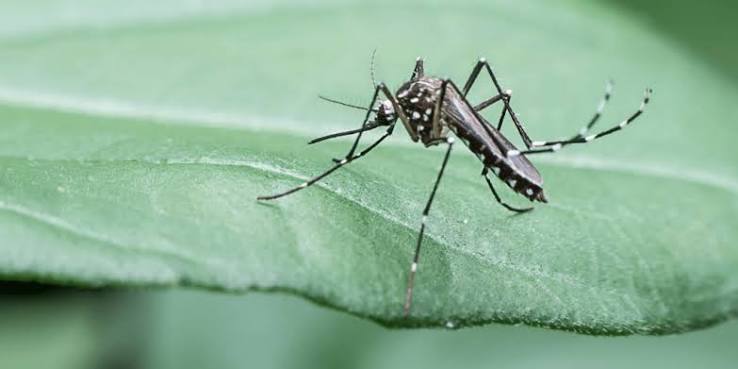
Mosquitoes do more than leave itchy welts. In discussions of what mosquitoes can do to humans and pets, they can spread disease to people and animals, set off allergic reactions, and — in pets — lead to serious heart and skin problems. Short version? The real danger is not the bite itself; it is what a mosquito can carry into the blood.
Who this is for, and what I am assuming you already know
This is for anyone who has been bitten, lives in a mosquito-heavy area, or worries about a dog, cat, horse, or other pet getting sick after mosquito exposure. I’m assuming you already know the nuisance part: mosquitoes bite, the bites itch, and they show up more when water sits around after rain. I am not assuming you know which illnesses matter, which animals are at risk, or when a bite is just a bite.
I’m also assuming you want practical guidance, not a scare story. For most healthy adults, a few mosquito bites cause local itching and redness for a day or two. Normal stuff. The serious cases are tied to mosquito-borne infection, unusually strong allergic reactions, or repeated exposure where mosquito control is poor.
This is not a substitute for veterinary or medical care when symptoms go beyond a simple bite. If a person has trouble breathing, facial swelling, confusion, a stiff neck, high fever, or a rapidly spreading rash, that needs prompt medical attention. If a pet becomes weak, coughs, vomits, has pale gums, collapses, or stops eating after mosquito exposure, consult a veterinarian or other professional promptly; I would treat that as a veterinary problem, not a home-care problem. See the CDC on allergic reactions and emergency warning signs, and the American Veterinary Medical Association and American Heartworm Society on heartworm concerns. https://www.cdc.gov/healthyschools/bam/be-safe/bug-bites.htm https://www.heartwormsociety.org/pet-owner-resources/heartworm-basics https://www.avma.org/resources/pet-owners/petcare/heartworm-disease-pets
One thing deserves attention right away: mosquitoes affect humans and pets differently. Dogs are the big heartworm concern; cats can get heartworm too, but it behaves differently in them. Horses, birds, and some other animals face their own mosquito-borne threats. A generic “bug bite” mindset misses that point.
What mosquitoes can do to humans
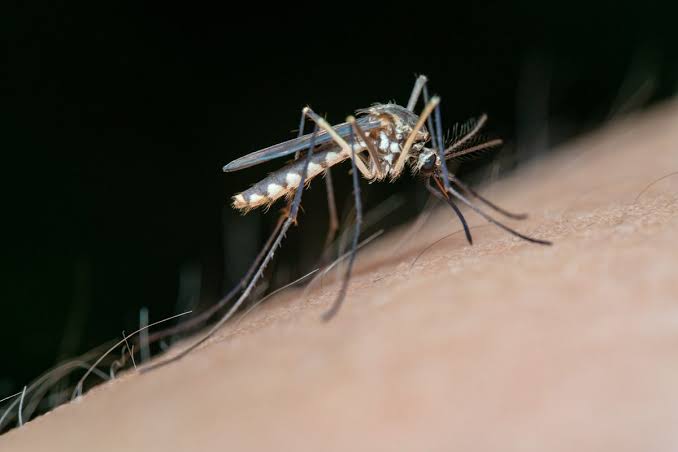
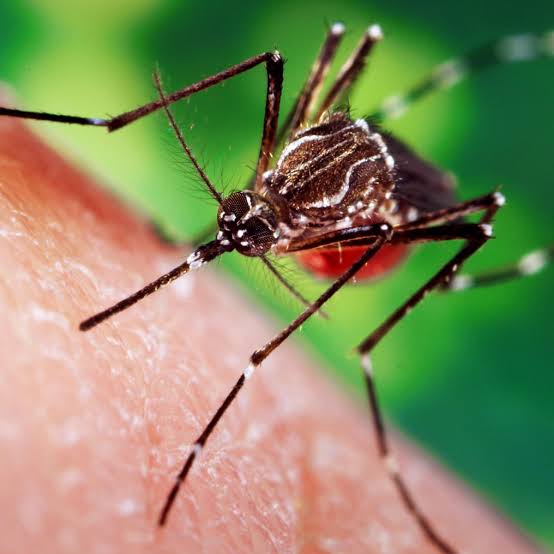
Mosquitoes can cause local skin reactions, transmit infections, and, in rare cases, set off severe immune responses. The local reaction is the familiar one: a raised, itchy bump that usually peaks within 24 to 48 hours. That comes from the body’s reaction to mosquito saliva, not from the bite wound itself.
For humans, the main concern is mosquito-borne disease. The exact list depends on where you live and travel. In some regions, mosquitoes can spread West Nile virus, dengue, Zika, chikungunya, malaria, or yellow fever. The Centers for Disease Control and Prevention keeps current guidance on mosquito-borne diseases in the United States and travel-related risk. If you want a reliable starting point, I would use the CDC’s mosquito-borne disease pages and the World Health Organization’s arboviral disease pages rather than a random blog. https://www.cdc.gov/mosquitoes/mosquito-bites/index.html https://www.who.int/news-room/fact-sheets/detail/dengue-and-severe-dengue
The term arbovirus means an arthropod-borne virus, usually spread by mosquitoes or ticks. Why does that matter? Because symptoms can begin like a routine flu: fever, headache, body aches, nausea, or rash. Some infections stay mild. Others can affect the nervous system, pregnancy, or organs. Zika is a well-known example because infection during pregnancy can harm the fetus. Malaria is caused by a parasite, not a virus, but mosquitoes still carry it in many parts of the world.
A generic article often leaves out the timing problem. Symptoms may not show up right away, and in some mosquito-borne illnesses they can take several days to weeks. That delay can make the bite easy to forget and the infection easy to miss. It also means a person should not dismiss a new fever just because the bite looks old.
There is another human risk that is smaller but real: allergic reactions. A large swollen bite, hives, or intense itch can happen in people who are sensitive to mosquito saliva. A rare condition called Skeeter syndrome can produce dramatic swelling and redness that resembles cellulitis, which is a bacterial skin infection. The distinction matters because insect-bite inflammation and cellulitis are treated differently, so if swelling is spreading, hot, painful, or paired with fever, consult a clinician for evaluation. https://www.cdc.gov/healthyschools/bam/be-safe/bug-bites.htm
What mosquitoes can do to pets
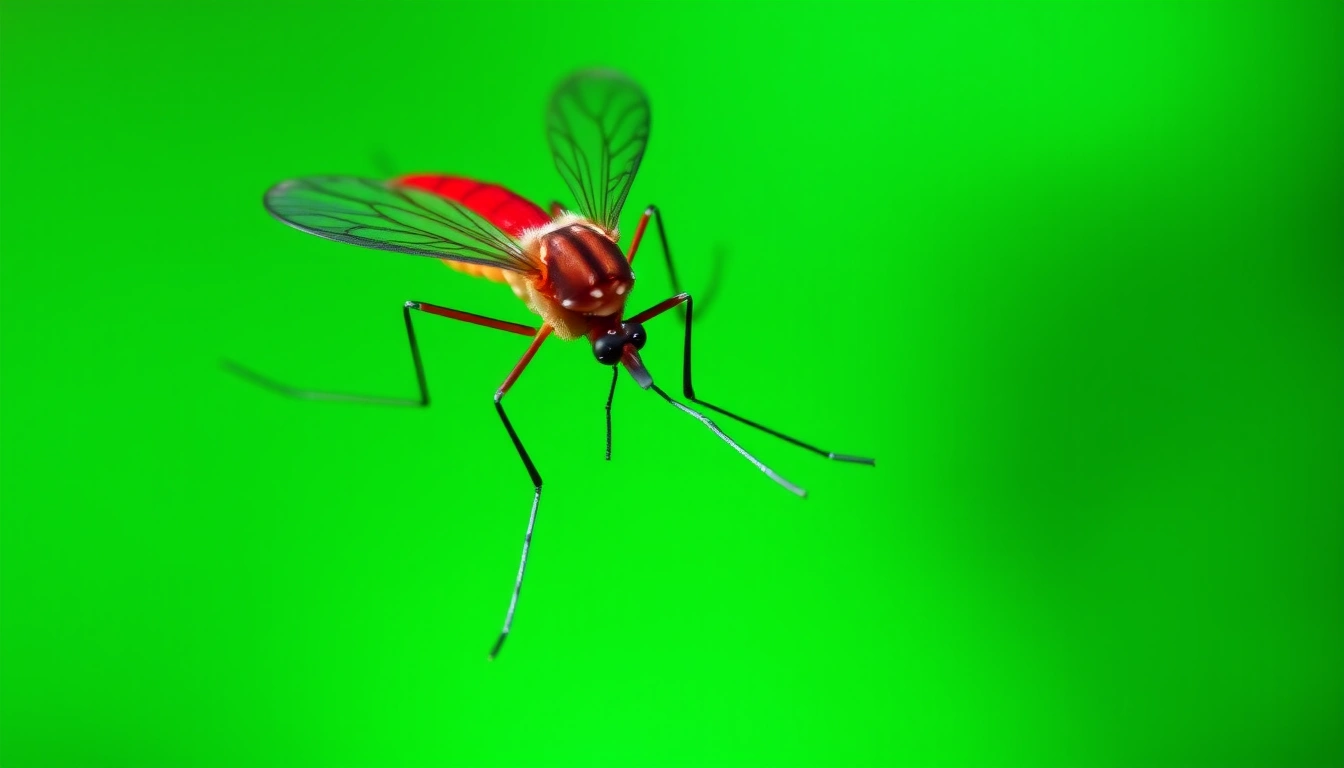
Mosquitoes can infect pets with heartworm, irritate their skin, and, depending on the species and region, expose them to other blood-borne pathogens. In everyday veterinary practice, the biggest pet risk is heartworm disease in dogs, caused by Dirofilaria immitis. Mosquitoes pick up microscopic larvae from an infected animal and pass them to the next host. Those larvae mature into worms inside the body and can damage the lungs, heart, and blood vessels.
Dogs are the classic risk group, but cats are not immune. Cats usually carry fewer worms, yet they can still become very sick. A cat may develop coughing, vomiting, labored breathing, or a sudden collapse. In cats, even a small number of worms can cause major problems. That is one reason I would not treat “my cat stays indoors” as a free pass if mosquitoes can get inside the house; consult a veterinarian if there is any exposure concern. https://www.heartwormsociety.org/pet-owner-resources/heartworm-basics
Horses face mosquito-borne viral diseases such as West Nile virus in some areas. Birds can be affected too. The point is simple: “pet” is not one category, and the mosquito risks are not identical across animals. A horse in a stable, a dog on a backyard lawn, and a cat near an open window do not need the same level of concern, but none of them should be ignored.
What a generic article often misses is that mosquito bites are only the entry point. The harm shows up later, after parasite development or viral replication. So the pet issue is not just “itchy skin.” Heartworm prevention exists because once an infection is established, treatment is harder, riskier, and more expensive than prevention. I cannot quote a universal price because it varies by drug and region, but heartworm preventives can cost roughly $5 to $20 per month in some U.S. markets, while treatment for advanced heartworm disease can run into hundreds to thousands of dollars; ask a veterinarian about local pricing and options. https://www.heartwormsociety.org/pet-owner-resources/heartworm-basics https://www.avma.org/resources/pet-owners/petcare/heartworm-disease-pets
For a reliable veterinary reference, I would look at the American Heartworm Society and the American Veterinary Medical Association. They explain why prevention matters and how mosquitoes fit into the life cycle.
How a mosquito bite becomes a human or pet problem
A bite turns into a problem when saliva, parasites, or viruses get a chance to do more than cause a brief skin reaction. The process is straightforward. The details are not.
- Identify the exposure window: note when and where the bite likely happened, ideally within 24 hours. Verify whether you were in standing water, dusk-to-dawn outdoor conditions, or an area known for mosquitoes. A problem is more likely if multiple bites appear after one evening outside.
- Inspect the skin or coat carefully: look for a single bump, multiple bites, or swelling larger than about 5 cm across. Verify whether the area is itchy more than painful. Pain, heat, or rapid expansion suggests something beyond a simple bite.
- Watch the next 48 hours: for humans, monitor for fever, headache, rash, joint pain, eye pain, or fatigue; for pets, watch for coughing, weakness, breathing changes, vomiting, or loss of appetite. A problem is indicated if symptoms go beyond local itch or redness.
- Check for mosquito access at home: inspect screens, open windows, pet doors, and standing water in trays, buckets, gutters, and flowerpots. Verify whether mosquitoes can enter or breed near sleeping areas. Repeated bites indoors mean the source is still present.
- For dogs, confirm heartworm prevention status: check whether prevention is current on the schedule your veterinarian recommended, usually monthly for many preventives. A missed dose or a long gap raises risk, especially during mosquito season.
- For cats, do not assume indoor living removes risk: verify whether mosquitoes can enter through doors, screens, or travel. A problem is more likely in homes with open windows or heavy insect pressure, because even brief exposure can matter.
- Document anything unusual: take a photo of swelling, record the date, and note temperature if fever develops. Verify whether the lesion is shrinking after 24 to 72 hours. If it keeps enlarging, that points away from a routine reaction.
- Escalate based on symptoms, not guesswork: if a person develops systemic symptoms or a pet shows breathing trouble or collapse, seek medical or veterinary care promptly. The warning sign is a change in whole-body function, not just a more annoying bite.
The key distinction is between a local reaction and a systemic one. Local means skin-limited. Systemic means the whole body is involved. That is the line between home care and urgent evaluation.
What should make me worry after a mosquito bite?
You should worry when the bite is followed by fever, breathing trouble, neurological symptoms, or rapidly worsening swelling. That is the cleanest rule I can give, because it separates ordinary irritation from possible infection or allergy.
For humans, a fever after mosquito exposure is not something I would shrug off, especially if it comes with rash, headache, joint pain, eye pain, or neck stiffness. Those symptoms can overlap with dengue, West Nile virus, or other mosquito-borne illnesses depending on location. A child, pregnant person, older adult, or immunocompromised person should be assessed more quickly because the margin for delay is smaller.
For pets, coughing, hard breathing, fainting, vomiting, or unusual fatigue matters far more than the bite mark itself. Heartworm in dogs and cats does not announce itself with a big skin lesion. It starts quietly. By the time a pet is coughing or struggling to breathe, the disease may already be advanced enough to require testing and treatment planning.
I would also worry about a bite if the swelling is spreading well beyond the original spot, especially if the area becomes hot, painful, or red streaks appear. That can mean a bacterial skin infection or a severe local reaction. The presence of pus, a deep wound, or warmth argues against simple mosquito irritation.
A useful threshold is time. If a presumed bite is not improving after 2 to 3 days, or if it is getting worse instead of better, the “just a bite” explanation gets weaker. That does not prove danger, but it does mean the story has changed and needs attention. Honestly, that’s where people get fooled.
The mistakes people actually make
People make the same handful of mistakes, and each one has a cost.
-
They assume every itchy bump is harmless. The consequence is missed infection or delayed care. The correct alternative is to watch for fever, spreading redness, breathing issues, or unusual fatigue.
-
They treat pet bites like a skin problem only. The consequence is missing heartworm risk, especially in dogs and cats. The correct alternative is to keep pets on veterinarian-recommended prevention and ask about testing if prevention has lapsed.
-
They ignore indoor mosquitoes. The consequence is repeated exposure at night, which keeps the problem going. The correct alternative is to fix screens, remove standing water, and check door gaps and pet-entry points.
-
They confuse allergic swelling with infection. The consequence is either unnecessary antibiotics or delayed treatment. The correct alternative is to note whether the area is itchy and swollen versus painful, hot, and progressively spreading.
-
They wait for “proof” before acting. The consequence is losing time on diseases that start subtly. The correct alternative is to respond to symptom patterns, not to wait for a visible reason.
-
They assume one mosquito species behaves like another. The consequence is underestimating regional risk. The correct alternative is to follow local public health guidance, because the disease profile in one county or country may be very different from another.
When the standard advice does not apply
The usual advice changes in a few important situations, and those are the ones a generic article often misses.
Pregnancy: mosquito-borne infection can affect the fetus in some diseases — use extra avoidance measures and contact a clinician promptly if fever or rash develops.
Travel to a malaria, dengue, or yellow-fever area: local mosquito risk may be much higher than at home — review destination-specific guidance before travel rather than after symptoms start.
Dogs with no prevention for more than 30 days in a mosquito season: heartworm risk is no longer theoretical — arrange veterinary advice about testing and restarting prevention.
Cats with breathing changes after exposure: cats can have severe disease with small worm burdens — treat coughing or open-mouth breathing as urgent.
Homes with standing water after rain: the breeding source may be on-site — remove water within 24 to 48 hours and check gutters, planters, buckets, and drain pans.
Those are not edge cases in the abstract. They are the moments when the default “it’s just a bug bite” approach stops being enough.
How to reduce the harm mosquitoes can do
The best way to reduce harm is to cut off the mosquito before it bites and before it breeds. That sounds obvious, but the useful details are easy to miss.
Use physical barriers first: intact window and door screens, closed pet doors at night, and long sleeves or bedding nets where mosquitoes are active. If you live in an area with known mosquito-borne disease, that matters more than fragrance, candles, or folklore remedies. Mosquitoes are not impressed by scented products.
Remove standing water at least once a week, and sooner after rain if possible. That includes buckets, birdbaths, planters, clogged gutters, tarps, and anything that holds a small puddle. Mosquitoes need water to breed. If the water stays, the population grows.
For dogs and cats, keep prevention on the schedule a veterinarian recommends. For dogs, that often means monthly heartworm prevention, though the exact product and timing depend on the animal and region. For cats, prevention is discussed less often than for dogs, but mosquitoes still matter. If a pet has already had a lapse in prevention, do not guess at the next step; ask a vet about timing and testing.
I would not make a product purchase the center of this decision, because the real answer is prevention plus vigilance. If you do buy a preventive, the price and dosing schedule vary by product, species, and weight, so compare the monthly cost with your veterinarian or local pharmacy before choosing. A simple comparison:
| Purpose | Typical frequency | Example cost range | Notes |
|---|---|---|---|
| Dog heartworm preventive | Monthly | about $5 to $20/month | Ask a vet about species, weight, and local resistance concerns |
| Cat mosquito/heartworm prevention | Monthly or as directed | varies by product and region | Use only veterinary-approved products for cats |
| Standing-water cleanup | Weekly | $0 | Remove water from buckets, gutters, planters, and trays |
Current guidance from the CDC, WHO, American Heartworm Society, and AVMA supports prevention, source control, and prompt evaluation when symptoms go beyond a routine bite. https://www.cdc.gov/mosquitoes/mosquito-bites/index.html https://www.who.int/news-room/fact-sheets/detail/dengue-and-severe-dengue https://www.heartwormsociety.org/pet-owner-resources/heartworm-basics https://www.avma.org/resources/pet-owners/petcare/heartworm-disease-pets