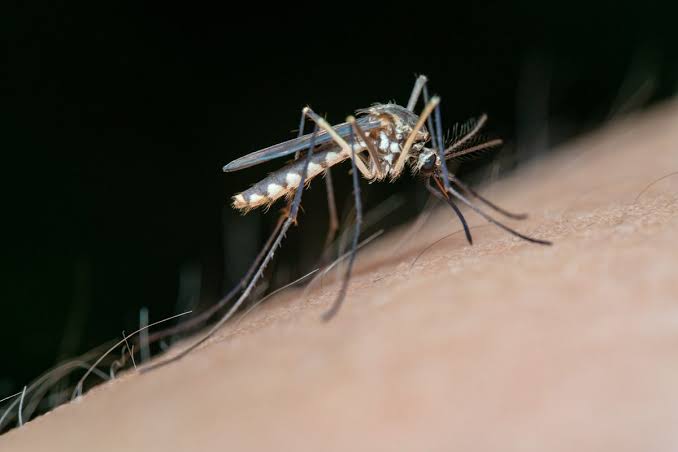
Are Mosquito Sprays Safe for Kids, Pets, and Landscaping?
Last updated: September 10, 2026
Key Takeaways
- A professional should ask what is in bloom, where runoff goes, and whether irrigation will be on within 24 hours.
- Those are the settings where a generic “yes, it’s fine” answer fails.
- For pets, dogs are the easier case and cats are the harder one.
- Let children, cats, dogs, and backyard poultry stay inside or in another enclosed area.
Mosquito sprays can be safe for kids, pets, and landscaping when they are used the way the label says, but “safe” is not the same as “harmless.” So if you are asking are mosquito sprays safe kids, pets, landscaping?, the real question is which active ingredient is being sprayed, how it is applied, how long people and animals stay out of the area, and whether the yard has water, pollinator plants, or sensitive pets. I would treat a mosquito spray like any other pesticide: useful when it is targeted and predictable, risky when it is overused or sprayed carelessly. Honestly, that trade-off is the whole story. If you are unsure, consult a licensed pest-control professional and check the EPA label guidance.
Who this applies to — and what it assumes
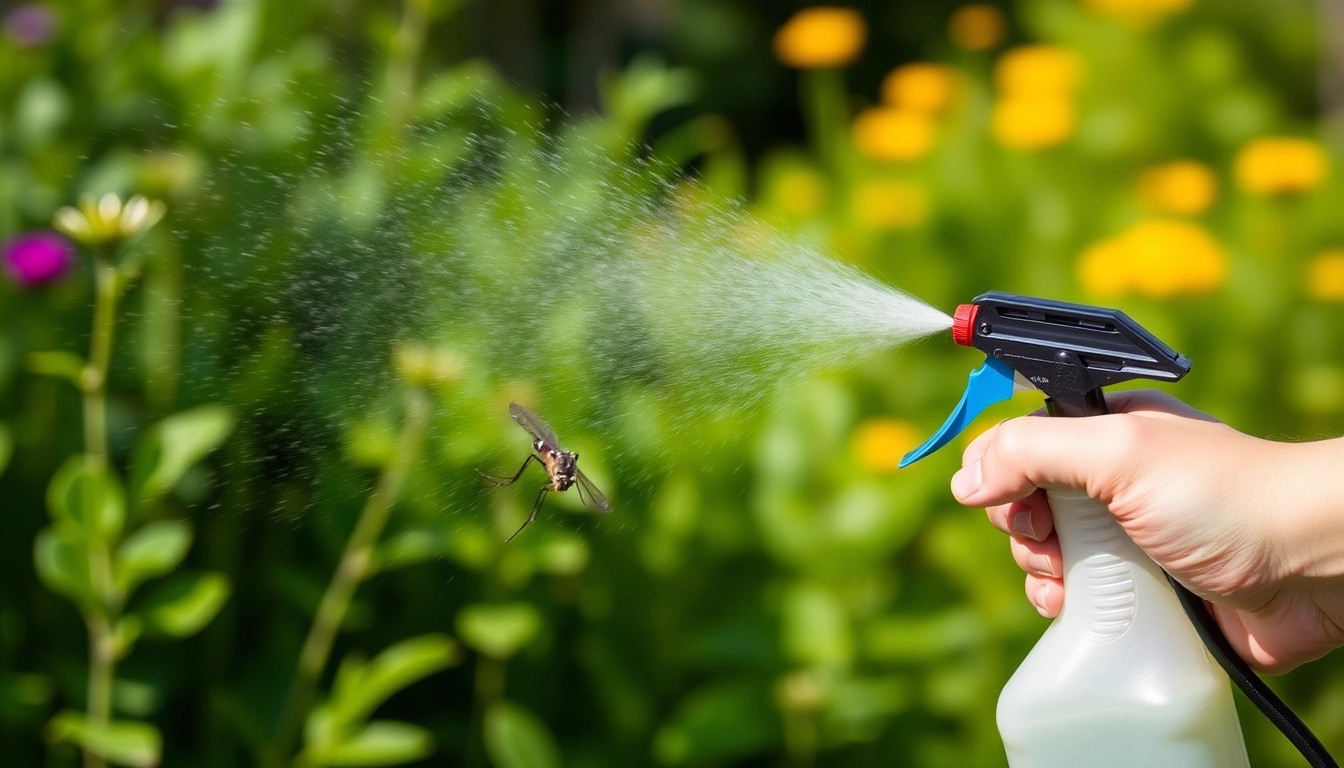
This applies to a homeowner deciding whether to call a mosquito-control company, schedule a one-time spray, or keep using a yard treated by a contractor. I’m assuming you already know the basics: mosquitoes bite at dusk, standing water breeds them, and “spray” can mean a backyard perimeter treatment, a fogger, a backpack mist, or a granular product on the lawn; if that is not clear in your case, consult a professional and verify the label.
If you have infants, a child with asthma, a dog that licks everything, a cat that roams, koi or a pond, or a yard full of bees and butterflies, you need to pay closer attention than the average homeowner. Those are the settings where a generic “yes, it’s fine” answer fails. Full stop.
I am not going to pretend every spray is equally safe. Pyrethroids such as permethrin, bifenthrin, lambda-cyhalothrin, and deltamethrin behave differently from botanical sprays and from insect growth regulators like pyriproxyfen. The EPA’s pesticide label is the controlling document in the U.S.; if a contractor says something vague that conflicts with the label, that is a problem, not a reassurance. You can find public guidance on pesticide safety through the U.S. Environmental Protection Agency and poison-control resources such as Poison Control.
The short answer is this: mosquito spraying is usually a manageable household service, not a DIY gamble, but it is wrong for people who want a “spray everything and forget it” solution. If the plan involves overspray onto vegetables, flower beds buzzing with pollinators, or a backyard pond, I would slow down and ask for the exact product name and label directions before anyone starts. That part matters.
What makes a mosquito spray safer or riskier?
Mosquito sprays are safer when they are applied as a directed barrier treatment and riskier when they are broadcast over large areas, used too often, or mixed with poor housekeeping around water and pets. If you are asking are mosquito sprays safe kids, pets, landscaping?, the active ingredient matters, but so do droplet size, drift, and re-entry time.
A contractor should be able to tell you the product family, not just “bug spray.” Pyrethroids are common in residential mosquito work because they knock down flying insects and leave a residual on foliage and shaded surfaces. That residual is part of the benefit and part of the risk: it can also affect beneficial insects if it lands where they feed. Botanical products like oil of lemongrass or garlic-based repellents tend to break down faster, but shorter persistence means more frequent reapplication and less control. “Natural” does not automatically mean safer for a toddler, a cat, or a pond. Not even close.
I would also watch for the formulation. A coarse spray aimed at eaves, shrubs, and the shaded underside of leaves is different from a fine fog that drifts. Drift is the part that turns a targeted job into a neighborhood annoyance. If the company mentions “ultra-low volume” or ULV fogging, that is a real term of art: it means very small droplets designed to hang in the air. That can help in some settings, but it also raises concern around breathing exposure and off-target deposition, especially in still evening air.
For landscaping, the key distinction is contact versus residue. Many ornamental shrubs tolerate a labeled mosquito treatment without visible damage, but tender annuals, open blooms, and edible crops deserve more caution; if you are asking are mosquito sprays safe kids, pets, landscaping?, a licensed applicator should inspect the yard before treatment. A professional should ask what is in bloom, where runoff goes, and whether irrigation will be on within 24 hours. If nobody asks, I would consider that a sign of a sloppy service, not a normal one.
Are mosquito sprays safe for kids and pets?
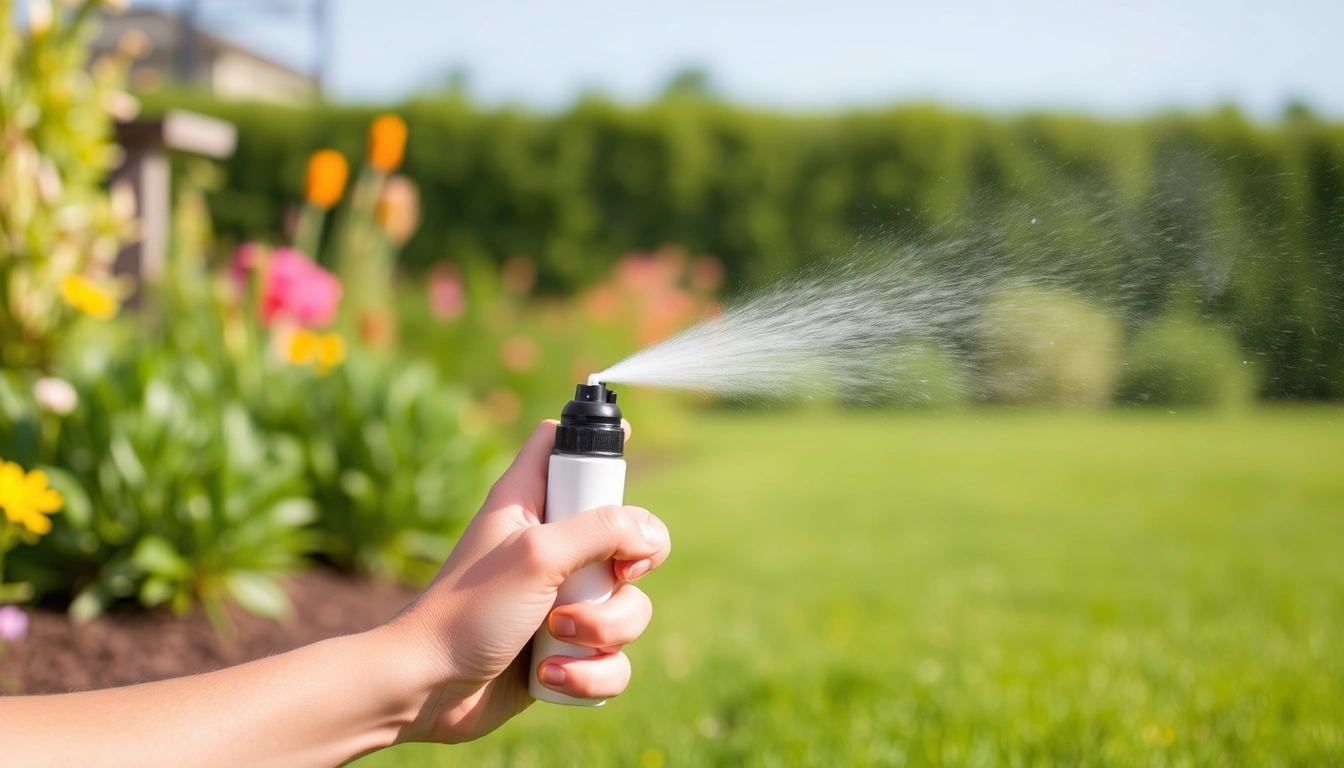
They can be, if kids and pets are kept off treated surfaces until the label’s re-entry interval has passed and the product is used at the labeled rate. If you are asking are mosquito sprays safe kids, pets, landscaping?, the most common harm I worry about is not dramatic poisoning; it is avoidable exposure from wet surfaces, hands in grass, paws on patio stones, or a pet drinking from rinse water.
For children, the practical issue is contact. A child crawls, touches railings, and puts fingers in the mouth. If a yard was sprayed and the label says keep people and pets out until dry, that usually means exactly that: wait until surfaces are dry to the touch and any specific time window on the label has passed. In many residential treatments that can be a few hours, but I would not rely on a generic number because labels differ. If a company cannot tell you the exact re-entry guidance for the product they used, that is a red flag. Simple as that.
For pets, dogs are the easier case and cats are the harder one. Dogs usually come back into a treated yard once the product is dry and the applicator’s instructions are followed. Cats are more likely to groom residues off fur and are often more sensitive to certain pesticides, especially concentrated flea and tick products used incorrectly; mosquito sprays are a different category, but the “licks fur after contact” problem still matters. Birdcages, rabbit hutches, reptile enclosures, and fish tanks should be kept far from application zones. I would not let a contractor spray near a dog bowl, kiddie pool, or sandbox.
A good contractor will talk in terms of label compliance, not “it’s probably fine by dinner.” Ask these three things before anyone sprays: the active ingredient, the product label or EPA registration information, and the exact re-entry interval. If they cannot answer cleanly, do not let them improvise around your family’s routine.
How should a contractor apply mosquito spray around a yard?
A careful mosquito-control job should use a targeted perimeter treatment, keep drift low, and avoid water, blooms, and edible plants; in a typical yard, the work itself often takes 20 to 45 minutes, not half a day. The point is to coat the places mosquitoes rest—shaded hedges, undersides of leaves, fence lines, porch edges, and dense foundation plantings—without flooding the entire property. If you are asking are mosquito sprays safe kids, pets, landscaping?, the application method is usually what makes the difference. One sloppy pass changes everything.
- Walk the yard first and mark sensitive zones. Point out ponds, drains, vegetable beds, pollinator plants, play sets, pet bowls, and animal pens before a tank is filled. Verify the applicator names each no-spray zone back to you. A problem is any worker who starts spraying before the walk-through.
- Ask for the product name and active ingredient. Write down the label name, not just the company brand. Verify it is labeled for mosquito control and residential use. A problem is any answer like “just our standard mix,” which tells you nothing useful.
- Confirm the application method. Ask whether the job is a backpack sprayer, hand-held mister, or ULV fogger. Verify the goal is a directed barrier treatment, not a broad fog over the whole lot. A problem is visible clouding that drifts into neighboring yards.
- Keep people and pets out during application and until dry. Let children, cats, dogs, and backyard poultry stay inside or in another enclosed area. Verify surfaces are dry before re-entry. A problem is damp furniture, wet grass where paws and hands go first, or overspray on play equipment.
- Protect food plants and blooms. Cover or exclude vegetable gardens, herbs, and flowering plants if the label allows only limited ornamental use. Verify the applicator is aiming at foliage below bloom level, not open flowers. A problem is heavy spray on blossoms, which is rough on pollinators.
- Prevent runoff. Turn off irrigation for the day if the label or contractor advises it, and never spray right before a downpour. Verify gutters, drains, and slopes are not carrying product into stormwater. A problem is pooling at the base of walls or near a pond.
- Record when the yard can be used again. Note the application time and the return time the contractor gives you, plus any rain-delay instruction. Verify the schedule makes sense for your household routine. A problem is a vague answer with no time attached.
- Inspect after drying. Look for residue on patio furniture, toys, and hard surfaces. Verify there is no visible pooling or staining. A problem is slick surfaces or an odor so strong that normal outdoor use feels unpleasant; that suggests too much product or poor technique.
This is the part many generic articles skip: a good mosquito job is as much about restraint as it is about product. If the applicator is treating every leaf in sight, I would question the training. A better job is selective and boring, and that is usually the safer answer when people ask are mosquito sprays safe kids, pets, landscaping?.
Will mosquito spray hurt my landscaping?
It can, but usually only when it is sprayed too heavily, applied in heat, or aimed at plants the product was never meant to hit. Most mosquito treatments are not designed to kill mature shrubs or turf outright; the bigger landscaping problem is leaf spotting, blossom loss, and collateral damage to pollinators and beneficial insects. Ugly, really.
Tender annual flowers, ferns, and some herbs are the plants I would watch most closely. In hot weather, oil-based or concentrated spray residues can stress foliage. Morning dew, midday sun, and recent irrigation can all change how a spray sits on leaves. If a contractor says the same recipe works on roses, basil, and boxwood, that is too casual for my taste.
Landscaping also means soil and water movement. If your yard drains toward a creek, swale, French drain, or pond, you want a careful applicator who understands drift and runoff. The label may restrict use near aquatic habitats for good reason. And if your beds are heavy with bloom—milkweed, coneflower, lavender, salvia, or anything else that draws bees—you should ask whether spot treatment around the perimeter would solve the mosquito problem with less flower contact.
I would also flag lawns that are already stressed from drought, fresh sod, or herbicide use. A mosquito spray is not usually the main thing that injures turf, but stacking stresses can make the difference between a yard that recovers and one that looks patchy for weeks. If the service is being sold as “spray everything monthly,” I would ask how they plan to avoid the usual collateral damage before signing anything.
When should you stop and choose a different approach?
You should stop and choose a different approach when the spray would hit people, animals, water, or the wrong part of the yard. In those cases, mosquito spraying is the wrong tool or the wrong timing, not something to push through.
There is a pond, fountain, koi stock tank, or stormwater basin within the treatment area: runoff and direct overspray can harm aquatic life — skip a broad spray and ask for a perimeter-only plan or a non-spray control strategy.
Your child will be outside on wet grass within the next few hours: re-entry timing is too tight — reschedule the treatment or move the spray to a day when the yard can stay closed.
You keep free-roaming cats, rabbits, poultry, or reptiles outdoors: grooming, pecking, and contact make exposure harder to control — confine the animals or avoid treatment in that area.
The yard is full of flowering plants buzzing with bees or butterflies: broad spraying can hit pollinators directly — limit treatment to resting zones after bloom or use another control method.
The contractor cannot name the active ingredient, label name, or re-entry interval: you do not have enough information to judge risk — do not authorize the job until they can state it clearly.
Recent rain, heavy irrigation, or poor drainage is already washing water through the yard: the product may move off-target — delay treatment until the ground is dry enough and drainage is controlled.
Someone in the household has asthma, chemical sensitivity, or a history of reacting to sprays: even a legal, labeled product may be a poor fit — choose a lower-exposure method and discuss it with a clinician if you are unsure.
A bad mosquito job is not just one that “doesn’t work.” It is one that creates a new problem: slippery patios, dead blooms, a stressed pet, or a false sense of security that keeps the breeding water in place.
The mistakes people make, and what they cost
The biggest mistake is treating the yard instead of the source. Standing water in a planter saucer, clogged gutter, tarp fold, toy, or wheelbarrow breeds mosquitoes faster than many sprays can suppress them. The cost is repeated service calls and more chemical exposure than necessary. The fix is simple: dump, scrub, or cover water-holding items first. Easy.
Another common error is spraying in the heat of the afternoon. Heat can increase drift, odor, and plant stress, and some treatments lose effectiveness when they dry too fast. A better window is usually cooler, calmer weather, often early morning or evening, with light wind. I would ask a contractor why they chose the time they did.
People also let pets back out too soon. A dog on wet concrete or a child on damp play equipment gets far more exposure than a neighbor walking by the next day. The consequence is avoidable contact, not a theoretical risk. The correct alternative is to wait for full dry time and any label-specific interval.
A fourth mistake is over-spraying flower beds because “mosquitoes hide there.” They do rest in vegetation, but blasting open blooms and beneficial insects is a bad trade. The fix is to target shaded resting sites, not every flowering stem.
Finally, homeowners often hire for price alone. A cheaper bid may be cheaper because it is a single misting pass, no walk-through, no sensitive-zone protection, and no follow-up plan. If two quotes differ by a noticeable amount, ask what each one includes: product type, number of visits

Related Posts
Signs You Need Professional Mosquito Control Instead of DIY
What Mosquitoes Can Do to Humans and Pets