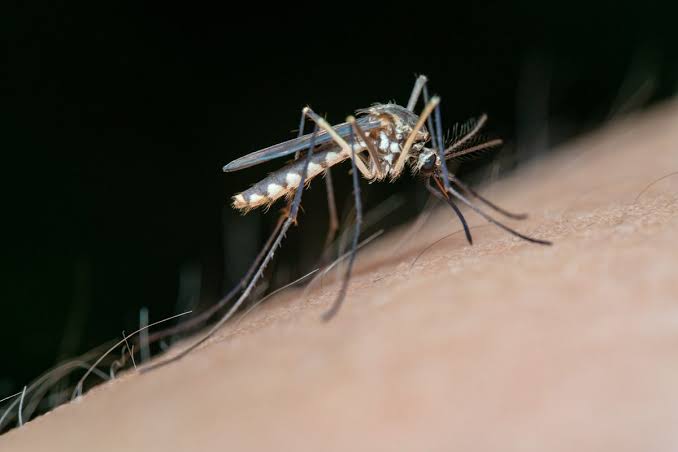
Mosquito Health Risks and Service Trust — The Complete Guide
Last updated: September 10, 2026
Key Takeaways
- Avoid exaggeration: claims that a yard is “100% mosquito free” are not realistic.
- Walk the property at sunrise or just before dusk for 10–15 minutes.
- Clean gutters and downspouts so water moves freely within 24 hours after rain.
- Fix drainage spots that hold water longer than 48 hours.
Mosquitoes are not just a nuisance. They are a health problem. And the real question in this mosquito health risks service trust — complete guide is simple: how do you cut the risk without handing the job to the wrong company? Here’s the blunt answer. If mosquitoes breed near standing water, gather in shaded yards, or show up indoors at dusk, you need a plan built on source control and honest service claims. Not hype.
Who this guide is for — and who should do something else
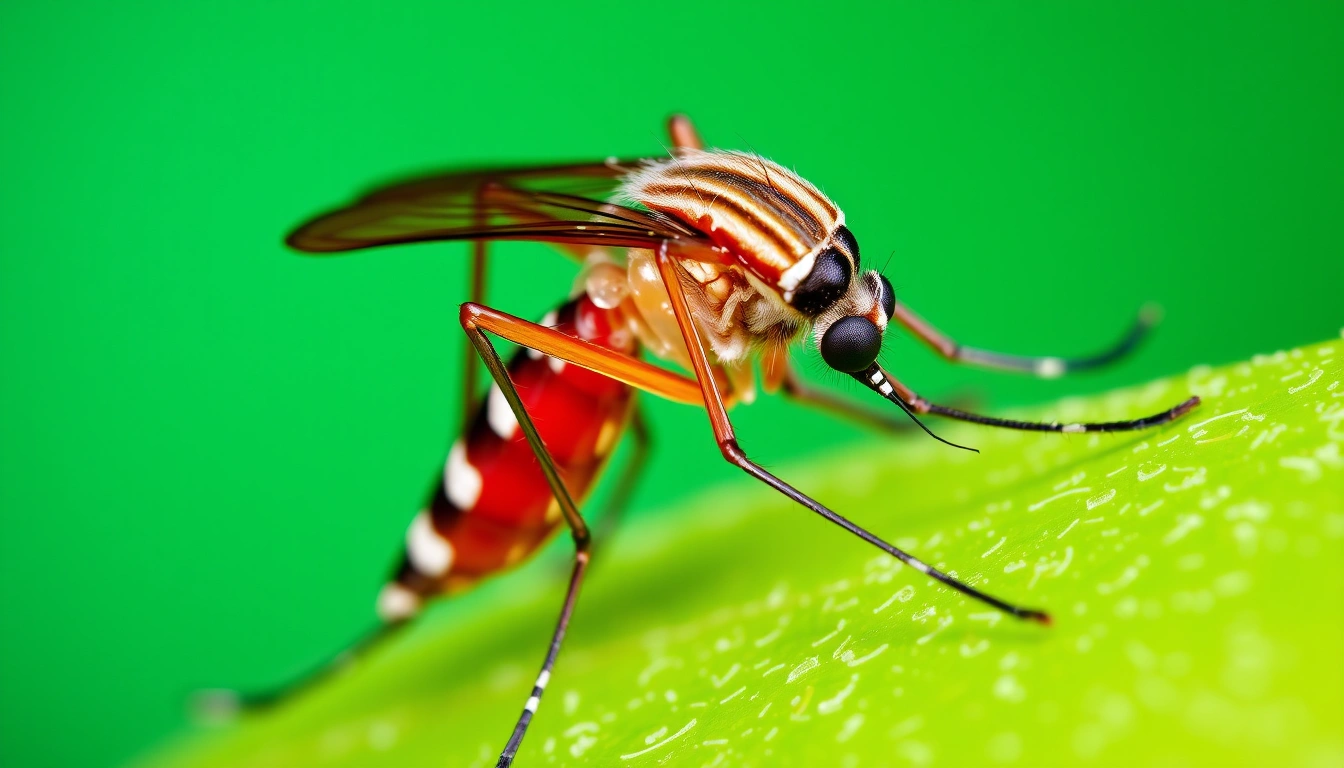
This mosquito health risks service trust — complete guide is for homeowners, renters, property managers, and caregivers who want a practical way to reduce mosquito bites and judge whether a mosquito service deserves trust. You probably already know the basics. Mosquitoes bite, some spread disease, and stagnant water matters. But what people usually miss is where the danger starts, which fixes actually change it, and how to tell whether a company is selling prevention or just spraying a problem that comes back in 7 to 14 days.
Why do mosquitoes matter? Because the harm is not just itchy skin. Depending on where you live, they can spread West Nile virus, dengue, chikungunya, Zika, and malaria. Risk varies by region and season, so the first move is to check your public health department or the CDC’s mosquito-borne disease pages before assuming the problem is “just bites.” In the United States, the Centers for Disease Control and Prevention is the right starting point, and local vector-control districts often post weekly trap counts or advisories during mosquito season.
This guide is not for someone trying to treat a serious illness at home. If a bite is followed by fever, severe headache, rash, neck stiffness, confusion, trouble breathing, or yellowing of the skin or eyes, that is not a mosquito-service question; that is medical care. It is also not for people expecting one spray to protect a yard for months. Nice idea. Not real life.
I’m also clear about trust: I would treat any service that refuses to talk about breeding sites, species, retreatment intervals, and product labels as the wrong fit, and I would consult a qualified pest management professional or local public health source before moving forward. A good mosquito program may include treatment, but it starts with elimination of standing water, not with a fogger. If a service cannot explain how it fits into Integrated Pest Management, or IPM — the standard approach that combines inspection, source reduction, targeted control, and follow-up — I would not treat it as reliable, and I would check that explanation against CDC guidance and a licensed professional.
What mosquito risk actually means in a yard, apartment, or building
Mosquito risk is the chance that mosquitoes will bite people, reproduce on the property, or carry pathogens into the space where people live or work. That risk shifts with the species, the season, rainfall, shade, container clutter, gutter condition, drainage, and how long water stands. A birdbath emptied every few days is a different animal from a clogged gutter or a sump pit that never dries. The difference matters because mosquito eggs can hatch in as little as a few days when water stays still long enough.
The phrase to keep in mind is source reduction: removing or changing the places mosquitoes breed so there is less to control later. In practice, source reduction usually beats chemical treatment because it removes the life-cycle stage that creates the next generation, and CDC source-reduction guidance supports that approach. A service that skips this and goes straight to spray is often treating symptoms, not the cause, so I would consult a qualified professional before accepting that plan.
I care about this distinction because generic advice usually stops at “dump standing water.” True, but incomplete. A reader with a shaded courtyard, roof drains, irrigation overspray, a rain barrel, or a basement sump has more than one water source to check. And a renter in a multiunit building may not control the whole property, so the right move is to document the problem, notify management, and ask for specific corrections: gutter cleaning, drain repair, landscape grading, and treatment of catch basins if the property has them.
There is also a health-risk distinction that matters. Nuisance mosquitoes are an annoyance, but disease risk depends on whether the species in your area are known vectors and whether local surveillance has found infected mosquitoes, cases, or both. A yard with heavy mosquito pressure is not automatically a high disease zone, and a light mosquito problem is not automatically harmless. If your area has a known arbovirus season, I would pay more attention to dusk and dawn exposure, screened windows, and clothing coverage than to any one yard treatment. Small stuff. Big difference.
This is where service trust starts. A trustworthy provider should be able to name the failure mode — for example, a clogged gutter, a poorly draining crawlspace, a decorative pond without circulation, or a catch basin that needs larvicide — and explain why the fix belongs there. If the explanation is generic, the service is probably generic too.
Which mosquito risks are real, and which ones are exaggerated?
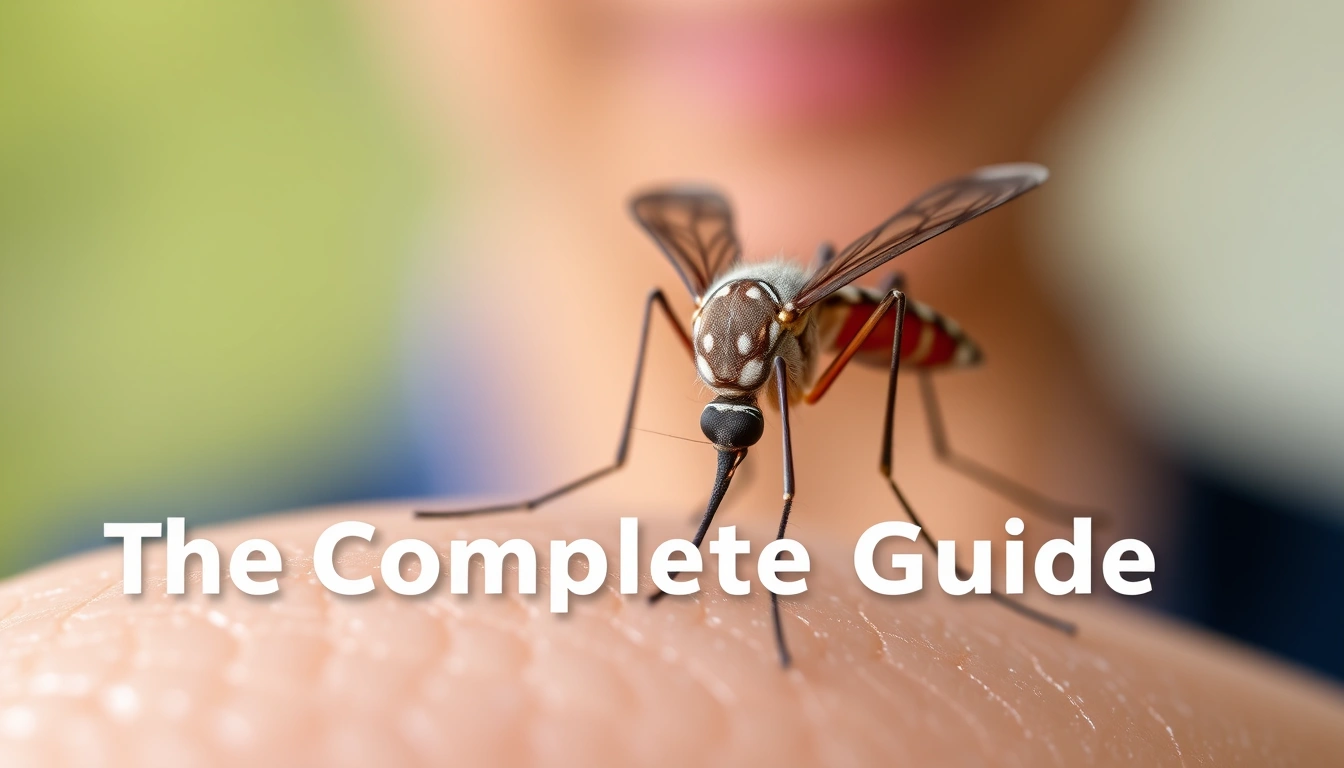
The real risks are bites, allergic skin reactions, sleep disruption, and mosquito-borne disease where local transmission exists. The exaggerated risk is the idea that every mosquito problem calls for blanket spraying of the whole property. It does not. That kind of approach can be expensive, can miss the breeding source, and can expose people, pets, pollinators, or beneficial insects to unnecessary chemicals.
A mosquito bite can cause a normal wheal-and-flare reaction, which is the raised itchy bump and surrounding redness that follows the skin’s histamine response. That is unpleasant but usually not dangerous. The larger concern is disease transmission. West Nile virus is the most common mosquito-borne disease reported in many parts of the United States, while dengue and malaria are more location-specific. The CDC and local health departments publish current guidance and surveillance data; I would use those before making assumptions from old news stories or social media panic.
One thing generic articles get wrong is pretending “mosquito season” is a single fixed window. It isn’t. In reality, the season depends on temperature, rain, and local species. In some places, storm drains and shaded urban containers stay active longer than people expect. In others, irrigation systems create year-round breeding conditions. A service trust question should therefore include whether the provider adjusts for local conditions and re-inspects after rain events, not whether they promise a one-time cure.
There is another exaggeration to watch for: claims that a yard is “100% mosquito free.” That is not a serious claim. Mosquito control aims to reduce bites and breeding pressure, not eliminate every insect within a perimeter. A service that promises total elimination is either overselling or ignoring reinfestation from neighboring properties, drainage systems, or nearby vegetation. That math stops working fast.
For trust, I would ask a simple question: does the service separate adulticiding — killing flying adult mosquitoes — from larviciding — treating immature mosquitoes in water? The distinction matters because adulticiding may lower biting pressure temporarily, while larviciding targets future adults. If a provider cannot explain both, it is leaving out a basic part of mosquito control, and I would consult a licensed professional before relying on it.
A useful rule: if the risk is mostly nuisance, focus on source reduction, screening, and targeted control. If the risk includes known local disease transmission, the threshold for urgency is higher, and I would rely more heavily on public health guidance and less on promotional promises from any one company.
How I would approach mosquito control step by step
I would start with inspection, remove water sources second, and use treatment only where the inspection shows it belongs. That sequence matters more than the brand of spray or the size of the truck.
- Walk the property at sunrise or just before dusk for 10–15 minutes. Look for containers, gutters, sump pits, tarps, plant saucers, clogged drains, birdbaths, storm-water inlets, and low spots that hold water for more than 24 hours. Verify that each item is either dry, covered, draining, or treated. Any water sitting still long enough for larvae to develop is a problem.
- Empty, flip, or drill water-holding containers the same day. Dump buckets, toys, flowerpot saucers, and unused planters; drill drain holes in containers that must stay outside; and store them upside down if possible. Verify that no standing water remains after rainfall. A container that refills and stays full for 2 or more days is the problem.
- Clean gutters and downspouts so water moves freely within 24 hours after rain. Remove leaves, seed pods, and roof grit; confirm water exits the downspout rather than pooling at seams. Watch for water backing up into a trough or dripping from a clogged elbow. That usually means the system is breeding mosquitoes out of sight.
- Fix drainage spots that hold water longer than 48 hours. Regrade soil, repair broken drain lines, aerate or circulate ponds, and address compacted areas near foundations or patios. Verify that puddles shrink quickly after a typical rain. If a depression still holds water after 2 days, it remains a breeding site and needs correction, not more spray.
- Treat unavoidable standing water with the right larvicide if source removal is impossible. Use only products labeled for mosquitoes, such as Bti (Bacillus thuringiensis israelensis), and follow the label exactly. Verify that the treatment is intended for the water type and container size. Random pesticides in water, or skipping the label directions, can create safety and legal issues.
- Reduce adult mosquito resting sites by trimming dense vegetation and opening airflow. Cut back overgrown shrubs, thin tangled groundcover near seating areas, and avoid heavy shade immediately against doors and patios. Verify that the area gets more light and air movement. Deep, still shade with high humidity gives adult mosquitoes a place to rest.
- Protect people with physical barriers and timing changes. Repair window and door screens, keep screen mesh intact, and reduce outdoor exposure at dusk and dawn when local mosquito activity is highest. Verify that screens close tightly and have no tears larger than a few millimeters. An open gap is an open invitation, plain and simple.
- Recheck after every heavy rain or weekly during active season. Inspect again within 48 hours after rain and at least once a week during the warm months. Verify whether new water has collected in the same places. Assuming last week’s cleanup still applies after weather, irrigation, or a clogged drain changed the situation is a mistake.
That is the core procedure because mosquito control is a cycle, not a single event. If a service cannot describe some version of those steps, I would question whether it is doing control or just applying a surface treatment.
One practical trade-off: Bti and similar larval tools are more targeted than broad adult sprays, but they only work where water is actually present and they do not solve the problem of neglected drainage. So the right move is often pretty unglamorous. It means gutters, containers, and inspection, not dramatic fogging.
For anyone managing a larger property, a service should also document which sites were found, which were treated, and what follow-up interval is planned. In mosquito control, a written log matters. A simple map of recurring hotspots matters too. Without that, a provider can make the same visit every 2 weeks and still never fix the source.
What should a mosquito service tell me before I trust it?
A trustworthy mosquito service should tell you exactly what it found, what it will do, what it will not do, and when it expects to return. That is the difference between a control plan and a sales pitch.
I would expect four things in the conversation. First, the company should ask about standing water, recent rainfall, drainage, and complaint areas, not just property size. Second, it should identify whether it is targeting adults, larvae, or both. Third, it should explain the product class and the application site. Fourth, it should describe retreatment timing in plain language. If a service says “monthly protection” but cannot explain what changes after a storm or where mosquitoes are breeding, the trust problem is obvious.
I also look for honest limits. A good provider should say that neighboring properties, storm drains, tidal areas, wetlands, or unresolved drainage problems can keep reinfesting the site. That is not an excuse; it is reality. Mosquitoes fly in from outside the property line. A service that implies it can seal off a yard like a laboratory is not being straight with you.
Here is the short list I would ask before agreeing to anything:
– What species or breeding sites are you seeing?
– Are you using source reduction, larvicide, adulticiding, or all three?
– What product label governs the application?
– How long before the next inspection, and what triggers an earlier return?
– What should I change on my property so the treatment lasts longer?
If the answers are vague, I would not trust the service. If the answers are specific but dismissive of your own role in removing water and maintaining screens, I would still be cautious. Mosquito control depends on shared responsibility, but the company should be able to name its part clearly.
One useful standard is whether the service can explain Integrated Pest Management in under a minute without hiding behind jargon. IPM means inspection, source reduction, targeted treatment, monitoring, and follow-up. That framework is what separates a competent operator from a company that only knows how to spray. For a high-stakes topic like this, that distinction is not academic. It is the service trust test.
When should I stop relying on a standard mosquito plan?
I would stop relying on a standard plan when the mosquito problem is tied to health symptoms, persistent standing water you cannot control, or a site where the usual tools do not address the source. At that point, the right next step is not more of the same.
Fever, severe headache, rash, or confusion after mosquito exposure: This may signal a mosquito-borne illness — seek medical care promptly and mention recent bites or travel.
Standing water inside a shared drain, catch basin, or stormwater system: This is a site-control problem, not a household cleanup issue — contact property management, public works, or a vector-control district.
Water that returns within 24–48 hours after cleanup: The drainage system is failing — fix grading, gutters, downspouts, or pumps instead of repeating the same treatment.
A pond, cistern, rain barrel, or decorative water feature you cannot empty: This is an unavoidable breeding site — use the label-approved control for that water body or get qualified help.
Infants, pregnant people, immunocompromised people, or anyone with severe bite reactions in the home: The exposure standard should be stricter — prioritize screens, repellents approved for the age group, and professional guidance for local risk.
Repeated mosquitoes indoors despite outdoor treatment: The entry point may be screens, door gaps, attic vents, or a plumbing or foundation opening — inspect the structure rather than re-spraying the yard.
The consequence of ignoring these situations is not just annoyance. It is continued exposure, wasted money, and, in some regions, missed disease risk. A good service should know when its own standard approach stops working. If it does not, that is a trust failure.
This is also where I would draw a line against overconfidence. I would not use a standard retail approach for a property with wetlands adjacency, flooded soil, or municipal storm drains feeding the site. Those settings need more than a canister and a promise. They need site-specific control and, often, local authority involvement.
The mistakes people actually make with mosquito control
The most common mistake is treating adults and ignoring larvae. That lowers bites for a day or two, then the next generation emerges from the water source. The consequence is repeated expense and no real progress. The better move is to locate and treat the breeding site first, then handle adults if needed.
A second mistake is spraying the wrong places. People often fog lawns and shrub tops while the real problem sits in a gutter, downspout, or catch basin. The consequence is chemical use without source control. The better move is a property walk that starts where water sits, not where mosquitoes happen to fly.
A third mistake is trusting a service that promises a 30-day or “all season” answer without discussing weather, rain, or neighboring properties. The consequence is false confidence and the feeling that the treatment “failed” when the real problem was unrealistic expectations. The better move is to ask how often the site will be checked after rain and what the service counts as a retreatment trigger.
A fourth mistake is ignoring screens and entry points because the yard was treated. The consequence is indoor bites, which often feel like the service failed even when the yard improved. The better move is to repair screens, close gaps, and manage indoor entry with the same seriousness as outdoor breeding sites.
A fifth mistake is using random products in standing water. The consequence can be ineffective control, label violations, or exposure risk around children, pets, and wildlife. The better move is to use only products specifically labeled for mosquito larval control and to follow the label, which is the legal and practical instruction set.
A sixth mistake is assuming one property can solve a neighborhood mosquito problem alone. The consequence is frustration when mosquitoes reappear from adjacent lots, drains, or vegetation corridors. The better move is to coordinate with neighbors, landlords, HOAs, or local vector control where possible.
This is where trust and health risk meet. A service earns trust by naming those mistakes before selling a treatment. A poor one lets the customer discover them the hard way, usually after another rainy week and another bill.
How do I judge service trust without becoming an expert in pest control?
I judge service trust by checking whether the company behaves like a diagnostician or like a sprayer. That means I want specifics, evidence, and follow-up, not slogans.
A trustworthy mosquito provider should be able to state the target pest, the site conditions, the proposed control method, and the review schedule. I would consider it a positive sign if the provider talks about inspection notes, drain issues, vegetation, larval habitat, and the need for reinspection after rain. I would consider it a warning if the provider jumps straight to “package pricing,” “guaranteed elimination,” or “spray and pray.”

Related Posts
Signs You Need Professional Mosquito Control Instead of DIY
What Mosquitoes Can Do to Humans and Pets