Do Citronella, Traps, and Yard Sprays Really Help Reduce Mosquitoes?
Last updated: September 10, 2026
Key Takeaways
- Yard sprays are meant to knock down adult mosquitoes on contact or by leaving a residual deposit on foliage.
- It is also non-sticky and easy to switch off when you’re finished.
- The weakness is just as plain: outdoors, the effect is limited, because air movement scatters the scent.
- The downside is persistence and selectivity.
Quick Answer: Yes, but only in different ways. For do citronella, traps, and yard sprays really help reduce mosquitoes?, the usual ranking is trap for ongoing reduction, yard spray for short-term suppression, and citronella for the smallest, most local effect. CDC and EPA guidance still puts standing-water cleanup first.
Do citronella, traps, and yard sprays really help reduce mosquitoes? Only a little unless you match the tool to the problem. Want fewer bites? Treat this like a control job, not a fragrance job: clear out standing water first, then decide whether you need a trap for monitoring and knockdown or a spray for short-term suppression. For yard sprays, consult a licensed pest professional if you have pets, edible plantings, or a large property, and follow the product label and EPA mosquito guidance.
I write about mosquito control and pest-management choices with an eye toward what actually changes bite rates, not what sounds reassuring. The real question is not “Which product is best?” It is “Which option gives me the most reduction for my yard, my budget, and my tolerance for chemicals or upkeep?” For do citronella, traps, and yard sprays really help reduce mosquitoes?, that usually means comparing coverage, cost, and how many days of relief you get per treatment. Honestly, that trade-off matters more than the packaging.
What actually drives mosquito numbers in a yard?
Source reduction wins first. Everything else comes after.
If you skip breeding-site cleanup, citronella, traps, and sprays all end up working harder for a smaller payoff. That math stops working fast.
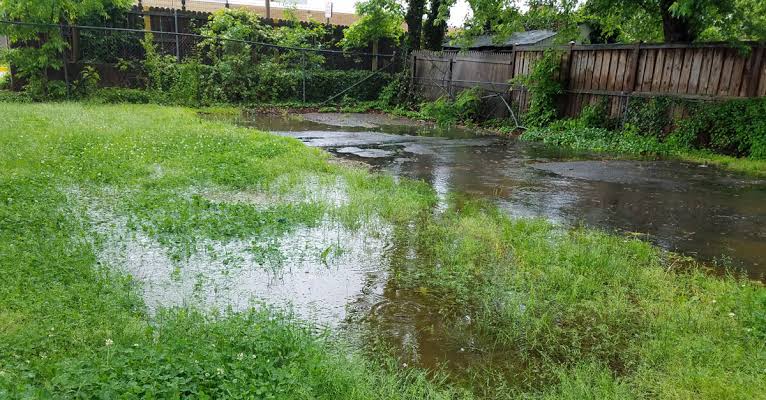
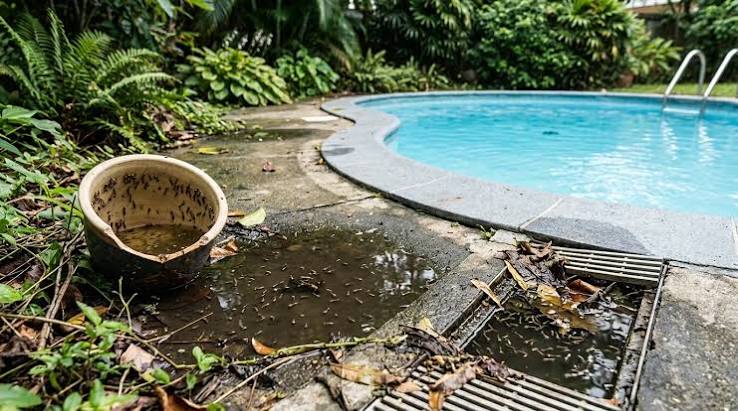
Mosquitoes need water to breed, and many common backyard containers can produce them: saucers under pots, clogged gutters, birdbaths, tarps, wheelbarrows, kids’ toys, and low spots that hold water for more than a few days. That is why public-health guidance from the CDC and local mosquito-control districts usually starts with drainage and container cleanup, not with a consumer product. The Environmental Protection Agency’s mosquito guidance also points readers toward source reduction and larval control before adult spraying. In warm weather, a single neglected container can produce mosquitoes in about 7 to 10 days.
That matters because the three options in your question act at different points in the mosquito life cycle:
- Citronella mostly masks human scent and may create a short-lived repellent cloud close to the source.
- Traps try to lure and capture adults, sometimes with light, heat, CO₂, or attractant cartridges.
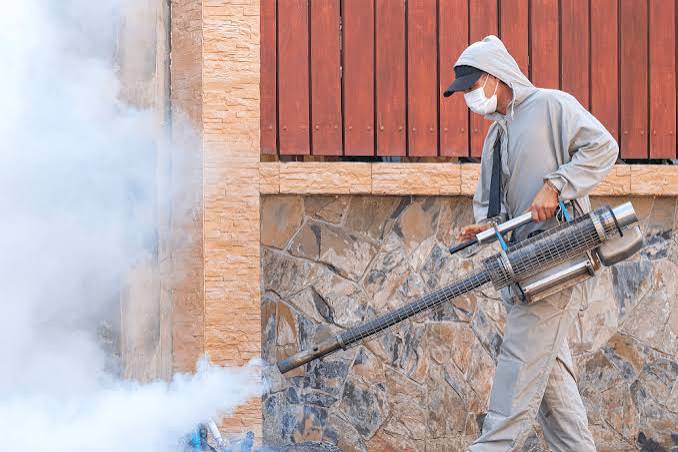
- Yard sprays aim to knock down adult mosquitoes on contact or by residual deposit on foliage.
They are not interchangeable. A product can be “good” and still be the wrong tool if the real problem is larvae in a clogged drain or a neighbor’s neglected container. Want the biggest reduction per hour of effort? Start with elimination of standing water, then use a trap or targeted spray only if mosquitoes are still active in a defined area. For do citronella, traps, and yard sprays really help reduce mosquitoes?, the answer depends on whether the source is nearby or still breeding.
Does citronella really keep mosquitoes away?
Citronella can help for very close-range relief, but I would not count on it to protect a whole patio or yard.
The honest strength of citronella is simple: it is easy, low-commitment, and it may reduce bites in a small zone right around a candle, torch, or diffuser for a short time. That makes it appealing for a dinner table, a brief porch sit, or a situation where the mosquitoes are light and you want a mild extra barrier. It is also non-sticky and easy to turn off when you are done. For do citronella, traps, and yard sprays really help reduce mosquitoes?, citronella is the least powerful choice but also the easiest to try. Tiny upside. Small cost.
The weakness is equally simple: the effect is limited, especially outdoors where air movement disperses the scent. A candle that smells strong to you does not necessarily create a mosquito-free bubble around a whole seating area. In still air, close range may improve. In a breezy yard or near shrubs, the benefit usually drops fast. I would not choose citronella if the goal is to reclaim a yard with frequent bites, nor would I rely on it for children playing outside for an hour or more.
The reader who should actually use citronella is the person who wants a modest, low-effort aid for a small social space and understands that it is an accessory, not a solution. A 10- to 12-foot patio table is the kind of setting where citronella can feel helpful. A half-acre yard or a mosquito-heavy evening after rain is not that setting.
One more trade-off: citronella products can create a false sense of control. If you stop there, you may ignore the real breeding source. The result is disappointment, not protection. If you want real reduction, citronella belongs last on the list, after cleanup and perhaps after a better physical control method.
Do mosquito traps work better than sprays?
Traps are the better choice when you want ongoing reduction in a defined area and you are willing to maintain the device.
A good trap can do real work because it removes adults, and some models are designed to target species that respond to CO₂, heat, or attractant blends. That makes traps more than a gimmick, especially in yards where mosquitoes rest in shaded vegetation and adults are present day after day. Traps also have a built-in advantage over sprays: they keep working without coating the yard in insecticide every few days. Consumer traps can range from about $40 to $300, with propane units often costing more up front.
But traps only win when the setup matches the mosquito problem. Many consumer traps promise broad control when what they really provide is localized capture. A trap can reduce pressure near a deck, entryway, or seating area, yet still leave mosquitoes active at the far edge of the property. If the unit depends on replacement cartridges, propane, or electricity, the upkeep becomes part of the purchase decision. A trap that sits too close to people can even compete with you as a lure source in some conditions. For do citronella, traps, and yard sprays really help reduce mosquitoes?, trap placement matters as much as the device. Placement is half the battle.
The reader who should choose a trap is the one dealing with repeated mosquito pressure in a defined outdoor zone and who will keep it running for weeks, not days. I would also favor traps when the yard is too large or too plant-heavy for spot spraying to be satisfying, or when the user wants a non-sprayer option. If you are unsure, consult a local mosquito-control professional about the species and the placement.
The reader who should skip traps is the one expecting instant elimination. That expectation creates buyer’s remorse. Traps are gradual tools. They work best as part of a plan, not as a one-click fix.
Are yard sprays worth it for mosquitoes?
Yard sprays can be worth it for short-term suppression, but I would treat them as the most situational option of the three. If you are considering whether do citronella, traps, and yard sprays really help reduce mosquitoes?, sprays are the fastest but most temporary answer.
Their main advantage is immediacy. If mosquitoes are active around shrubs, under decks, or along shady borders, a proper yard treatment can reduce adults quickly in the treated area. That is useful before an outdoor event, after a heavy rain, or during a brief surge when you need the bite pressure down now. Some homeowners also prefer sprays because the effect is visible in the sense that the yard feels calmer right after treatment. For a same-day event, that can matter more than long-run economics.
The downside is persistence and selectivity. A spray is not a permanent fix, and many over-the-counter products do not solve the underlying breeding problem. You may also end up treating more area than you need, which adds exposure, cost, and cleanup. If your yard has active standing water, a spray can suppress adults for a while while the next generation is already developing elsewhere. That is why many professional mosquito programs pair adult treatment with larval control rather than using spray alone. EPA guidance recommends targeting larvae in standing water when possible, and a licensed professional can help you decide whether that is appropriate.
A yard spray is the right fit for someone who has a specific time window, a clearly defined outdoor area, and a willingness to follow label directions exactly. It is not the best answer for people with pets, pollinator gardens, edible landscaping, or a desire for a low-input, long-term fix. I would also skip it if your main goal is to stop mosquitoes from breeding; spray is not a substitute for removing water or treating larvae.
The most honest way to think about yard spray is this: it is a tactical tool, not a strategic one. It can buy you a better evening. It does not redesign the mosquito population in your yard.
The honest side-by-side
Citronella is the weakest tool, traps are the best middle-ground tool, and yard sprays are the best short-term knockdown tool. If you are asking whether do citronella, traps, and yard sprays really help reduce mosquitoes?, the best answer is that each one helps in a different situation.
| Criteria | Citronella | Traps | Winner for [condition] |
|---|---|---|---|
| Best use | Small seating area or patio table | Ongoing reduction in a defined outdoor zone | Trap, when you want repeated control |
| Speed of relief | Fast but narrow | Slower, cumulative | Citronella, for a short evening |
| Coverage | Very limited, often close-range only | Localized but broader than citronella | Trap, for a yard segment |
| Upkeep | Low | Moderate to high, depending on power, attractants, or cartridges | Citronella, for minimal effort |
| Works after setup without daily attention | No | Yes, if maintained | Trap |
| Best for breeding control | No | Not directly | Neither; cleanup and larval control win |
| Short-term event prep | Sometimes | Sometimes, but not instant | Yard spray, for same-day suppression |
| Risk of disappointment | High if used as primary control | Moderate if expectations are realistic | Trap |
| Best fit for chemical-minimizing buyers | Yes, if the effect is enough | Yes, depending on the model | Trap, when you want non-spray control |
My position is straightforward: if you are choosing one tool for ongoing yard control, I would pick a trap over citronella and over routine yard spraying. If you need a one-night boost, a spray wins. If you want the least hassle and only mild help, citronella is the weakest but simplest choice. Studies from public-health agencies consistently place source reduction ahead of adult control for lasting results.
Choose the right option for the way you actually use your yard
Choose citronella if you only need light help around a small table for a few hours and you do not want a bigger setup. Choose a trap if mosquitoes are a recurring problem in one area of your yard and you will maintain it for weeks. Choose yard spray if you need a quick reduction before an event or after a rain and you accept that it is temporary. Neither if you still have standing water you have not removed. For do citronella, traps, and yard sprays really help reduce mosquitoes?, the best choice is usually the one that fits your use pattern.
That is the clean decision tree. A lot of people buy the wrong tool because they start with the product, not the problem. If the problem is “I want fewer bites during dinner,” citronella may be enough. If the problem is “I cannot use my patio without getting swarmed every week,” a trap is the better bet. If the problem is “I have guests coming tonight,” spray is the emergency answer. For a broad yard, though, consult a mosquito-control professional before spending on recurring sprays.
I would also say this plainly: none of these beats fixing breeding sites. A single neglected bucket can undo a lot of product spending. If you have a gutter full of debris, a birdbath that never gets emptied, or a tarp pocketing water, those are the first purchases to make zero dollars by eliminating them.
When does the answer flip?
The overall verdict flips in four real situations, and these are the ones generic advice usually misses.
-
You have a tiny space with brief use. On a 6- to 8-foot balcony or a compact bistro set, citronella can be enough if mosquito pressure is low. The reduced area makes its weakness less obvious.
-
You need same-day control for a gathering. A yard spray becomes the better call when guests are arriving in hours, not weeks. Traps are too slow for that job.
-
You are dealing with a heavily vegetated lot. In dense shade, under hedges, or around outbuildings, a trap often makes more sense than trying to spray the whole area every time the mosquitoes surge.
-
You are near sensitive plantings or want to avoid routine spraying. In that case, a trap or source reduction is usually the cleaner path, even if it takes longer to show results.
The common thread is timing and scale. Short use favors citronella or spray. Repeated use favors traps. No product can compensate for breeding water.
What I would buy first if I were choosing today
I would start with source cleanup, then choose a trap if mosquitoes are a recurring problem, and reserve yard sprays for targeted, temporary knockdown.
That order is the most defensible because it matches how mosquitoes behave. Cleanup hits the supply line. Traps reduce adult pressure over time. Sprays are the emergency brake. Citronella is a small courtesy to yourself, not a primary defense. If you are still deciding how do citronella, traps, and yard sprays really help reduce mosquitoes?, think in terms of timeline: minutes for citronella, days to weeks for traps, and one evening for spray.
If you want a single-sentence recommendation: for most yards, traps are the most useful of these three, yard sprays are the most situational, and citronella is the least effective but easiest to live with. The EPA and CDC both support that basic hierarchy in their mosquito-control guidance.
FAQs
Do citronella candles really work?
Yes, but only modestly and usually only close to the flame. They are most useful for small, calm seating areas, not for broad yard control.
Are mosquito traps better than sprays?
Yes for ongoing control in one area, no for immediate relief. Sprays act faster; traps are better when you want repeated reduction without frequent chemical treatment.
Should I spray my yard if I already have a trap?
Sometimes, but only as a short-term add-on. If the mosquito source is breeding water, neither one solves the root problem.
What should I do before buying anything?
Remove standing water, clean gutters, empty containers, and check for larval habitats. That step usually matters more than the product choice.
Is there a public-health source I should trust more than marketing claims?
Yes. I would start with the CDC’s mosquito guidance and the EPA’s recommendations on mosquito control.