How Mosquito Inspection and Yard Assessment Works
Last updated: September 10, 2026
Key Takeaways
- Problem sign: puddles that remain for 24 hours or repeat in the same depression.
- Recheck after 24 to 48 hours.
- The first pass is visual and usually takes 10 to 20 minutes for a small yard, longer for a lot with outbuildings or dense landscaping.
- The correct alternative is a second check after 24 to 48 hours and again after the next wet weather.
Mosquito inspection is a yard-by-yard search for standing water, shade, shelter, and breeding spots. The real question usually is not “Do I have mosquitoes?” It is “Where are they coming from, and what in my yard keeps them going?” If the problem is severe, if anyone in the home has a medical vulnerability, or if repeated bites are happening around a child’s play area, talk with a qualified pest or public-health professional before you lean on DIY alone. The CDC and local mosquito-control agencies both push source reduction and local guidance.
Who this applies to, and what the inspection is trying to find
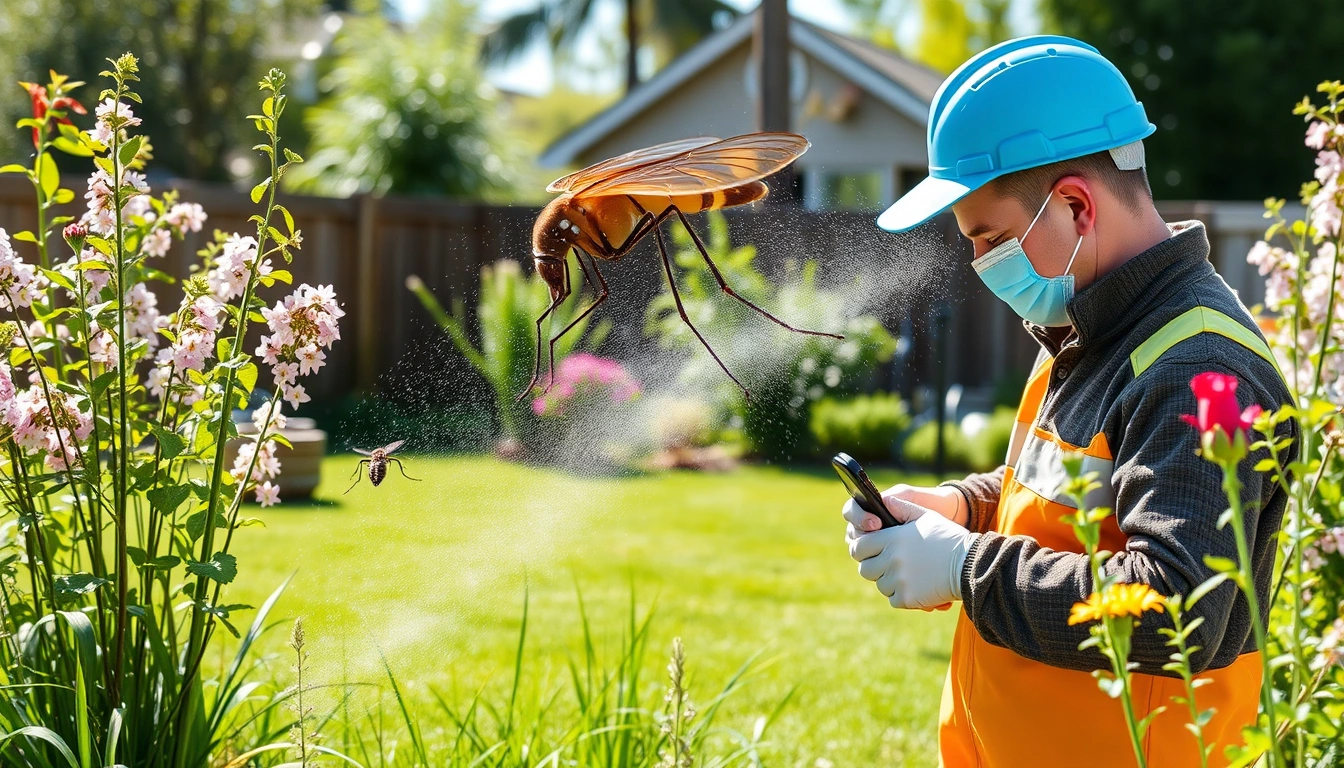
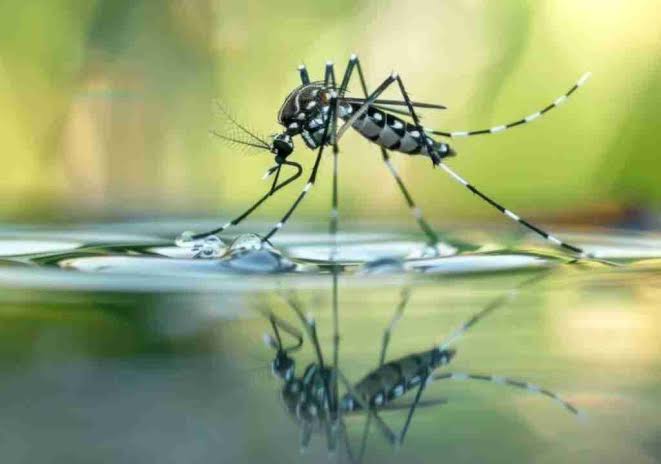
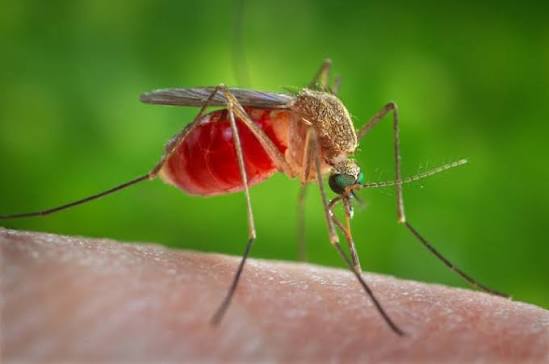
A mosquito inspection is for anyone who wants to understand why mosquitoes keep showing up around a home, rental, garden, patio, or shared outdoor space. It assumes you can walk the property, look into containers and low spots, and identify obvious water-holding objects such as buckets, clogged drains, plant saucers, tarps, and old tires. It also assumes the reader knows the basic life cycle: eggs, larvae, pupae, and adults. A “larval site” is any place where immature mosquitoes can develop in water.
The goal is not to count every mosquito in the neighborhood. It is to find the conditions that let them breed or rest on your property, then rank those conditions by how easy they are to fix. One hidden water source can matter more than ten adults flying through at dusk. Simple, but annoying.
I would not treat inspection as a substitute for medical or environmental advice when bites are accompanied by fever, large skin reactions, or concern about disease exposure. If symptoms or exposure history raise concern, consult a qualified clinician or local health department. This is a yard assessment, not a diagnosis. On the public-health side, agencies such as the CDC and many local mosquito-control districts recommend source reduction first, because removing water is the part a homeowner can actually verify. The exact steps vary by region and by species, so local guidance matters.
PubMed and other public-health literature indicate that mosquito-related studies in humans are relatively limited compared with the size of the problem, so practical yard guidance often relies on field methods, surveillance, and review literature rather than a single definitive experiment. On 2026-09-10, that sample included a small number of meta-analyses and systematic reviews from PubMed (NCBI), which is a sign that the evidence base is fairly narrow and often practical rather than deeply experimental.
What I look for first in a mosquito yard assessment
Water comes first. Then shade. Then shelter. Mosquitoes need all three in different ways. Standing water is the obvious one, but it is not the only one. Adult mosquitoes also rest in dense shrubs, under decks, in ivy, beside sheds, and in cool corners where wind does not move much. A yard can look dry and still support mosquitoes if it traps water in small places after rain or irrigation.
The first pass is visual and usually takes 10 to 20 minutes for a small yard, longer for a lot with outbuildings or dense landscaping. I would check every container that can hold even a thin film of water: 1-gallon watering cans, 5-gallon buckets, kiddie pools, wheelbarrows, birdbaths, drain pans, pet bowls, and toys. Mosquitoes do not need a pond. They need water that sits long enough for eggs to hatch and larvae to mature.
Drainage points matter too: downspouts, French drains, storm grates, roof gutters, pool covers, AC condensate lines, and low spots where water lingers after irrigation or rain. The term “catch basin” refers to a drainage collection point; if it holds water for days, it can become a breeding site. In many yards, clogged gutters and shaded tarps are more important than the obvious puddle in the lawn.
A generic article often skips microhabitats, and that is the mistake that makes inspections feel useless. The hard part is noticing 1-inch-deep pockets, folded plastic, and plant saucers that refill after every watering. If the yard has a lot of leaf litter or thick groundcover, I would inspect those edges too, because some species rest close to the ground in humid cover rather than out in open sun.
How do you inspect for mosquitoes step by step?
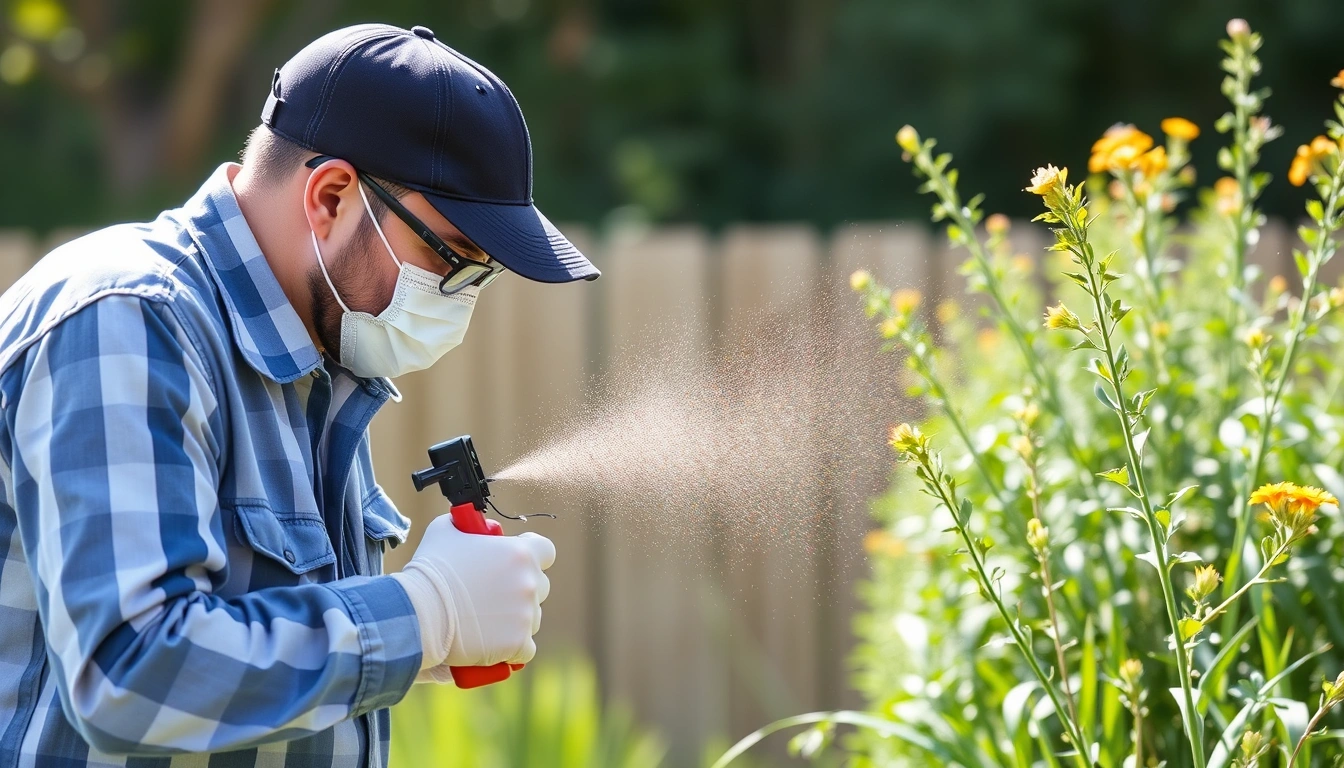
Inspect for mosquitoes by tracing every place water can collect, every place adults can hide, and every place drainage fails, then documenting what stays wet after 24 to 48 hours. Here is the procedure I would use in a standard residential yard:
- Walk the perimeter in daylight and note every water-holding object within 30 feet of the house. Check buckets, toys, tarps, wheelbarrows, containers, and low spots. Problem sign: anything that holds water after rain or irrigation. Verify: whether each item is empty, tipped, covered, or draining.
- Open and inspect gutters, downspouts, and roof edges. Look for leaves, shingle grit, or sagging sections. A gutter should shed water, not keep a 1/2-inch pool. Problem sign: standing water, overflow marks, or a downspout that empties onto the foundation. Verify: water moves to the downspout and exits freely.
- Check all drain pans, plant saucers, and pet-water areas. Empty and scrub them if needed. Problem sign: a surface that refills daily or gathers algae. Verify: no stagnant water remains more than a few hours.
- Inspect shaded, sheltered zones. Look under decks, beside sheds, behind air conditioners, in hedges, and around stacked materials. Problem sign: dense cover with no airflow and leaf litter that stays wet. Verify: whether these areas stay damp, still, and protected from wind.
- Examine lawn edges, depressions, and irrigation overspray. Walk the yard after watering or after a storm if possible. Problem sign: puddles that remain for 24 hours or repeat in the same depression. Verify: water should soak in or run off within a reasonable time, not pool in the same low spot.
- Look into any container that cannot be emptied immediately. Rain barrels, cisterns, decorative ponds, and sump-related areas need screens, covers, or maintenance. Problem sign: open water with debris, larvae, or a broken cover. Verify: access is sealed or water is moving as intended.
- Use a flashlight for hidden water. Peer into drain openings, tree holes, fence-post caps, and folded covers. Problem sign: trapped water below the rim or inside a cavity. Verify: the bottom is dry or actively draining.
- Recheck after 24 to 48 hours. The point is not a one-time snapshot; it is whether a site stays wet long enough to matter. Problem sign: water persists, which suggests a drainage or maintenance problem rather than a one-off spill. Verify: the same spots have dried or been corrected.
The details are what separate inspection from guesswork. If you can identify the exact source, the fix is usually straightforward. If you cannot find it, the next step is not random spraying; it is a slower look at drainage, hidden containers, and surrounding properties. That pattern also fits what public-health and surveillance guidance tends to show over time, since mosquito-related outcomes are often tracked across repeated checks rather than solved in a single visit.
What counts as a problem, and what does not?
A mosquito problem is usually not every mosquito you see at dusk. It is repeated biting, visible breeding sites, or conditions that can support breeding even when adults are not obvious. One adult in a yard does not prove a source on the property. A cluster of larvae in a birdbath does.
I pay attention to three things: persistence, shelter, and proximity. Persistence means water stays in place long enough to support development. Shelter means adults can rest during the day in cool, humid cover. Proximity means the source is close enough to where people sit, play, or sleep. A neglected rain barrel 10 feet from a patio matters more than a distant ditch if the first is next to the chair where people get bitten.
The hard truth is that some yards are inherently more favorable to mosquitoes because of shade, dense planting, poor grading, or nearby wetlands. That does not mean nothing can be done. It means the inspection should prioritize what is changeable. I would focus first on containers, gutters, and drainage corrections. I would put less weight on trying to make a mature, heavily shaded landscape behave like an open gravel lot. Wrong tool, wrong fight.
This is also where the evidence base matters. Public-health literature suggests that practical mosquito control guidance often comes from field observations, surveillance, and review articles rather than a large number of randomized trials. Plainly said, local conditions still matter.
When should I stop and get qualified help?
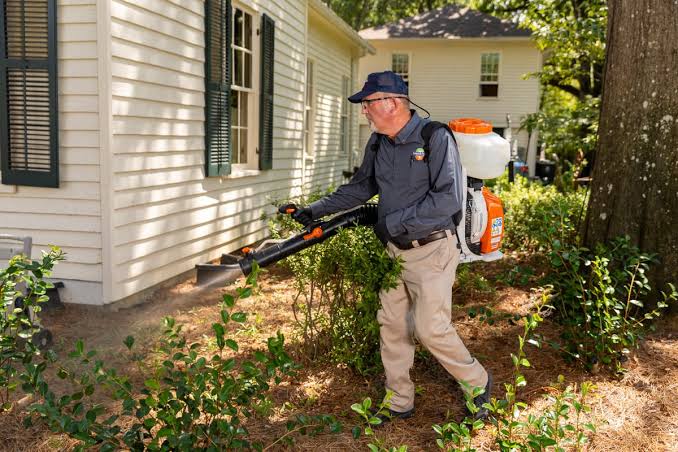
Stop a DIY inspection when the situation involves risk, repeated failure, or a water source you cannot safely access. Mosquito work looks simple until the source is inside drainage, sewage-adjacent water, rooftop equipment, or a shared property line.
Standing water in a catch basin or storm drain: This may be below-grade and hard to access safely — contact local mosquito control or a qualified pest professional rather than trying to open it yourself.
Water near electrical equipment: AC condensate, sump equipment, or flooded utility areas can combine water and power — do not keep poking around; shut down the area if needed and call a professional service.
Repeated larvae after you empty visible containers: This suggests a hidden source or a drainage issue — move from surface cleanup to a full assessment of gutters, downspouts, grading, and nearby sites.
Shared drainage, shared fence lines, or apartment courtyards: The source may not be yours alone — involve the property manager, HOA, landlord, or local mosquito-control office so the fix has authority.
Bites are paired with fever, rash, swelling, or unusual illness: This is no longer a yard question — speak to a qualified medical professional promptly about symptoms and exposure history.
You cannot get within a reasonable distance of the source safely: Examples include steep embankments, deep water, or slippery crawl spaces — do not improvise access; use trained help.
This is the point where a generic “just dump the water” article fails people. Some sources are too hidden, too large, or too risky for a homeowner to manage without help. And in shared housing, the real issue may be cooperation, not inspection skill. A professional can sometimes document the source in one visit using a larval dipper, flashlight, or property survey; the homeowner often cannot.
Common mistakes that make inspections fail
The most common mistake is checking only the obvious water. That misses gutters, drain pans, and shaded pockets under plants. The result is a false sense of progress, followed by another week of bites. Better: do a complete perimeter walk, then a second pass at eye level and knee level.
A second mistake is treating all standing water the same. A puddle that dries by noon after a rainstorm is not the same as a container that stays full for days. The consequence is wasted effort on harmless wet spots and no action on the sites that matter. I would rank sources by how long they hold water, not by how ugly they look.
A third mistake is ignoring adults that hide in vegetation. Dense shrubs, ivy, and stacked materials do not breed mosquitoes by themselves, but they do give adults cover. That matters when people sit nearby at evening hours. The fix is pruning, spacing, and airflow, not more pesticide by default.
A fourth mistake is cleaning once and assuming the problem is solved. Mosquito conditions change after every rain, irrigation cycle, and refill. The consequence is recurrence. The correct alternative is a second check after 24 to 48 hours and again after the next wet weather.
A fifth mistake is overreacting to a single mosquito and skipping inspection entirely. That is how people end up treating a symptom instead of the source. One mosquito can fly in from elsewhere. A pattern of mosquitoes around the same patio or doorway suggests a local condition worth finding.
A sixth mistake is forgetting that local species differ. Some mosquitoes prefer containers, some prefer marshy edges, and some can develop in surprisingly small water collections. A homeowner in one region may need to focus on different sites than someone in another. Local health departments and mosquito-control districts often publish species-specific guidance, which is more useful than a one-size-fits-all checklist.
What changes in edge cases?
The standard approach needs modification when the yard has unusual water sources, unusual layout, or unusual use patterns. In these cases, the inspection is still about water and shelter, but the details change.
If you have a rain barrel or cistern, the question is not whether it holds water — it does — but whether it is sealed, screened, and maintained so insects cannot access it. If the cover is loose or the screen is damaged, the problem is access, not the barrel itself. A decorative pond is similar: moving water, filtration, or aeration can change the risk profile, but a stagnant edge still deserves inspection.
If the property has heavy drainage features, the key issue is whether water moves away from the home or sits in low points long enough to become a source. Gutters, downspouts, splash blocks, and grading all affect that. A yard with good roof drainage can still have mosquito pressure if downspouts discharge into a soggy bed or if the gutter system backs up during rain. In that case, the fix is often mechanical rather than chemical: clean the gutters, extend the downspouts, and correct the slope.
Where landscaping is dense, the inspection should include both the ground layer and the canopy layer. Airflow matters. Light matters. If a planted area stays damp and still, it can become a resting zone even when no standing water is visible. That is one reason trimming and spacing belong in mosquito inspection rather than in some separate maintenance bucket.
A final edge case is shared property. Apartment courtyards, HOA common areas, and attached-row housing can hide the real source one boundary line away. The homeowner still benefits from documenting the site, but the solution may require a manager, landlord, or local district to act.