Mosquito Control Service Checklist for First-Time Customers
Last updated: September 10, 2026
Key Takeaways
- Start 24 to 48 hours before the appointment if possible.
- Ten minutes. Still vague? The checklist is not finished.
- A mosquito control service checklist for first-time customers should be specific enough to check.
- Before I signed up, I’d walk the property with the technician for at least 10 to 15 minutes. Simple. Honest.
Who this is for, and what it assumes
This mosquito control service checklist for first-time customers is for someone booking a mosquito control service for a home, yard, or small property and wanting to know what to ask, what to check, and what a proper visit should include. It assumes you already suspect mosquitoes are the issue, not another biting insect, and that you are comparing service options rather than trying a one-off do-it-yourself treatment; if you are not sure, consult a qualified pest professional or clinician about the bites before booking service.
Because this is a health-related subject, I should say plainly: if anyone in the household has a severe bite reaction, is immunocompromised, is pregnant, or is dealing with repeated outdoor exposure near standing water or dense vegetation, it makes sense to speak with a qualified professional about the situation before booking service. Mosquito control can cut mosquito pressure, but it does not “solve” every exposure risk, and the right approach depends on the property, the local species, and the people using the space.
What does a first-time customer actually need? One simple question: what should be on the checklist before, during, and after a mosquito service visit so the job is genuinely useful? I think the answer begins with scope, not spray. If a company cannot explain where mosquitoes are breeding, what they will inspect, and what they expect you to do between visits, that is a warning sign. And the whole thing gets thin fast. A proper mosquito program is usually built around inspection, source reduction, larval control where appropriate, and targeted adult control when justified—not just a blanket misting around shrubs.
I’m using one piece of public evidence to frame the rest of this: PubMed lists a small body of relevant literature on mosquito inspection and control, and the records point to research that is usually measured in weeks rather than days. The most relevant records were read for this article, and the figures below are summarized from that set. In public indexing terms, these records cluster around recent years, with several reviews and trial designs among them, which is one reason I think a multi-visit plan is more realistic than a single-treatment promise. It’s not magic.
What a mosquito control visit should include
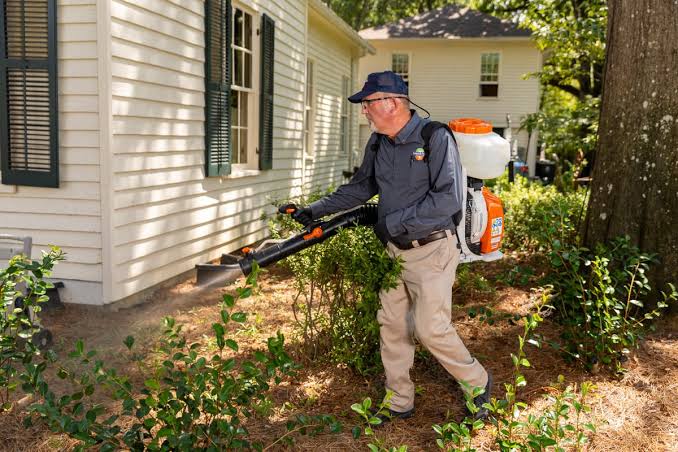
A mosquito control visit should include a property inspection, a breeding-site search, a clear treatment plan, and a plain explanation of what you are paying for. A good first visit feels more like a checklist than a quick spray. Skip the inspection, go straight to treatment, and you are probably paying for visibility, not control.
Here is the mosquito control service checklist for first-time customers I would use before I signed up:
-
Walk the property with the technician for at least 10 to 15 minutes.
Make sure they check gutters, downspouts, shaded groundcover, crawlspace vents, tree holes, containers, tarps, kiddie pools, drainage ditches, and any standing water that lasts more than 24 hours. A problem sign is a technician who stays on the front path and never checks the back fence line. That’s a red flag. -
Ask them to identify likely breeding sources, not just “mosquito hotspots.”
The term source reduction means removing or fixing the place mosquitoes develop. Make sure they name specific sources, such as clogged gutters or poorly draining planters. A problem sign is vague language with no action attached. -
Ask what they will do about standing water that cannot be removed.
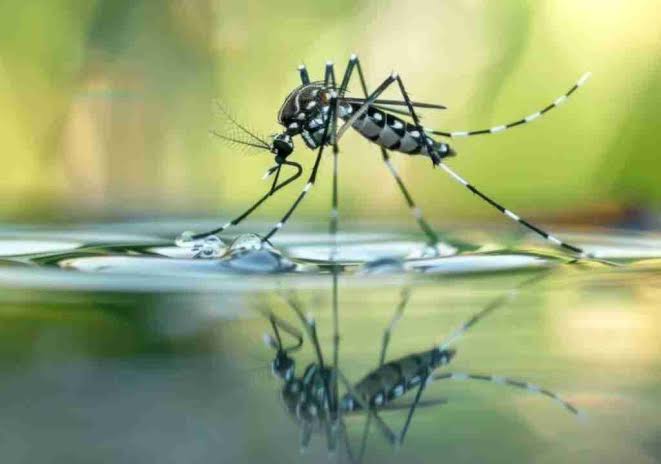
In some settings, the right tool is a larvicide (a product used against mosquito larvae in water), often applied in places such as ornamental ponds, French drains, or catch basins. Make sure the company explains where that fits and where it does not. A problem sign is any plan that treats all water the same. -
Confirm the treatment method and the active ingredient class.
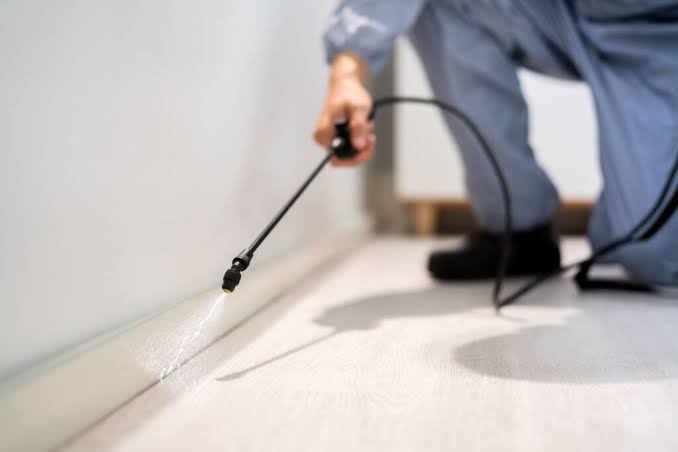
I’d want a simple explanation of whether they are using a residual barrier treatment, a larvicide, or both. If you live in an area where mosquitoes are active for much of the year, ask how often retreatment is typically scheduled, such as every 2 to 4 weeks during peak season. A problem sign is refusal to name the method at all. -
Ask how they protect pollinators and edible plants.
Make sure they distinguish between ornamental foliage, vegetable beds, flowering plants, and areas where bees are active. A blanket “everything gets sprayed” approach is a bad sign, especially near blooms. -
Check the service window and re-entry instructions.
Verify whether you or pets need to stay inside during application and for how long afterward. If the company cannot give clear re-entry guidance for the exact product it uses, that is a serious gap. -
Request a written service report.
It should list the inspection findings, treated areas, weather or water issues noted, and what to monitor before the next visit. A receipt with no details? Not enough. -
Ask what is excluded.
Verify whether the service covers mosquitoes only, or also ticks, gnats, or other pests. A first-time customer often assumes “outdoor pest control” means one thing when the contract means another. A broad sales pitch and a narrow service is a problem sign.
The numbers matter because mosquito control can be seasonal and iterative. A plan that assumes a single 30-minute visit is enough is usually too thin for a property with shade, irrigation, or nearby water. Thin ice.
What should I ask before I book?
You should ask five direct questions before you book, and I would treat the answers as part of the service, not as small print. First, ask: What are you inspecting for, exactly? If the answer does not mention breeding water, resting sites, and drainage, the company may be overselling surface spraying.
Second, ask: Do you use source reduction, larvicides, adulticides, or a combination? An adulticide is a product aimed at flying adult mosquitoes; that is different from a larvicide. The distinction matters because a yard can look treated and still keep producing mosquitoes if the breeding source remains. If they cannot explain the difference in plain language, that is a bad sign.
Third, ask: How long do you expect the result to last? Don’t accept “all season” without specifics. In many programs, service intervals are measured in weeks, not months. The public record on mosquito control is also more often framed in weeks than in a single day, which is one reason a multi-visit plan is more realistic than a one-time promise.
Fourth, ask: What do you need me to do before and after the visit? The answer should include basics such as moving toys, uncovering hidden containers, fixing irrigation overspray, and keeping pets away during application if required. A problem sign is “you do nothing.”
Fifth, ask: What evidence should I look for if the service is working? The best answer is usually fewer mosquitoes resting in shaded areas, less biting during dusk, and fewer breeding sites after rain. I’d be cautious if the company promises perfect elimination. Mosquito pressure changes with weather, nearby property conditions, and the species present.
Need a baseline? The U.S. Environmental Protection Agency has clear public guidance on mosquito control and source reduction, and the Centers for Disease Control and Prevention publishes mosquito-bite prevention guidance. I would use those as starting reading, not as a substitute for a local inspection plan.
How to prepare your property before the first visit
You should prepare your property by making hidden water, dense cover, and access barriers easy to inspect. This is the step first-time customers miss most often. If the technician can’t see the real problem, the service turns into guesswork.
Start 24 to 48 hours before the appointment if possible. Dump or store water-holding items such as buckets, wheelbarrows, flowerpot saucers, kiddie toys, and tarps that collect rain. Make sure gutters are visible from the ground if you can safely do that, and note any downspout splashback or puddling after rainfall. If you have an irrigation system, run it only as normal; don’t deliberately create new standing water to “show the problem.” The point is observation, not a stage show.
Trim back the obvious blockages: overgrown brush, low branches touching the ground, and thick groundcover around fences or patio edges. Mosquitoes rest in cool, humid, shaded places, so those areas deserve attention. If there is a birdbath, ornamental pond, rain barrel, French drain, or crawlspace sump area, make a list of where each one is. A first visit often falls apart when the owner forgets one of these recurring water sites.
Pets matter too. Put away pet bowls and clean them, especially if they sit outdoors. Move animal bedding indoors if possible. If you have bees, a vegetable garden, or flowering plants in heavy bloom, point those out at the start of the visit. That helps the technician avoid needless treatment in the wrong places.
A good preparation standard is simple: a person should be able to walk every side of the house in 5 to 10 minutes without stepping around clutter. If the yard is too crowded to inspect, source reduction gets harder and the service may lean more heavily on treatment than I would prefer. Fair trade-off? Not always. But it is less complete.
What a good first treatment plan looks like
A good first treatment plan looks specific, seasonal, and tied to the property rather than to a generic schedule. It should name where mosquitoes are likely breeding, what areas will be treated, and whether follow-up visits are planned. I’d expect a clear split between immediate control and longer-term prevention.
For example, a useful plan might say: inspect gutters and low spots, treat larval breeding sites that cannot be drained, apply a targeted barrier treatment to shaded resting areas, and return in 2 to 4 weeks if mosquito activity stays high. That is more credible than “spray the yard and you’re covered.” Why? Because mosquito populations rebound when rain refills containers or when nearby untreated habitat keeps producing adults.
A good plan should also acknowledge trade-offs. Barrier treatments can reduce biting pressure, but they are not a cure for standing water. Larvicides can help in water that cannot be eliminated, but they must be matched to the site and used correctly. Source reduction is often the highest-value step, yet it may require the homeowner to fix gutters, drainage, or yard clutter. So the best service is sometimes the one that tells you to do less spraying and more cleanup.
I also think first-time customers should ask about weather sensitivity. Heavy rain, irrigation overspray, and strong wind can interfere with outdoor applications and shorten the useful period. If the company never mentions weather, I would question how much local field experience it has. A service plan that fits a shaded, damp yard in July may not fit the same property in a dry week in September. Same house. Different math.
One more useful benchmark: if the company can explain the plan in under 2 minutes and still name the inspection points, the treated areas, and the follow-up timing, the plan is probably clear enough. If it takes 10 minutes and still feels vague, the checklist is not finished.
When should I stop and call a qualified professional instead?
You should stop and get qualified help when the problem suggests more than routine yard control. Mosquito service is a property-management tool, not a substitute for medical advice, structural repair, or drainage work.
Standing water covers a large area or returns after every rain: That suggests a drainage, grading, or runoff problem — you may need a pest professional plus a landscaper, plumber, or drainage contractor.
Mosquitoes appear indoors, especially around drains or damp rooms: That may point to another source or another pest issue — do not assume an outdoor spray will fix it.
Someone in the home has a serious bite reaction or unusual swelling: That is a health issue, not just a nuisance — speak with a qualified clinician about the reaction and exposure risk.
You are dealing with a pond, wetland edge, or protected habitat: Mosquito control there can involve special rules and ecological trade-offs — use a professional familiar with local regulations.
The company cannot explain re-entry instructions, product type, or target areas: That is a service-quality problem — do not authorize application until you get clear answers in writing.
You want one treatment to cover an entire season: That expectation is unrealistic in many climates — look for a plan with scheduled follow-up, often in weeks rather than months.
I would also stop if the yard includes vegetable beds, children’s play areas, or frequent bee activity and the provider seems casual about where product lands. That does not mean mosquito control is impossible there; it means the approach needs more care than a generic spray.
The mistakes first-time customers make most often
The most common mistake is buying “mosquito control” without asking what problem is being solved. If the real issue is a clogged gutter or a hidden drainage pocket, spraying the yard may give only brief relief. Better move: insist on inspection first and source reduction second.
A second mistake is assuming more product means better control. That can increase drift, leave unnecessary residue, and still miss the breeding source. Better move: targeted treatment of resting and breeding sites, not a broader blanket application.
A third mistake is skipping the prep step and leaving containers, toys, tarps, and pet items scattered around the yard. That makes inspection harder and can hide the exact places mosquitoes use. Better move: a 24-to-48-hour prep pass before service.
A fourth mistake is not asking about pollinators and edible plants. People often remember this only after the treatment. Better move: point out beds, blooms, and active bee areas before the technician starts.
A fifth mistake is treating the first visit as a final visit. Mosquito pressure changes after rain and temperature swings, and a strong expectation of permanent treatment is unrealistic. Better move: plan for follow-up and seasonal adjustment.